
This article has been reviewed according to Science X's editorial process and policies. Editors have highlighted the following attributes while ensuring the content's credibility:
Researchers at the Greenwood Genetic Center (GGC) led the discovery of an unexpected connection between inherited blindness and a gene known for causing a rare metabolic disorder.
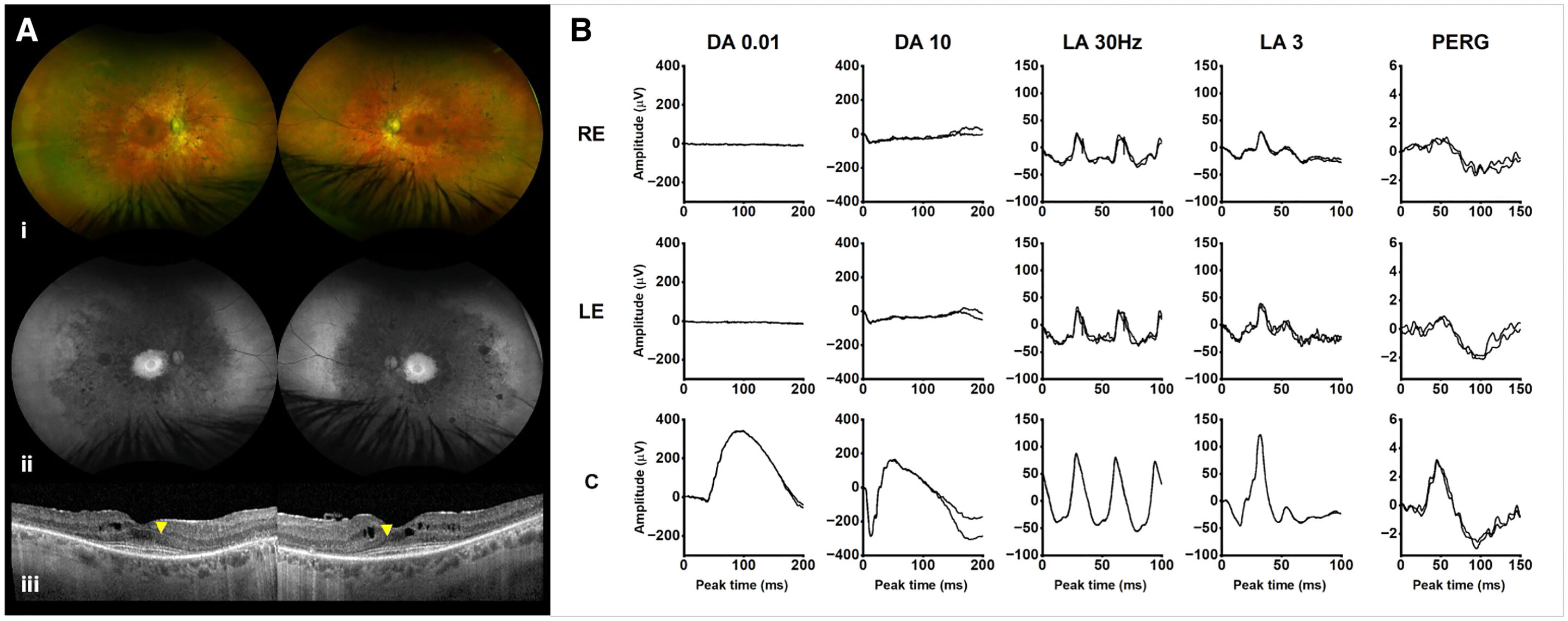
The international study, published in The American Journal of Human Genetics, examined 14 individuals from 12 families who had been diagnosed with retinitis pigmentosa (RP), an inherited eye condition that causes progressive loss of vision. Genetic testing revealed that all carried changes in both copies of the IDUA gene, which is typically associated with a rare metabolic condition called mucopolysaccharidosis type I (MPS I).
What made these cases unusual was that many of the individuals did not have the broader health problems, such as severe physical disability, heart problems and skeletal abnormalities, typically associated with MPS I, even at older ages.
"Genetic conditions do not always follow the patterns we expect," said Gavin Arno, Ph.D., associate director of research at GGC and the study's corresponding author. "Our findings show that changes in the same gene can sometimes affect the retina while leaving other parts of the body largely unaffected. This phenomenon may represent a significant cause of blindness in patients who remain undiagnosed."
GGC researchers used a unique functional platform developed at GGC to investigate how the IDUA gene changes affect the body's ability to produce a critical enzyme. Their work found that some of the genetic changes allow a very small amount of enzyme activity to remain.
Source link





