This article has been reviewed according to Science X's editorial process and policies. Editors have highlighted the following attributes while ensuring the content's credibility:
Aggressive brain tumors follow predictable rules, not chaotic randomness, according to new research. This discovery could lead to new, much-needed ways to treat glioblastoma tumors in the future.
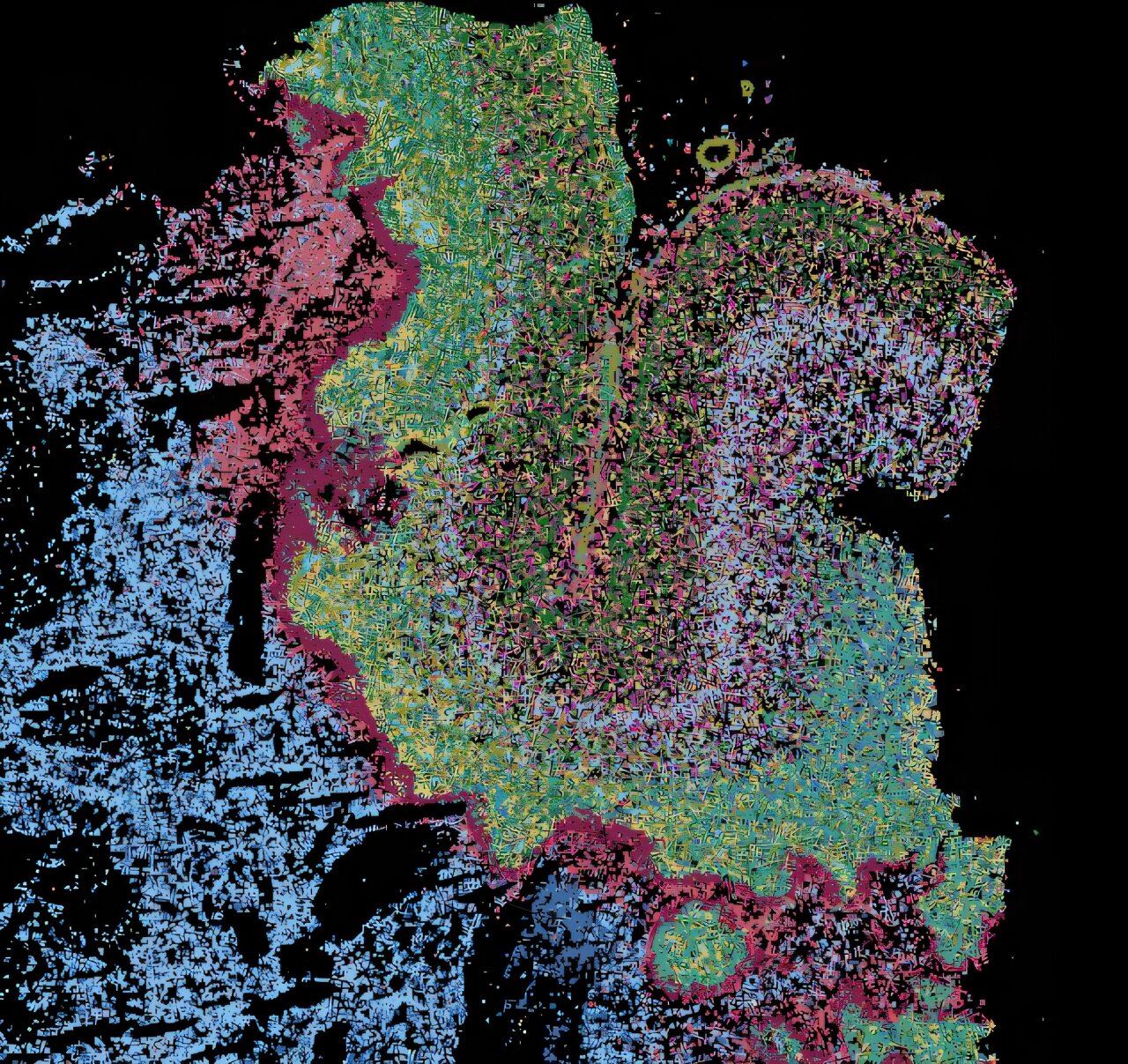
Researchers at the Wellcome Sanger Institute, the European Molecular Biology Laboratory (EMBL), the German Cancer Research Center (DKFZ), the Cancer Research UK Cambridge Institute and their collaborators have mapped over one million cells across glioblastoma tumors. This allowed them to discover that the cancer cells organize themselves according to a consistent, predictable structural pattern across different patients.
In this new study, published Nov. 4 in Nature, the team was able to categorize cancer cells at different stages of their journey within the different environments in glioblastoma tumors. They looked at different time stages and used lab-grown mini tumors to mimic this development.
Along with challenging previously held beliefs about brain tumors, this roadmap opens new paths for developing targeted treatments. As the cancer cells move along in a predictable way during tumor progression, future drugs could specifically target the early developmental-like cells before they transform into harder-to-reach, resistant states.
This work has built a new foundational resource for studies to explore the mechanisms and biology of cancerous brain cells. For example, using the same single-cell multi-omic data, researchers also decoded the gene regulators that drive and restrict glioblastoma cell state transitions , highlighting potential targets that could help avoid treatment resistance.
Source link