This article has been reviewed according to Science X's editorial process and policies. Editors have highlighted the following attributes while ensuring the content's credibility:
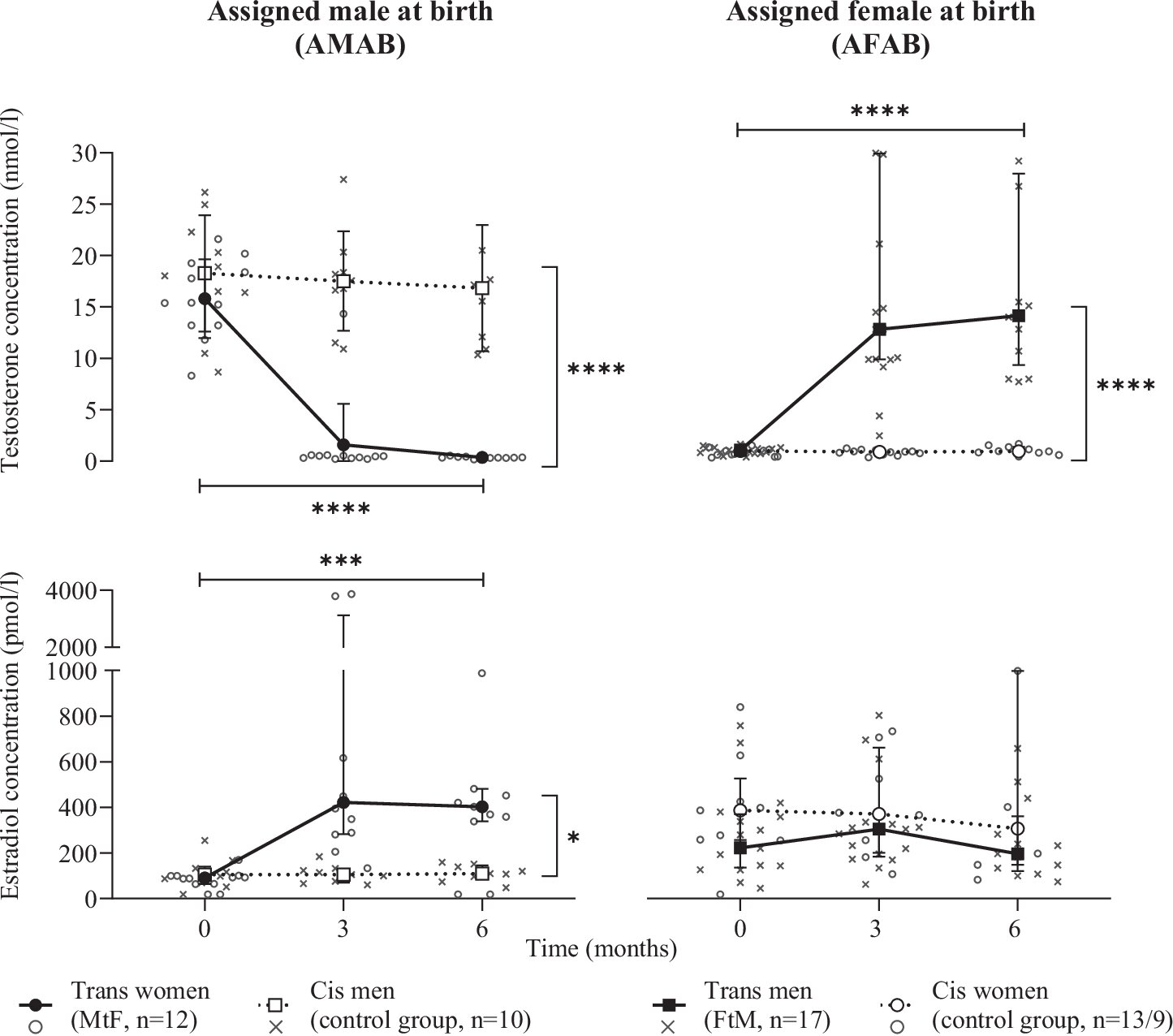
The research team at the LeiCeM Cluster of Excellence is preparing a new study. It builds on the first phase of the Hormones and Health study (HHS), in which researchers from the Helmholtz Institute for Metabolic, Obesity and Vascular Research (HI-MAG), Leipzig University and the University of Leipzig Medical Center followed trans people undergoing gender-affirming hormone therapy. The second cohort will be studied over a period of two years, with the study expected to begin in early 2027.
"We are interested in two main questions: What are the health effects of hormone therapy for trans people? And what can this teach us more generally about how estrogen and testosterone work in the human body?" says study leader PD Dr. Haiko Schlögl.
LeiCeM investigates human metabolism and the development of metabolic diseases. The HHS cohort offers a valuable opportunity for this research: participants are examined before starting hormone therapy and at several points during treatment—after three, six, 12 and 24 months. "By examining the same person before and during hormone therapy, we can track changes much more precisely than if we simply compared two different groups of people," explains Schlögl.
His team is particularly interested in how sex hormones affect body composition, especially the relative amounts of muscle and fat, as well as energy expenditure and the vascular system. The findings could have implications for the health of trans people while also helping researchers better understand the effects of sex hormones in the wider population.
Source link