
This article has been reviewed according to Science X's editorial process and policies. Editors have highlighted the following attributes while ensuring the content's credibility:
That men tend to suffer more than women when they get sick is an age-old cliché. But a growing body of research suggests that there may be some truth to it. In a new study out of McMaster University, researchers found that biological sex played a significant role in determining the severity of disease following Zika virus infection.
The findings, published in the Journal of Infectious Diseases, build on recent studies that have shown males are more likely to experience severe outcomes from viral infections, including COVID-19, influenza and West Nile.
Ali Ashkar, a professor of medicine at McMaster and principal investigator on the new study, suggests that the vastly different outcomes have less to do with the viruses or infections themselves and more to do with how we respond to them.
"It's becoming more and more accepted in the field that the outcomes of acute viral infections typically differ between males and females," he says. "The male immune system seems to respond more strongly to these infections, and as a consequence, the damage or inflammation to the site of infection is often more severe."
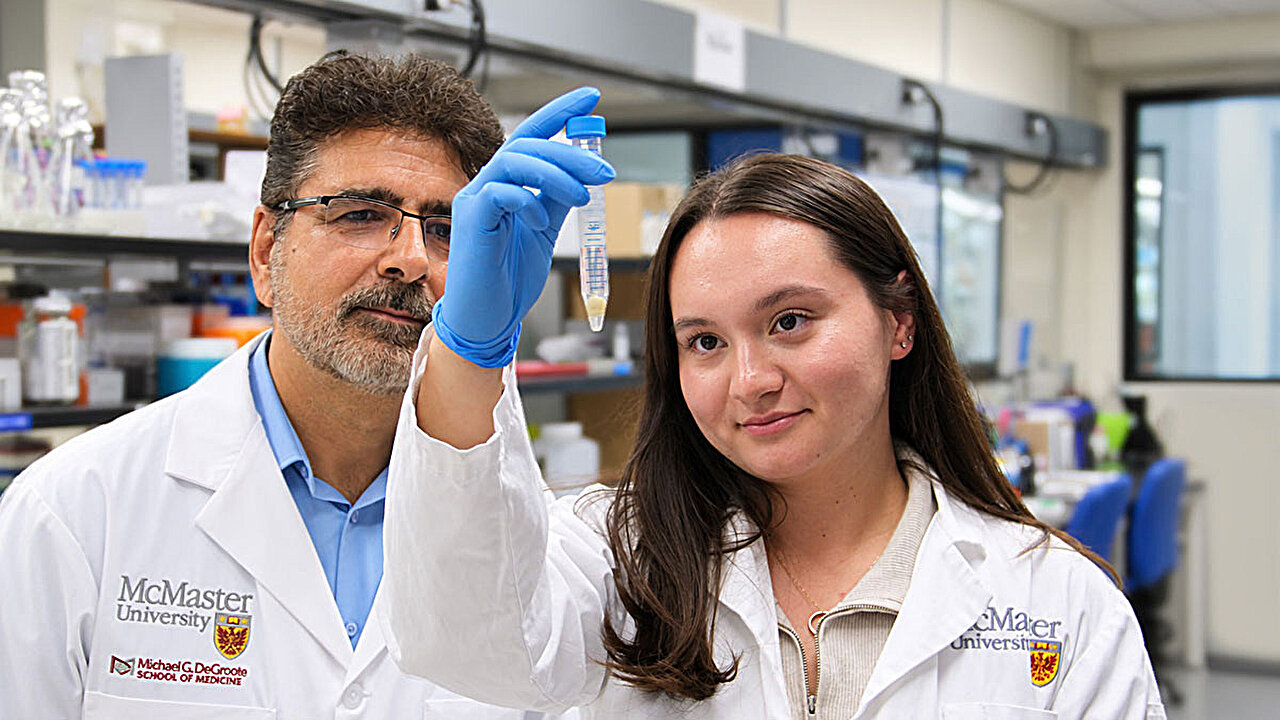
D. student Alexa Mansour, investigated biological sex as a determinant of severe Zika disease by monitoring infected male and female mice. In doing so, they found that male mice were significantly more susceptible to severe neurological complications, including weakness and paralysis, than their female counterparts were.
Source link





