
This article has been reviewed according to Science X's editorial process and policies. Editors have highlighted the following attributes while ensuring the content's credibility:
The World Health Organization declared the Bundibugyo Ebola outbreak on May 15, 2026. As of Nov. 18, there have been 11,712 cases and 5,720 deaths, nearly all in the Democratic Republic of Congo, or DRC.
Since the outbreak was declared, medical researchers have been racing to develop a vaccine that will work against this strain of Ebola, and trials are underway.
But in the absence of medical countermeasures, such as vaccines or therapeutic drugs, early detection and supportive care have been essential to reducing both the number of cases and the number of fatalities during this outbreak.
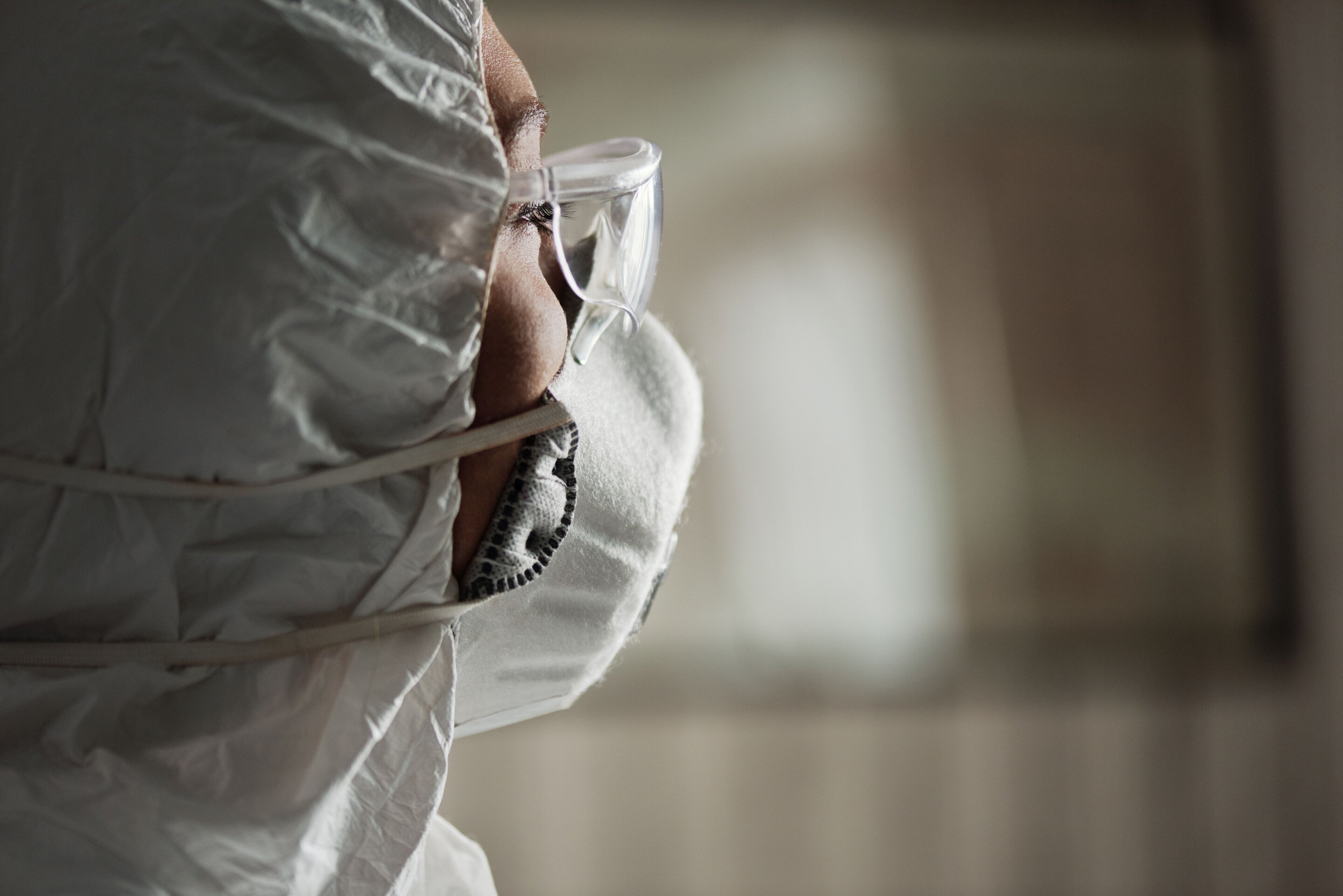
This care has required high levels of coordination and support among physicians, nurses, janitorial and environmental sanitation staff, public health practitioners, volunteers and community health workers, among others. These health workers have been asked to care for their communities at great personal cost. As of August 2026, 160 health workers had contracted Ebola, and 43 had died.
These deaths raise one of the oldest questions in bioethics: What do health workers owe patients during an outbreak?
We are an epidemiologist and a bioethicist, and we've been considering this question, alongside the question of how to keep workers safe during the current Ebola outbreak. We believe that worker protection is not an ethical add-on to outbreak control; it is a prerequisite for it.
" This rule was reiterated and strengthened in later versions of the code.
Source link





