This article has been reviewed according to Science X's editorial process and policies. Editors have highlighted the following attributes while ensuring the content's credibility:
Dravet syndrome is a rare developmental disease that causes epileptic seizures along with movement and balance disorders, intellectual disability, cognitive delay and other issues in children. Devastatingly, Dravet syndrome increases the risk of sudden unexplained death in epilepsy (SUDEP).
A mutation in the SCN1A gene accounts for around 90% of cases. Other rarer variants of the SCN1B gene can cause a particularly severe form of Dravet syndrome.
"For Dravet syndrome, there's usually a 20% rate of SUDEP, but for patients with the SCN1B c.449-2A>G variant, it was essentially 100%," said Lori Isom, professor of pharmacology, neurology, and molecular and integrative physiology.
Her team, including Shreeya Bakshi, a postdoctoral fellow, wanted to understand what made this variant so lethal. The work is published in the journal Proceedings of the National Academy of Sciences.
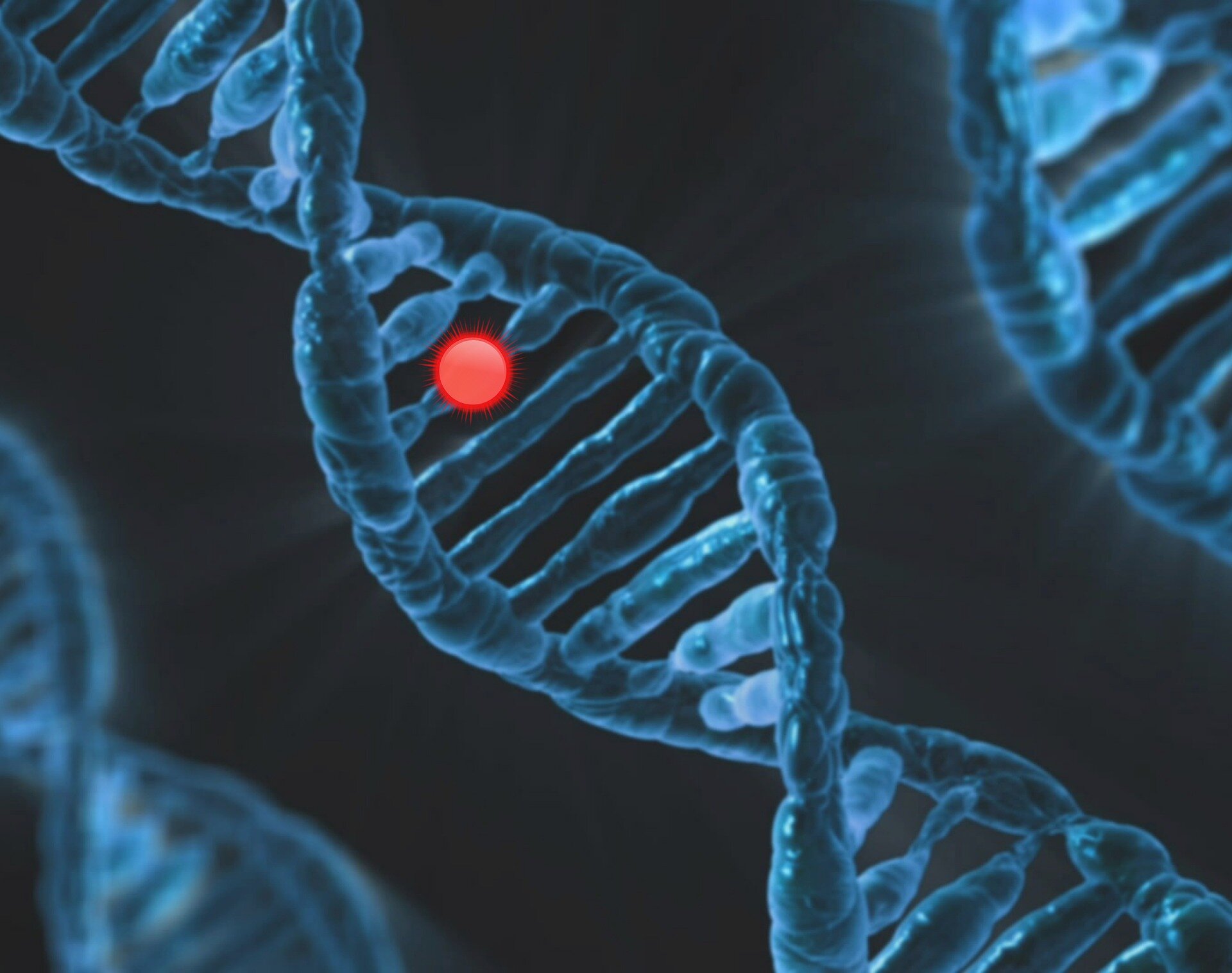
The variant in question, SCN1B c.449-2A>G, stood out because it affected an intron, said Bakshi. In the DNA to RNA to protein translation process, introns are typically cut out of RNA. Previously, scientists regarded introns as junk DNA. But the team discovered their proper removal had enormous consequences.
"Basically, what this patient variant does is affect how that intron is removed, and that's what ends up resulting in this very severe form of epilepsy," said Bakshi. Essentially, because the intron isn't removed, the gene is spliced incorrectly, and no functional protein is produced.
Source link