
This article has been reviewed according to Science X's editorial process and policies. Editors have highlighted the following attributes while ensuring the content's credibility:
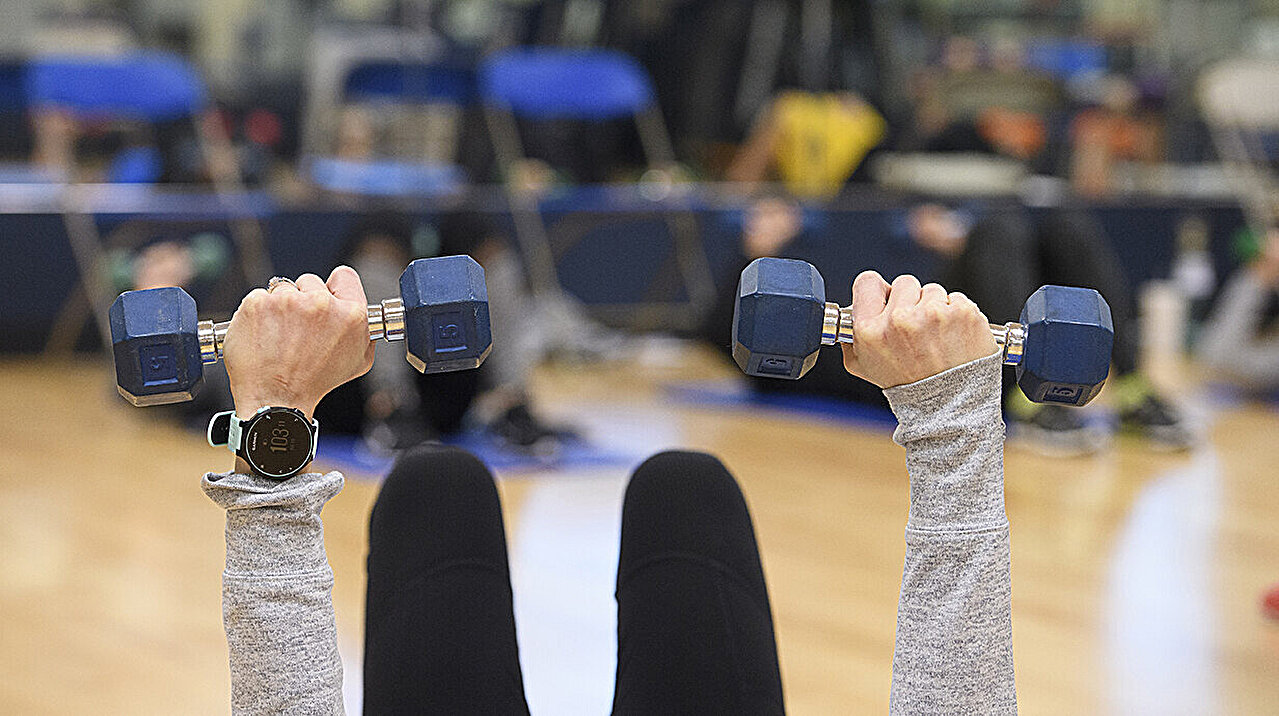
A new University of Mississippi study examined whether people who used modern fitness tools such as step counters, heart rate monitors and health apps are more likely to meet federal physical activity guidelines.
Getting the recommended amount of physical activity each week is associated with reduced chronic disease risk, but the Centers for Disease Control and Prevention reports that less than a quarter of the population is meeting the weekly physical activity target for both aerobic and muscle-strengthening activity.
A new study published in Frontiers in Physiology identified which Americans were most likely to meet those goals each week through the lens of the digital health tools they used.
"Think about two people you know: One wears a smartwatch and checks their step count every day, and the other has never owned a fitness tracker but regularly uses a patient portal to check lab results or communicate with a doctor," said Ju-Pil Choe, an Ole Miss doctoral student in sport analytics and co-author of the study. "Both are using digital health tools, but in very different ways."
The researchers wanted to learn how people use different digital health tools as part of their daily routines and whether those patterns of use were related to meeting physical activity guidelines, Choe said.
"Ultimately, our goal is to better understand health behaviors and identify opportunities to promote healthier lifestyles," he said.
Source link





