This article has been reviewed according to Science X's editorial process and policies. Editors have highlighted the following attributes while ensuring the content's credibility:
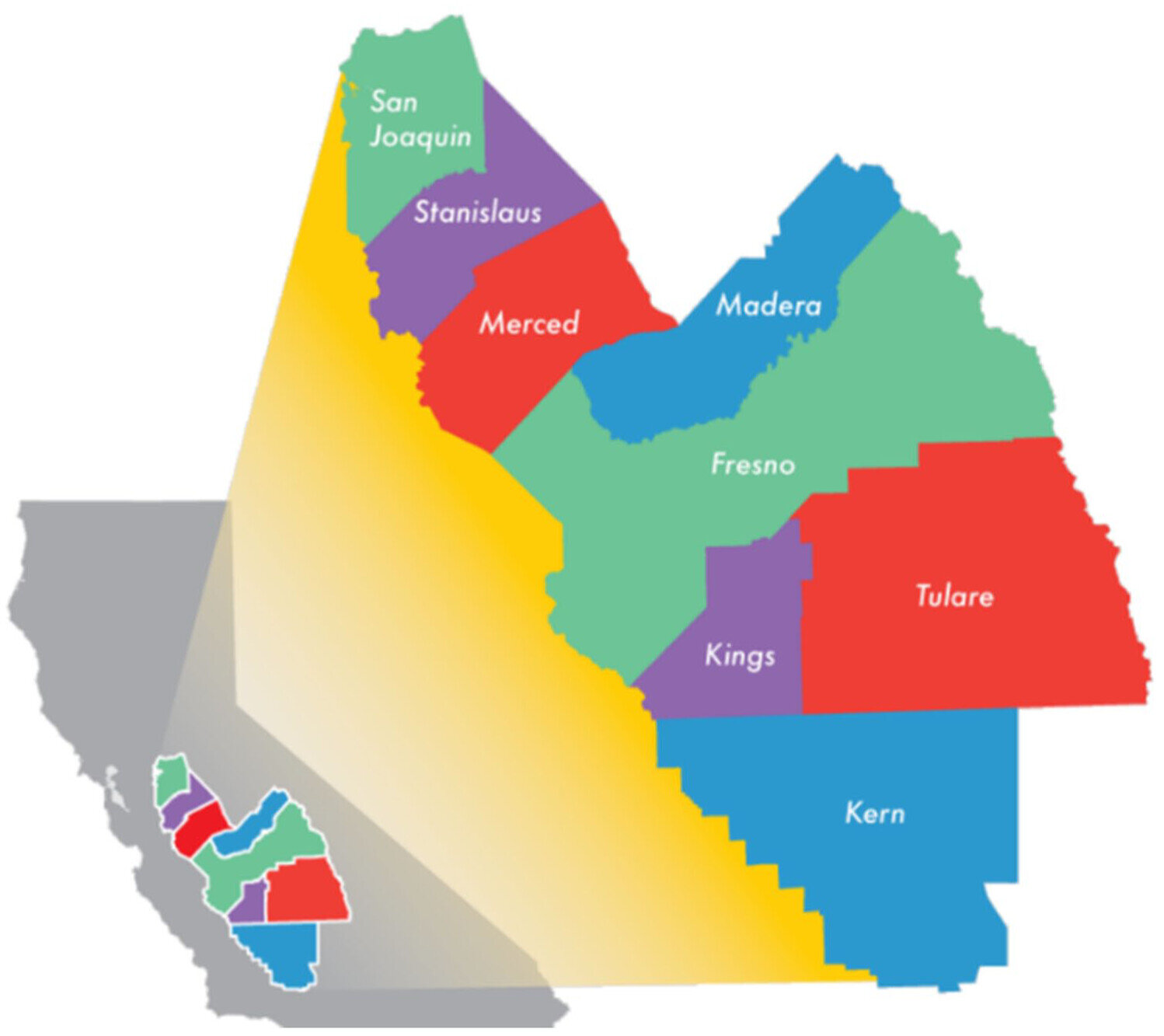
Researchers have identified a geographic cluster of prenatally detected fetal defects in California's San Joaquin Valley, according to a study published in the Journal of Diagnostic Medical Sonography.
The retrospective study examined fetal sonographic reports from maternal patients living in rural and urban communities across the region. Using a causal-comparative design, the research team assessed whether the distribution of prenatally detected defects showed meaningful geographic clustering.
The findings provide evidence of a regional cluster and establish an important foundation for the next phase of investigation: determining why the pattern exists. The study does not identify a cause or establish that any particular exposure produced the detected defects. Rather, the authors call for additional research into possible contributing factors, which could include environmental conditions and exposures involving soil, water, air or agricultural chemicals.
The project brought together advanced perinatal sonography trainees representing practices across the geographic region and a fetal echocardiography laboratory at Community Regional Medical Center. This regional collaboration enabled the team to examine reports across multiple clinical settings and compare patterns among communities.
The authors emphasize that prenatal sonography can contribute not only to individual diagnosis and care but also to population-level surveillance. Recognizing geographic patterns may help clinicians, public health leaders and researchers identify priorities for more detailed epidemiologic and environmental study.
Joy D. , Identification of Clusters of Prenatally Detected Fetal Defects in the San Joaquin Valley of California, Journal of Diagnostic Medical Sonography (2026).
Source link