This article has been reviewed according to Science X's editorial process and policies. Editors have highlighted the following attributes while ensuring the content's credibility:
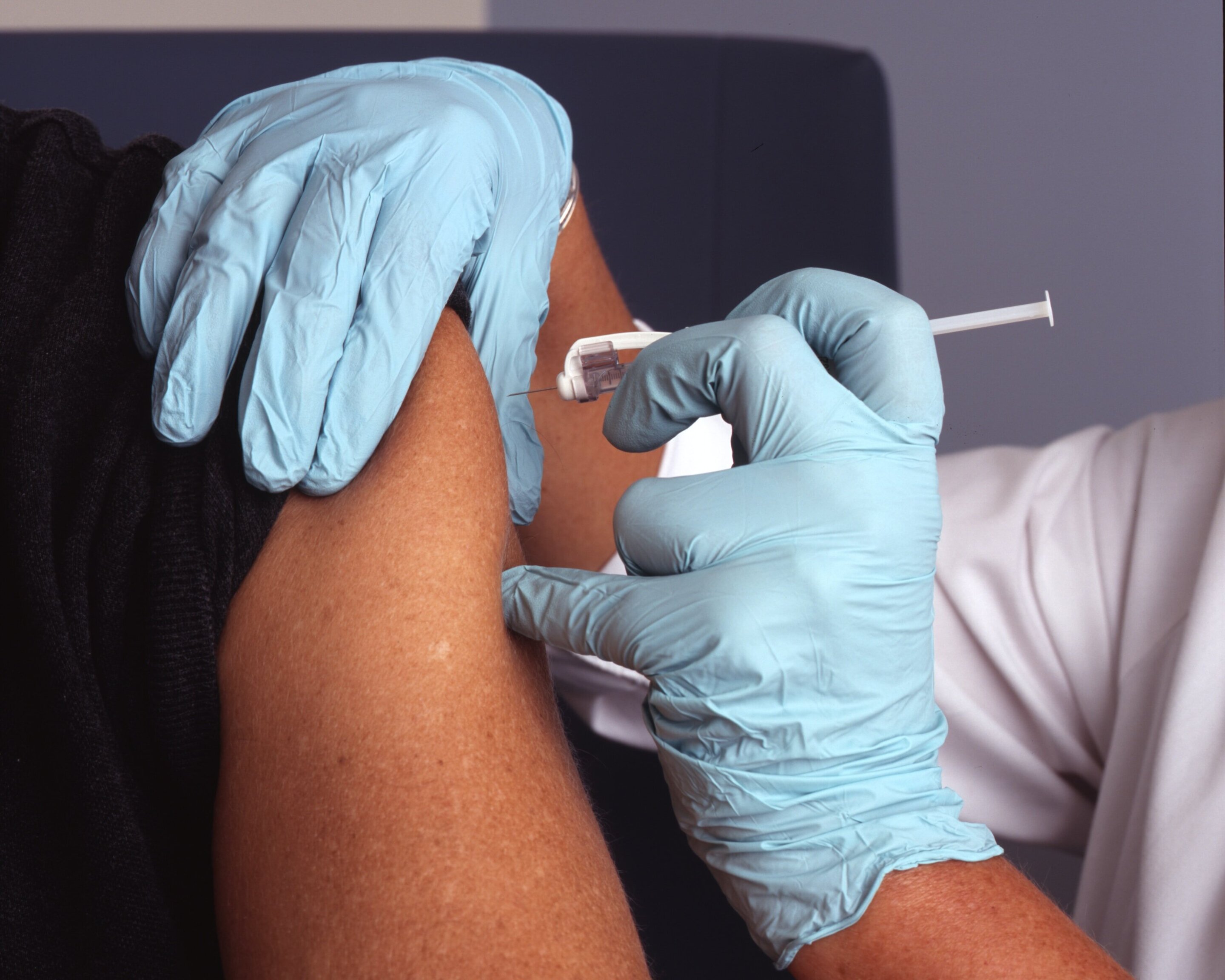
South Africa introduced a vaccination for human papillomavirus (HPV) in public schools in 2014. The program offered the vaccination to fourth-grade girls ages 9 and older. Uptake was high from the start. About 87% of eligible girls received at least one dose during the first year.
Almost all cervical cancers are caused by persistent infection with HPV, a very common virus transmitted through sexual contact. Most HPV infections clear naturally, but some high-risk types can persist and can eventually lead to cervical cancer. HPV types 16 and 18 alone are responsible for around 70% of cervical cancer cases worldwide.
Cervical cancer is one of the most preventable forms of cancer, yet it remains a major cause of illness and death among women worldwide. Each year, more than 660,000 women are diagnosed globally, and over 90% of new cases and deaths caused by cervical cancer happen in low- and middle-income countries.
The challenge is particularly acute in South Africa because HIV increases the risk of HPV infection persisting and progressing to cervical disease. Women living with HIV are much more likely to develop cervical cancer during their lifetime than women without HIV. South Africa had an estimated 7.9 million people living with HIV in mid-2025, accounting for 12.3% of the total population.
We are public health researchers dedicated to advancing prevention and treatment of sexually transmitted infections.
Source link