
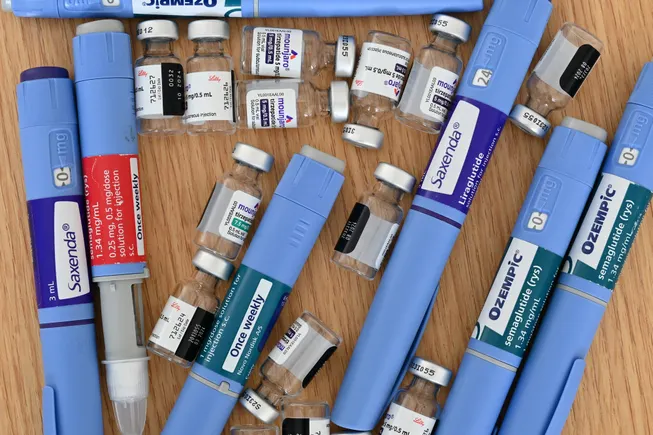
Experts have serious concerns with telehealth companies building lucrative businesses off the back of compounded weight loss drugs. The FDA is cracking down.
LAS VEGAS — Many telehealth companies have made a name off compounded GLP-1s, touting the benefits of building custom formulations from scratch. But critics are increasingly worried about safety and efficacy — and the downstream ramifications of allowing companies to peddle unregulated drugs as America’s growing interest in wellness and biohacking drives more consumers to unproven therapies.
A massive compounding industry has cropped up around GLP-1s, with companies offering to deliver the popular weight loss drugs directly to consumers’ doors for a few hundred dollars per month. That’s attracted millions of Americans, turned off by the greater than $1,000 list price for brand-name GLP-1s like Zepbound or Wegovy and unwilling to wait years until cheaper generic versions of the medications to become available.
Proponents of the model argue it increases access, drives prices down and helps patients who may need unique versions of the medication. But it comes with a significant catch: compounded drugs aren’t reviewed by the Food and Drug Administration for safety or effectiveness before they’re sold, raising concerns about preparation mistakes, contamination and other issues.
Regulators generally don’t allow pharmacies to compound — or combine and mix ingredients to create a new product — commercially available drugs like GLP-1s.
But the FDA allowed compounding pharmacies to produce the medications for a brief window starting in 2022, during a shortage of GLP-1s. Restrictions went back into effect in late 2024 and early 2025.
Source link





