This article has been reviewed according to Science X's editorial process and policies. Editors have highlighted the following attributes while ensuring the content's credibility:
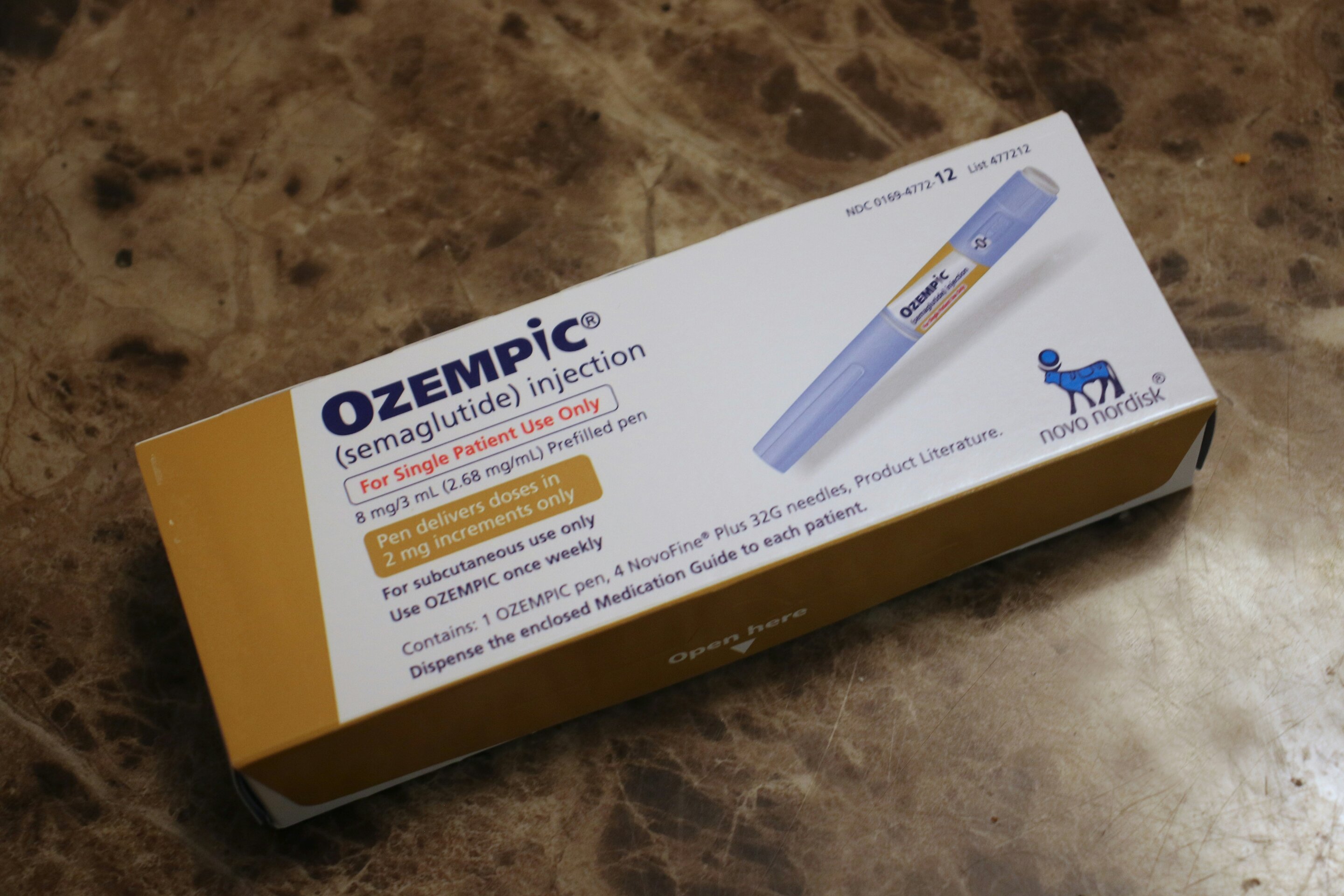
Treatment with glucagon-like peptide-1 receptor agonists (GLP-1s) was associated with lower risks of psychiatric hospitalization and psychiatric emergency department visits in people with both schizophrenia and type 2 diabetes (T2D), compared with no GLP-1 treatment or treatment with newer diabetes medications, according to new research published in The Lancet Psychiatry.
Schizophrenia is associated with an increased risk of T2D, and antipsychotic medications prescribed for schizophrenia also increase the risk of T2D. GLP-1s are an established class of diabetes medication used to treat people with T2D; however, whether GLP-1s affect the mental health of people with schizophrenia remains uncertain.
Researchers analyzed U.S. health records for more than 70,000 adults with both schizophrenia and type 2 diabetes, treated between January 2018 and October 2026. Some had been prescribed a GLP-1 (either semaglutide, liraglutide, tirzepatide or dulaglutide); others had been prescribed a newer type of diabetes medication (a DPP-4 inhibitor or an SGLT2 inhibitor); and some had not been prescribed any of these treatments.
People taking GLP-1s were 24% less likely to need psychiatric hospital admission than those not taking any of these diabetes medications, 18% less likely than those taking DPP-4 inhibitors and 17% less likely than those taking SGLT2 inhibitors. They were also less likely to need emergency department care for a mental health crisis: 29% less likely than those not on any of these diabetes medications, 13% less likely than those on DPP-4 inhibitors and 20% less likely than those on SGLT2 inhibitors.
Source link