This article has been reviewed according to Science X's editorial process and policies. Editors have highlighted the following attributes while ensuring the content's credibility:
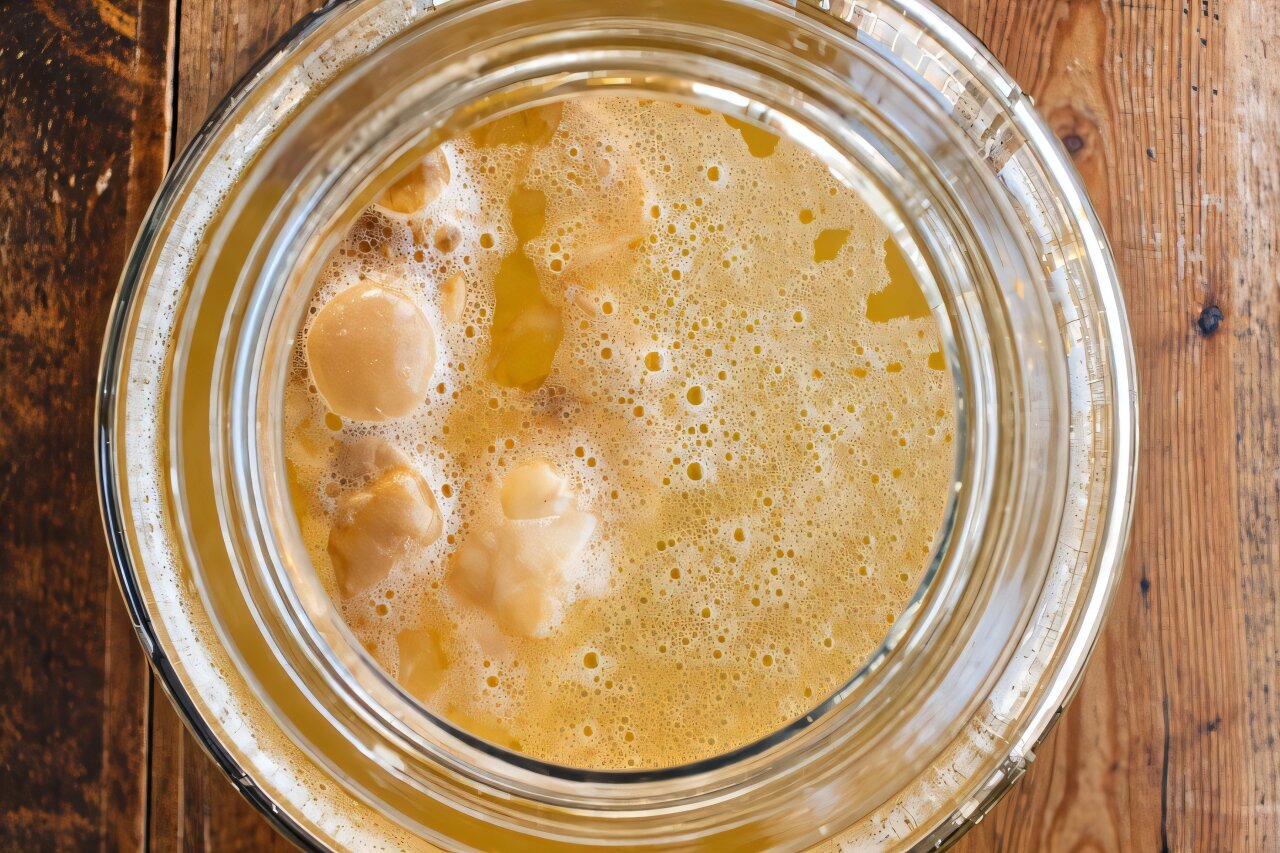
Researchers from the University of Minnesota found that drinking kombucha was associated with reduced anxiety and depressive-like behaviors in mice.
Their study, recently published in Food Bioscience, investigated whether these kombucha-induced mood benefits were also accompanied by changes in the gut biome.
The researchers conducted this experiment in mice with two different diets—one high in fat and sugar and the other lower in fat and sugar—and fed them kombucha three times a week for seven weeks. They compared these mice to a control group supplemented with water at the same frequency.
"This work shows preliminary and preclinical evidence that frequent consumption of kombucha could be associated with improvements in mental health," said lead author Noor e Huma, a graduate student in the College of Food, Agricultural and Natural Resource Sciences. "This research also shows the foods we consume should be valued in the context of mental health in addition to physical health."
Future research will be done to validate the mood benefits in mice by performing additional behavioral tests and exploring all possible ways in which the gut and the gut microbiome exchange signals with the brain when fermented foods are consumed.
"Because fermented foods such as kombucha, sauerkraut and yogurt provide a healthy dose of beneficial bacteria when consumed, studies such as this and others show that ingesting good microbes from our food system may also contribute to keeping both our physical and mental health in balance," said Andres Gomez, an associate professor in the College of Food, Agricultural and Natural Resource Sciences.
Source link