
This article has been reviewed according to Science X's editorial process and policies. Editors have highlighted the following attributes while ensuring the content's credibility:
Most nutrition science suggests that meals with the same basic nutritional profile will have the same impact on a person's blood sugar.
But is there something about food processing itself that influences how our bodies respond?
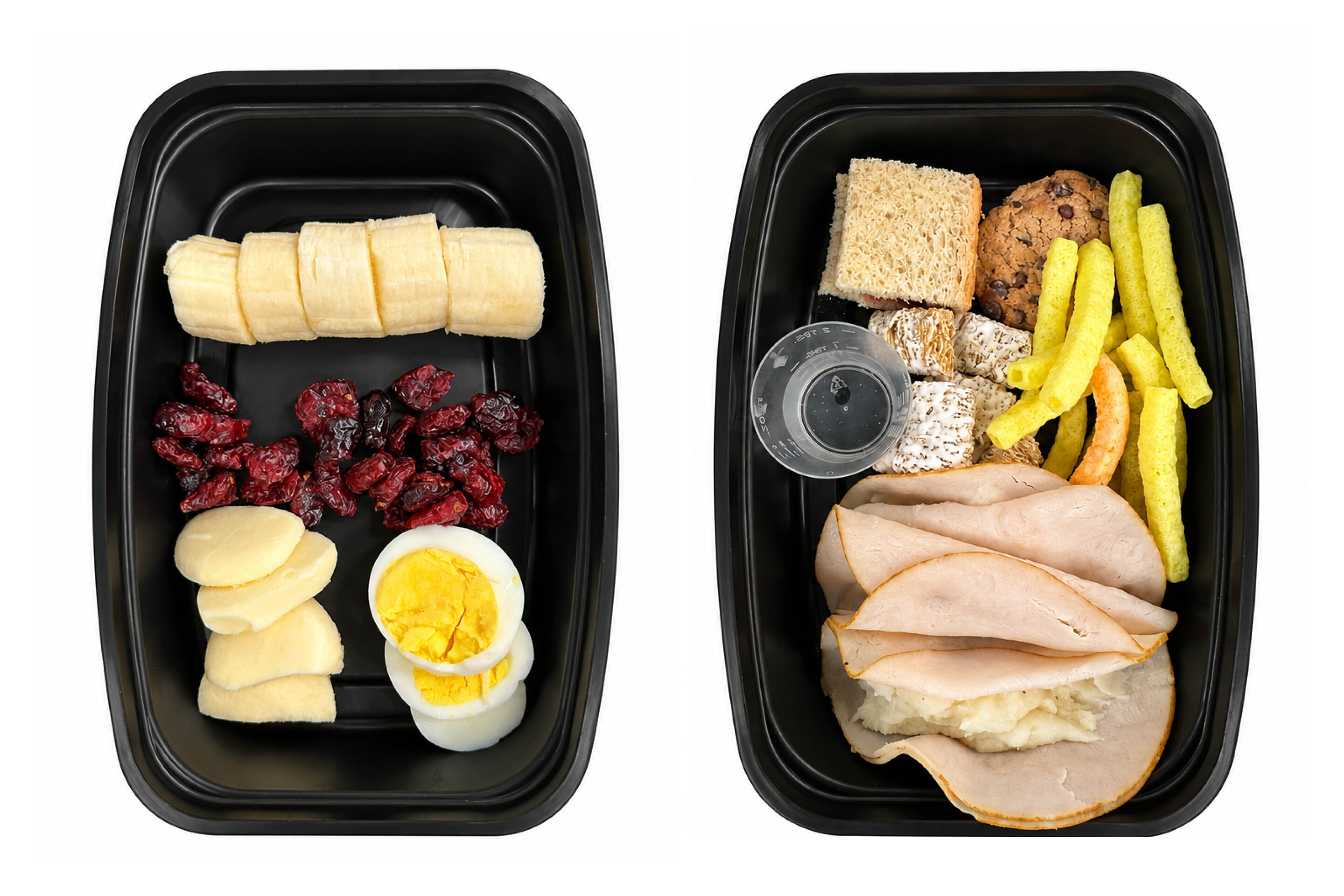
Researchers exploring that question were surprised to find that minimally and highly processed meals matched for calories, carbohydrates, fats, proteins, water, salt and weight produced distinct metabolic responses.
The ultraprocessed meals prompted the body to release more insulin and expend more energy while burning less carbohydrate for fuel. They also evoked different responses in the part of the brain involved in motivation and reward.
The results suggest that food processing may affect how the body and brain respond to food in ways that go beyond carbohydrates, fat and protein—potentially helping researchers understand why ultraprocessed foods have been associated with overconsumption and long-term health effects and pointing to new areas for research.
Virginia Tech researchers with the Fralin Biomedical Research Institute at VTC published their findings Oct. 5 in Nature Metabolism.
Ultraprocessed foods represent more than half of the average American's daily calories. Diets worldwide are also shifting to include more of these foods, which are formulated to be convenient, accessible, affordable and highly palatable, making them easy to overeat.
"If you look at that population-level data, people who consume large amounts of ultraprocessed foods have higher rates of poor health outcomes—obesity, cardiac events, type 2 diabetes and even some metrics of mental health," said Alex DiFeliceantonio, a Fralin Biomedical Research Institute associate professor whose lab led the study.
Source link





