
This article has been reviewed according to Science X's editorial process and policies. Editors have highlighted the following attributes while ensuring the content's credibility:
Think about the last time you stood up from a chair or lifted a heavy shopping bag from the floor. These movements might feel automatic, but they take a surprising amount of coordination between your brain and your muscles.
As you lift the bag, your brain sends signals that tell your muscles when to tighten and how hard to pull. At the same time, signals from your body help your brain tell where your limbs are and whether you're starting to lose your balance. If the bag is heavier than you expected, you can adjust your grip and shift your weight as you lift.
A recent study involved 162 adults 65 and older who showed signs of mild cognitive impairment. This means having more difficulty with memory or thinking than is usual at that age while still being able to manage most everyday tasks.
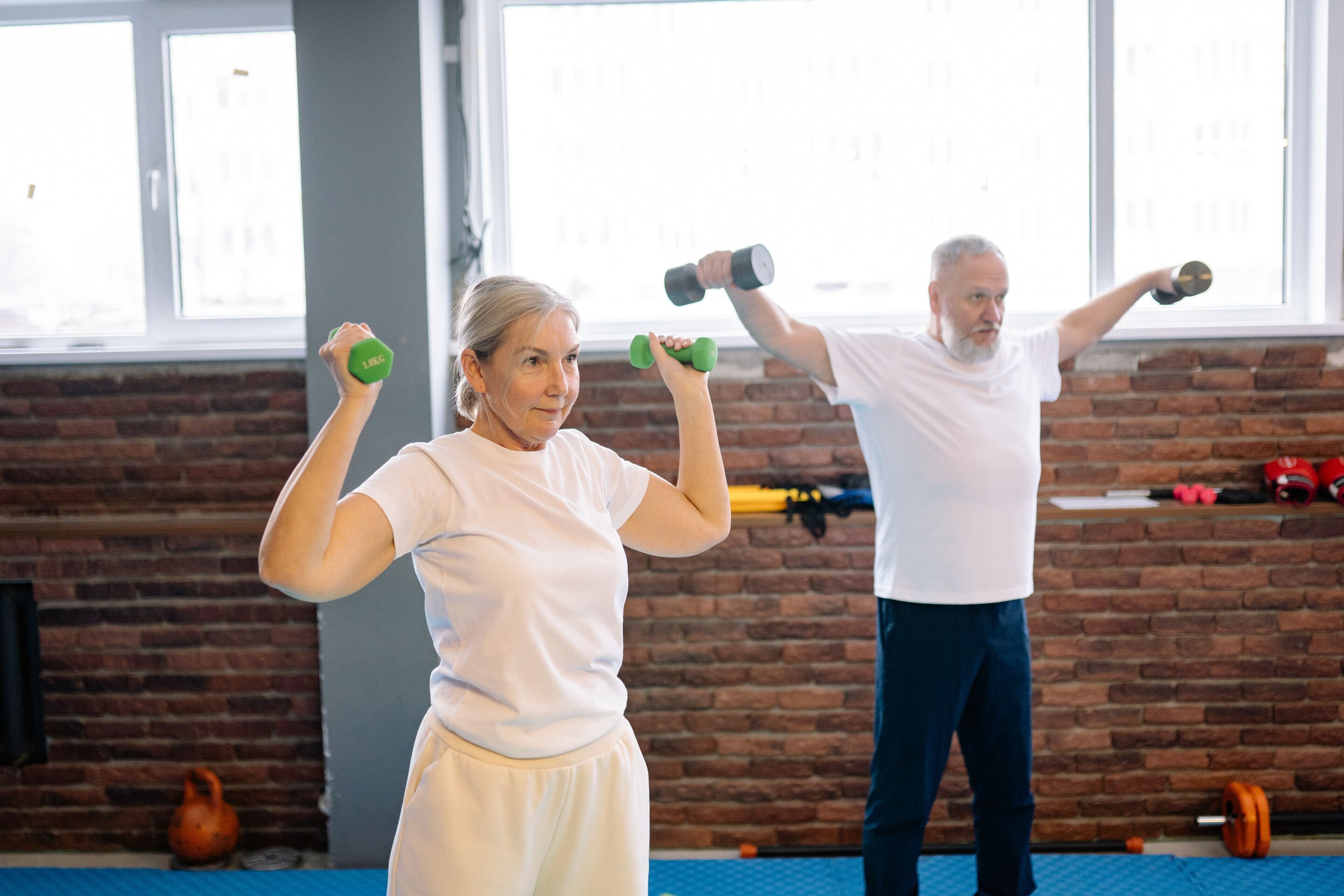
The researchers compared gentle exercise with a 24-week program of resistance training, in which muscles work against a weight or against the body's own weight. The strength exercises gradually became harder. In the second half of the program, participants began doing some of them on surfaces such as foam pads, which made it harder to keep their balance.
By the end of the program, the strength-training group scored slightly higher than the gentle-exercise group on two tasks: repeating a string of numbers immediately after hearing it and naming as many words as possible beginning with the letter A in one minute.
Source link





