This article has been reviewed according to Science X's editorial process and policies. Editors have highlighted the following attributes while ensuring the content's credibility:
A multi-institutional study led by researchers at Children's Hospital of Philadelphia (CHOP) discovered for the first time that dietary interventions might prevent inflammatory symptoms associated with Hirschsprung disease, a bowel motility disorder. The findings were published in the journal Gastroenterology.
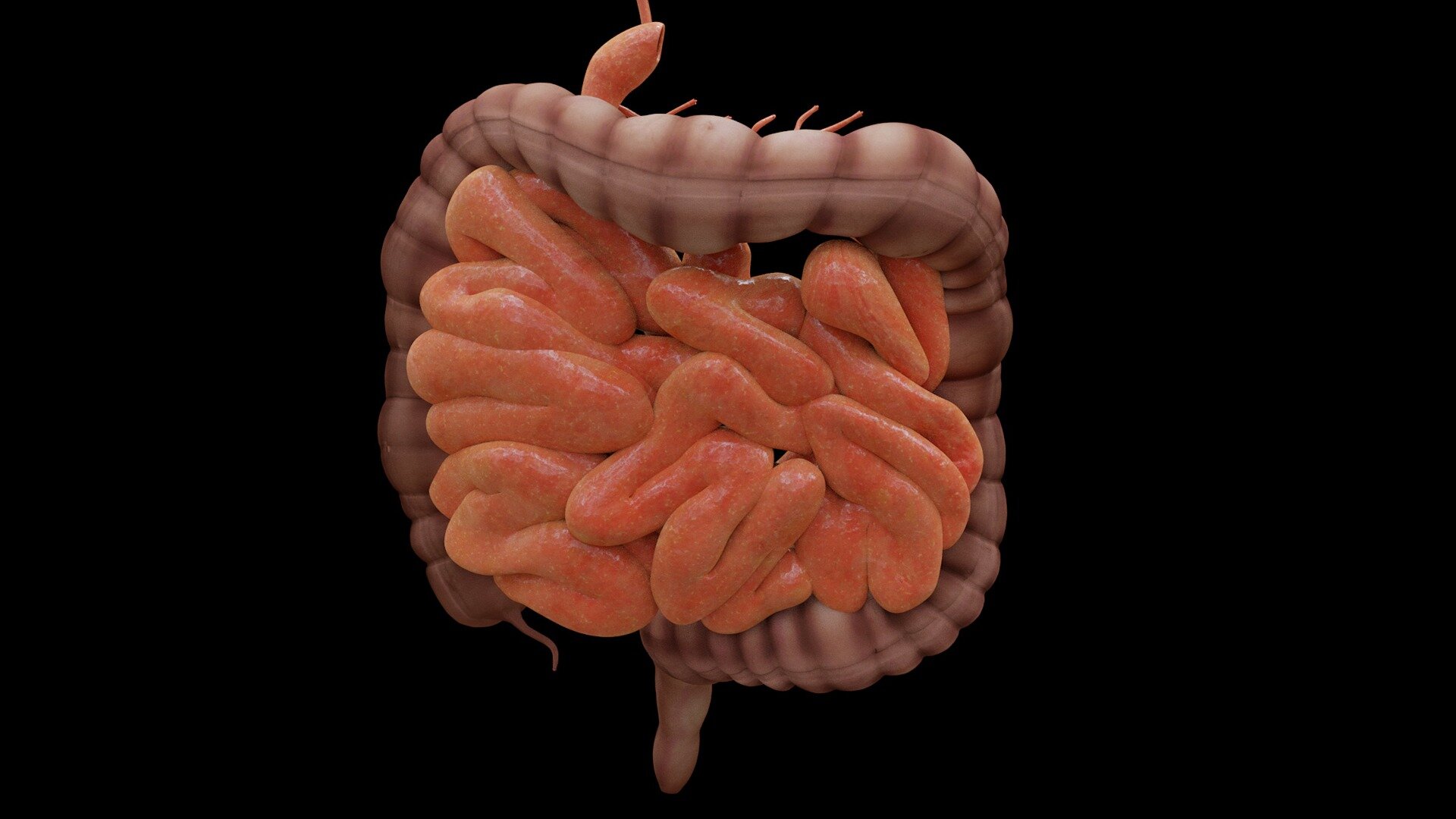
Hirschsprung disease is a potentially life-threatening birth defect in which neurons of the enteric nervous system—the "brain" of the gut—do not form properly in the wall of the intestine and are completely missing at the end of the bowel.
Children with Hirschsprung disease typically have severe constipation and difficulty passing stool and gas due to a functional obstruction caused by poor motility in the region lacking enteric neurons. Surgical intervention is required to treat the disease, but some children continue to have complications such as constipation and abdominal distension after surgery.
One dangerous complication of Hirschsprung disease is called Hirschsprung disease-associated enterocolitis (HAEC). This complication was once thought to be due to the obstructive bowel process of the disease but is now thought to be caused by a combination of epithelial barrier dysfunction, abnormal bowel mucus production and altered gut microbes.
However, even with an improved understanding of what underlies HAEC, it is still not known why some children with Hirschsprung disease get HAEC and others never do.
, a pediatric gastroenterologist in the Division of Gastroenterology, Hepatology and Nutrition at CHOP and research director and Norman and Irma Braman Endowed Chair of CHOP's Lustgarten Center for GI Motility.
Source link