This article has been reviewed according to Science X's editorial process and policies. Editors have highlighted the following attributes while ensuring the content's credibility:
Artificial intelligence can be helpful in analyzing medical images and support radiotherapy planning workflows. However, huge amounts of sensitive patient data are needed to train robust AI models. Researchers at the Karlsruhe Institute of Technology (KIT) have investigated how hospitals can jointly develop AI models for radiation therapy applications without exchanging such data. In their project, they use federated learning, a process in which a single model is trained at a decentralized location while the data remains in place. Their results demonstrate not only the technical feasibility of the approach but also its safe, more sustainable, and accessible use.
The exchange of medical data between hospitals is often limited by privacy regulations and organizational barriers, which hinders the development of robust AI models. A special feature of federated learning is that the patient data never leaves the institution where it was recorded. The facilities involved train their models onsite, exchanging only information about the model updates. This enables knowledge from multiple hospitals to be pooled without transmitting sensitive health data or storing it at a central location. While the approach is not new in the health sector, KIT researchers have refined it specifically for applications in radiation therapy.
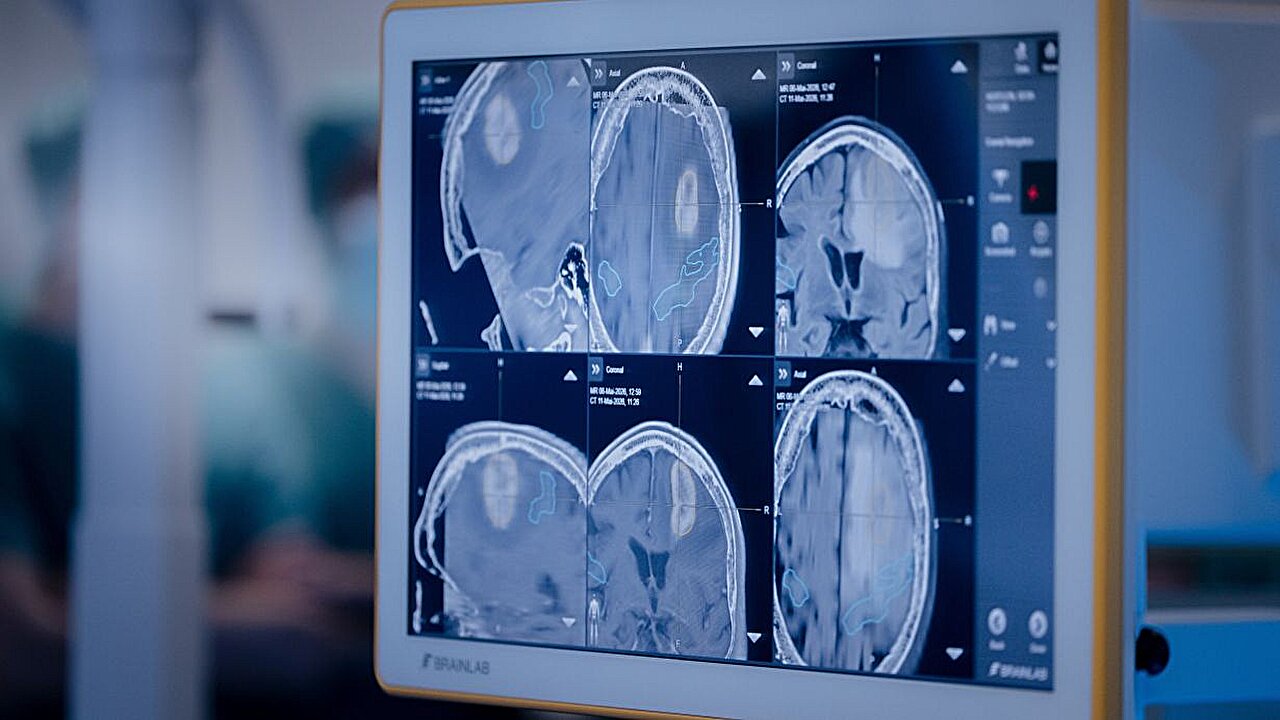
Radiation therapy planning requires the use of various imaging techniques, such as MRI, CT or CBCT. Each of these techniques provides different information. While CT scans are required for calculating the radiation dose, MRI provides high-contrast visualizations of organ tissue and CBCT scans enable precise positioning of patients during treatment.
Source link