This article has been reviewed according to Science X's editorial process and policies. Editors have highlighted the following attributes while ensuring the content's credibility:
Researchers at King's College London have found a more effective method for identifying preeclampsia from electronic health records (EHRs), allowing them to capture cases and associated adverse outcomes that existing methods may miss.
The study suggests that use of data in EHRs could be optimized to improve the accuracy of maternity care research.
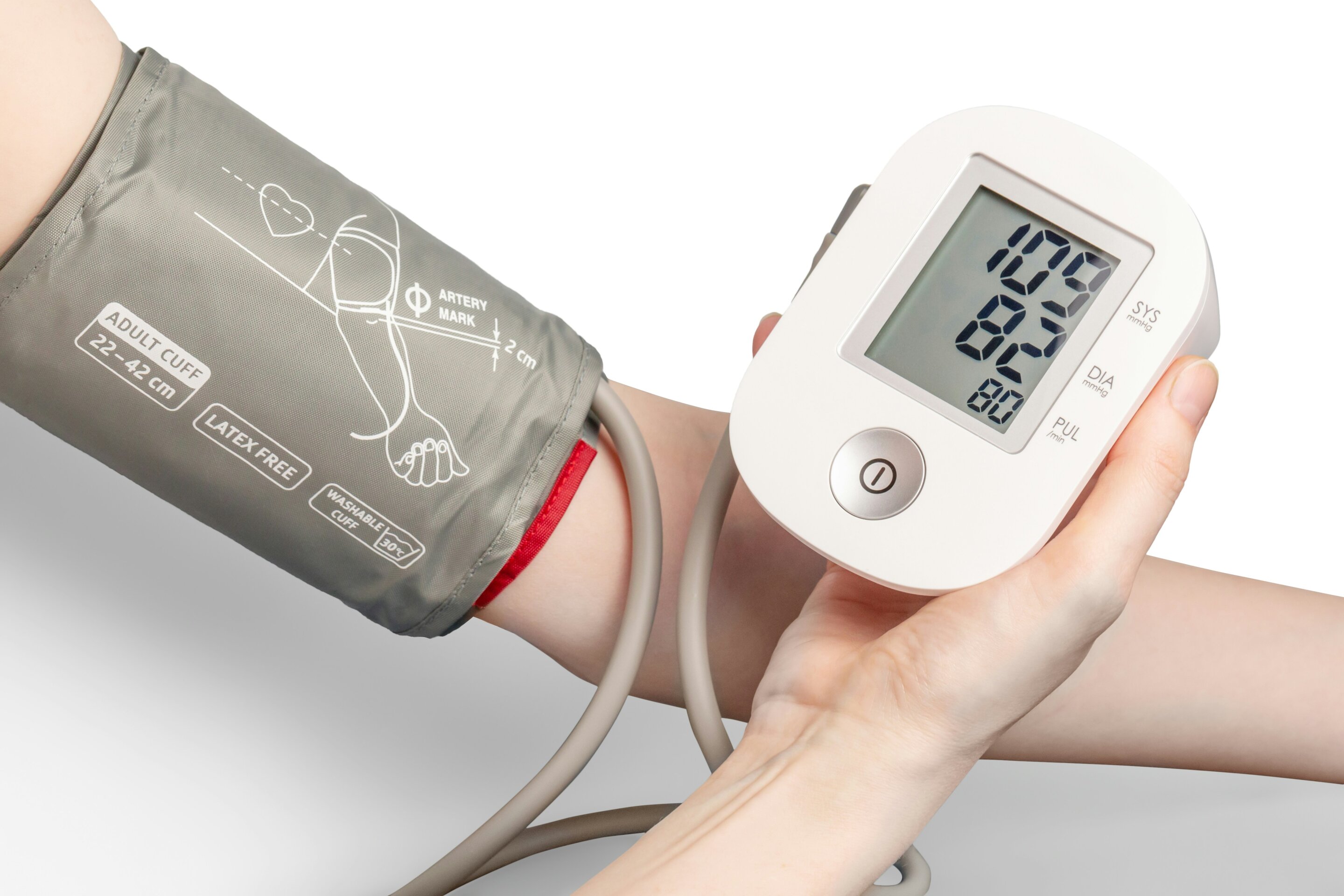
Preeclampsia is a pregnancy condition that causes high blood pressure. It typically develops after 20 weeks of pregnancy and can cause serious complications for both mother and baby. Diagnosing preeclampsia early is important for risk management, and a large part of prenatal care is focused on detection of the condition through routine checks of blood pressure and protein in the urine, known as proteinuria. These measurements are stored in a digital record, known as an EHR, along with the patient's other medical history.
EHRs offer a powerful resource for population research, providing vast amounts of data on millions of people from diverse populations. However, identifying conditions like preeclampsia in EHRs can be challenging because it has complex diagnostic criteria and health records are not always collected in a consistent way. As a result, cases can be missed when researchers use computational tools to mine data that utilize standard diagnostic codes based on outdated definitions, or simplified fields within EHRs.
In the new study, published in The Lancet Digital Health , researchers explored how effectively a diagnosis of preeclampsia, as well as the risks associated with the condition, could be identified retrospectively using the clinical data available in EHRs.
Source link