
This article has been reviewed according to Science X's editorial process and policies. Editors have highlighted the following attributes while ensuring the content's credibility:
Type 1 diabetes, an autoimmune condition in which the pancreas doesn't produce enough insulin, can make it harder for wounds to heal. Researchers are exploring why and how the body's natural healing processes could be improved. Pedro Geralde, PD, a professor at the Université de Sherbrooke in Canada, shared his team's work at the American Physiological Society's 2026 Comparative Physiology conference last month. We caught up with Geralde to learn more.
We were studying why wounds heal more slowly with type 1 diabetes and whether two naturally occurring molecules called apelin and ELABELA could help improve healing.
Not everyone with type 1 diabetes experiences wound-healing problems, but they are generally at a higher risk of delayed healing compared with people without diabetes. High blood sugar levels can affect blood vessels, reduce blood flow, impair immune cell function and prolong inflammation. These changes can make it harder for the body to repair damaged tissues and fight infections.
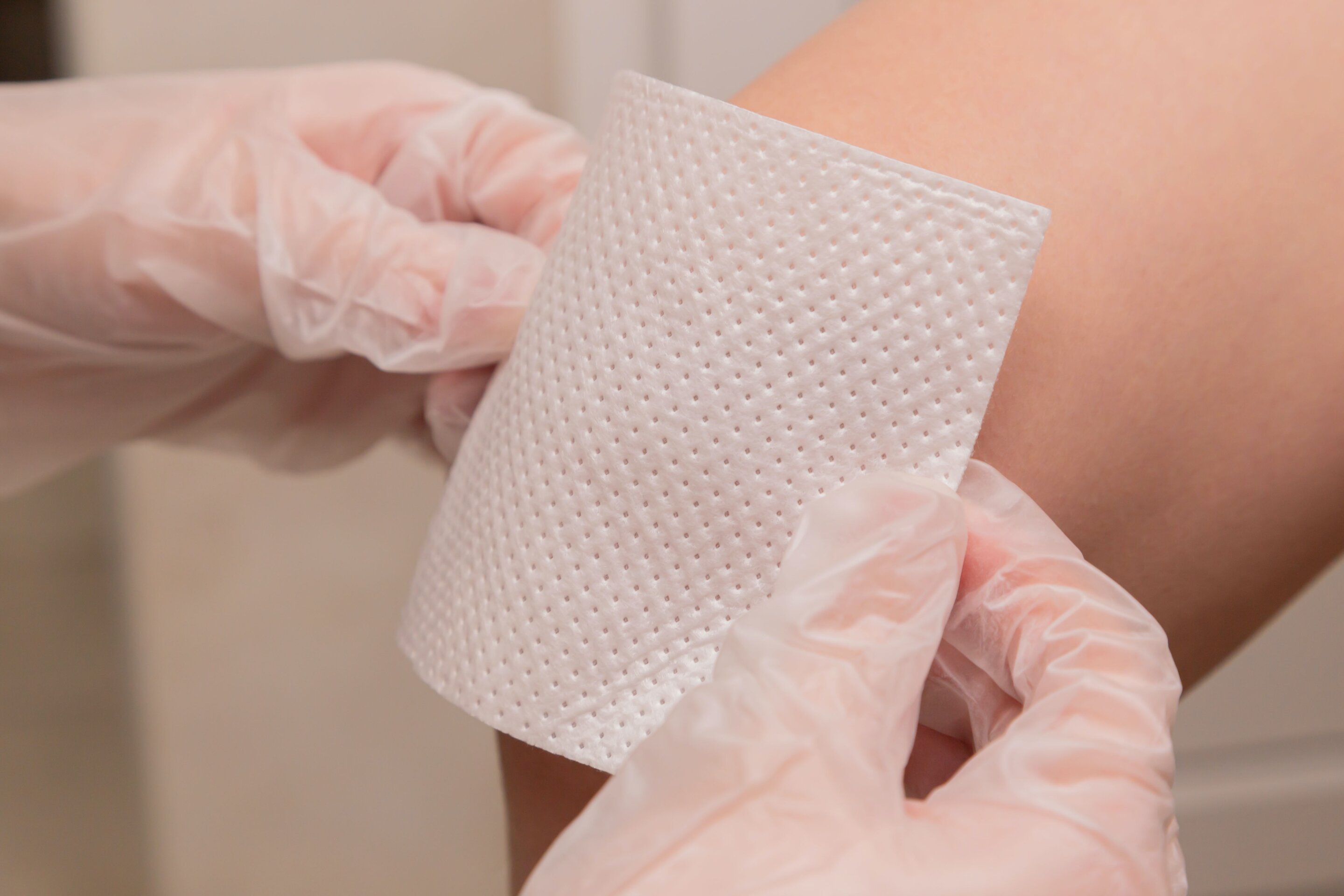
When a wound does not heal properly, it can become chronic, meaning it stays open for a long time. Chronic wounds are more vulnerable to infection because they provide an entry point for bacteria.
If an infection becomes severe and spreads to deeper tissues, such as muscle or bone, it can cause significant tissue damage. In some cases, amputation may become necessary to remove infected or nonviable tissue and prevent the condition from becoming life-threatening.
Source link





