This article has been reviewed according to Science X's editorial process and policies. Editors have highlighted the following attributes while ensuring the content's credibility:
A concussion is often described as a "mild" traumatic brain injury. Yet repeated blows to the head rarely feel mild, and their effects—including changes in movement, memory, mood and brain function—may last for months or years.
Athletes, military personnel, people involved in vehicle collisions, older adults who experience falls and people experiencing intimate partner violence are all especially susceptible to repeated head injuries. These injuries are associated with an increased risk of neurodegenerative conditions, including chronic traumatic encephalopathy and Parkinson's disease.
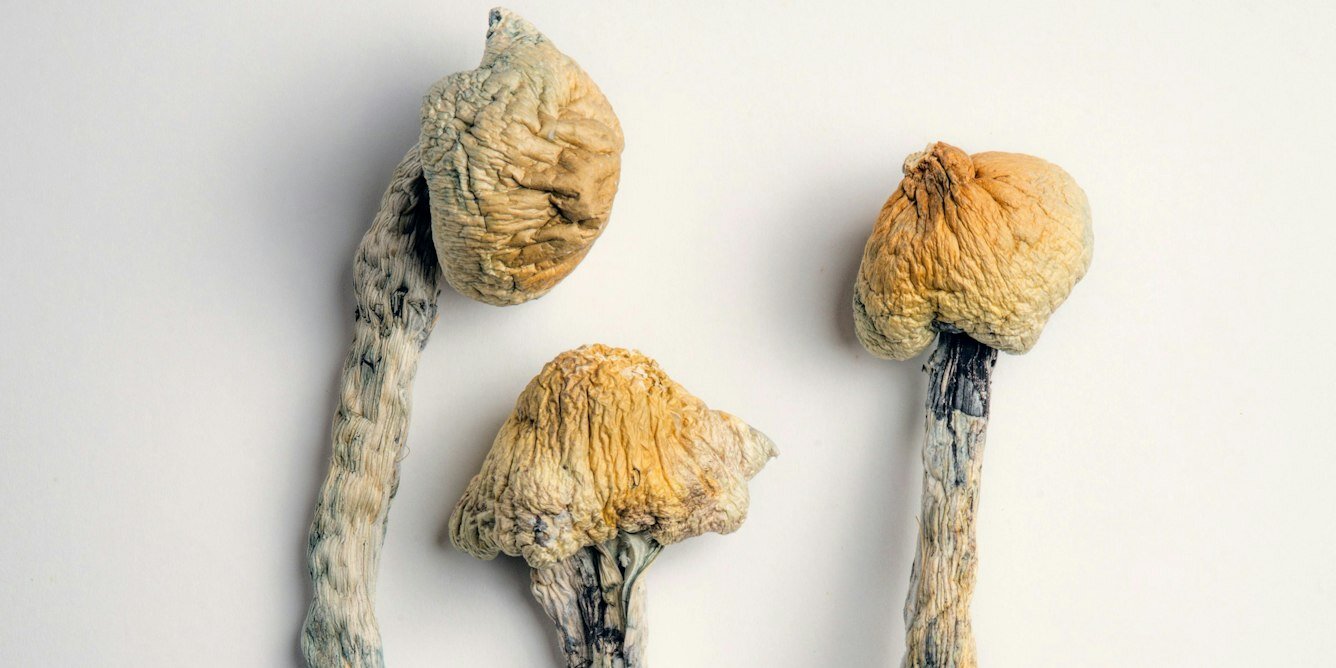
There is no approved drug that repairs the underlying brain damage from concussions. This therapeutic gap has prompted interest in an unconventional candidate: psilocybin, the psychoactive compound found in "magic mushrooms."
New research, which I conducted with colleagues from the United States, shows that psilocybin may help the brain recover from repeated mild head trauma. The findings are published in the journal Communications Biology.
Psilocybin is best known for producing profound changes in perception and consciousness.
However, research increasingly suggests that its biological actions extend beyond the psychedelic experience. It can promote plasticity, the brain's capacity to adapt, and may influence inflammation, blood vessels and the molecular systems that support cellular repair.
Recent animal studies suggest that psilocybin may also be effective in healing repetitive brain injuries. A single dose of psilocybin administered months after repetitive concussion-like injuries improved emotional and cognitive outcomes in rats.
Source link