This article has been reviewed according to Science X's editorial process and policies. Editors have highlighted the following attributes while ensuring the content's credibility:
Nearly half of Hungarian children are exposed to screens daily by the age of 18 months, yet what they need most for their development is play, physical activity, face-to-face interactions and active exploration of their surroundings. Early and intensive use of digital devices may pose risks not only because of the time spent in front of screens, but also because it may take time away from these essential experiences.
A new study published in the journal Biologia Futura, with contributions from researchers at Eötvös Loránd University (ELTE), examines the developmental effects of early screen use and opportunities for prevention.
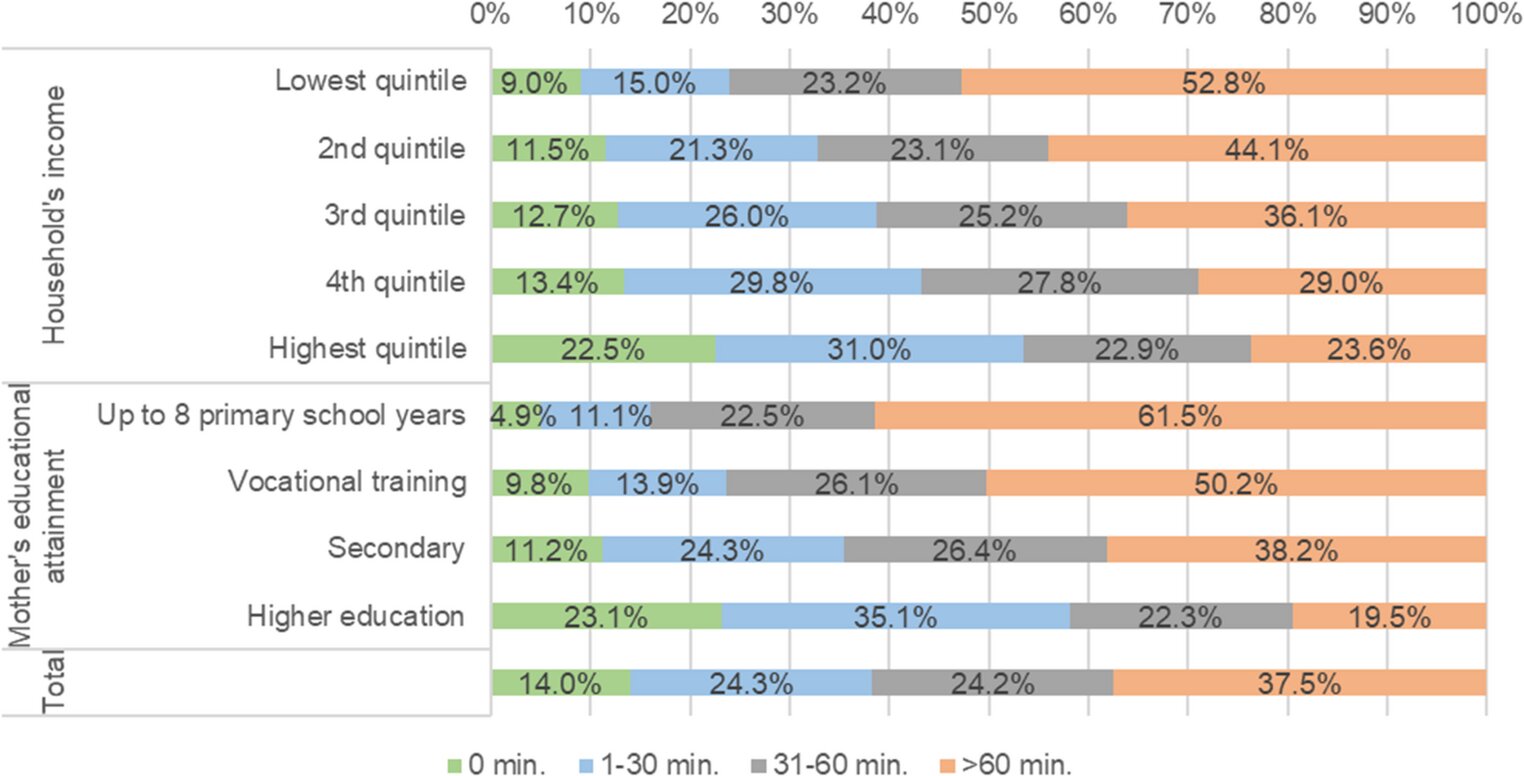
Although professional guidelines generally recommend avoiding screen use before the age of 2, reality differs considerably from these recommendations. Based on representative data from the Cohort '18—Growing Up in Hungary birth cohort study, involving 2,569 young children, the research found that 49% of 18-month-old children are exposed to screens daily, while 37.5% spend more than an hour in front of screens on a typical day. Among children exposed to screens daily, average screen time exceeds two hours. Watching television is the most common activity, but the use of smartphones and tablets is already widespread at this age.
International studies have identified trends similar to those observed in the Hungarian data collected in 2019–2020. The Hungarian data were previously analyzed by Krisztina Kopcsó and colleagues. Kopcsó, a researcher at the HCSO Institute for Quantitative Population and Economic Research, is the first author of the newly published study.
Source link