
This article has been reviewed according to Science X's editorial process and policies. Editors have highlighted the following attributes while ensuring the content's credibility:
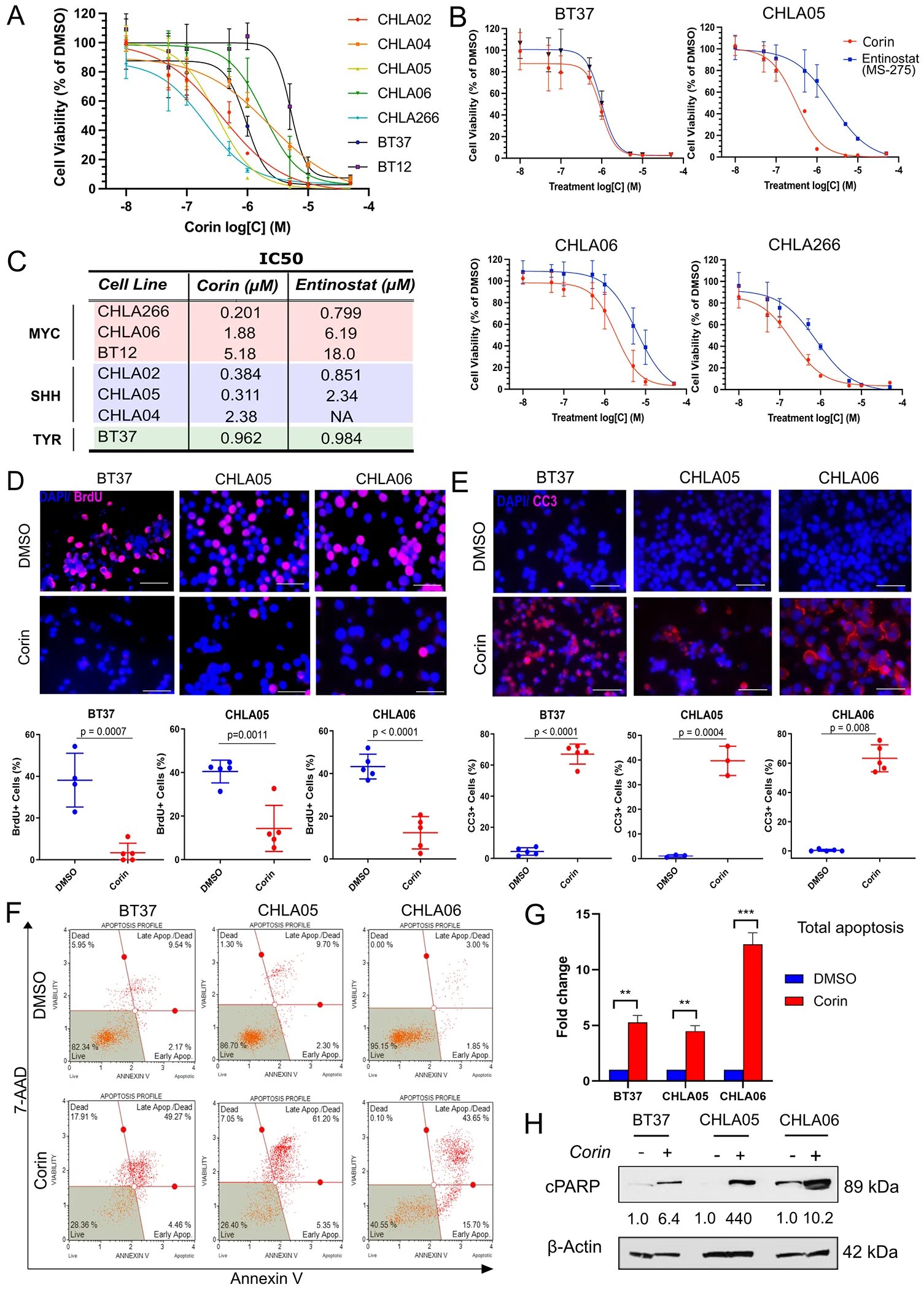
A drug called corin might help treat the most common form of brain cancer in infants, according to a study by Johns Hopkins Sidney Kimmel Comprehensive Cancer Center researchers. Corin, which was developed at Johns Hopkins Medicine, causes tumor cells to mature into a less aggressive state.
A description of the work was published in Neuro-Oncology on Nov. 1.
Atypical teratoid rhabdoid tumors (ATRT) are the most common form of brain tumor in infants. A little more than one-third of infants with ATRT survive after intensive cancer therapy, which may include surgery, chemotherapy, radiation and stem cell transplants. Survivors often face lifelong complications of their treatment.
"New therapies that work in different ways are desperately needed," says co-senior author Eric Raabe, M.D., Ph.D., an associate professor of oncology and pathology at Johns Hopkins Medicine. "Corin works to address the root cause of ATRT. It reduces the growth of ATRT tumor cells in the brains of lab mice, and mice with ATRT tumors treated with corin live longer."
, a former professor, Kimmel Cancer Center researcher and director of the Department of Physiology, Pharmacology and Therapeutics, now a professor at Harvard University. It targets a protein that keeps tumor cells locked in a fast-growing, immature state. Corin may help to treat drug-resistant forms of cancer.
Source link





