
This article has been reviewed according to Science X's editorial process and policies. Editors have highlighted the following attributes while ensuring the content's credibility:
In Southeast Asia, breast cancer screening could have limited potential to reduce breast cancer mortality due to screening age eligibility not aligning with the actual ages at which women develop the disease, according to a study by the Yong Loo Lin School of Medicine, National University of Singapore (NUS Medicine).
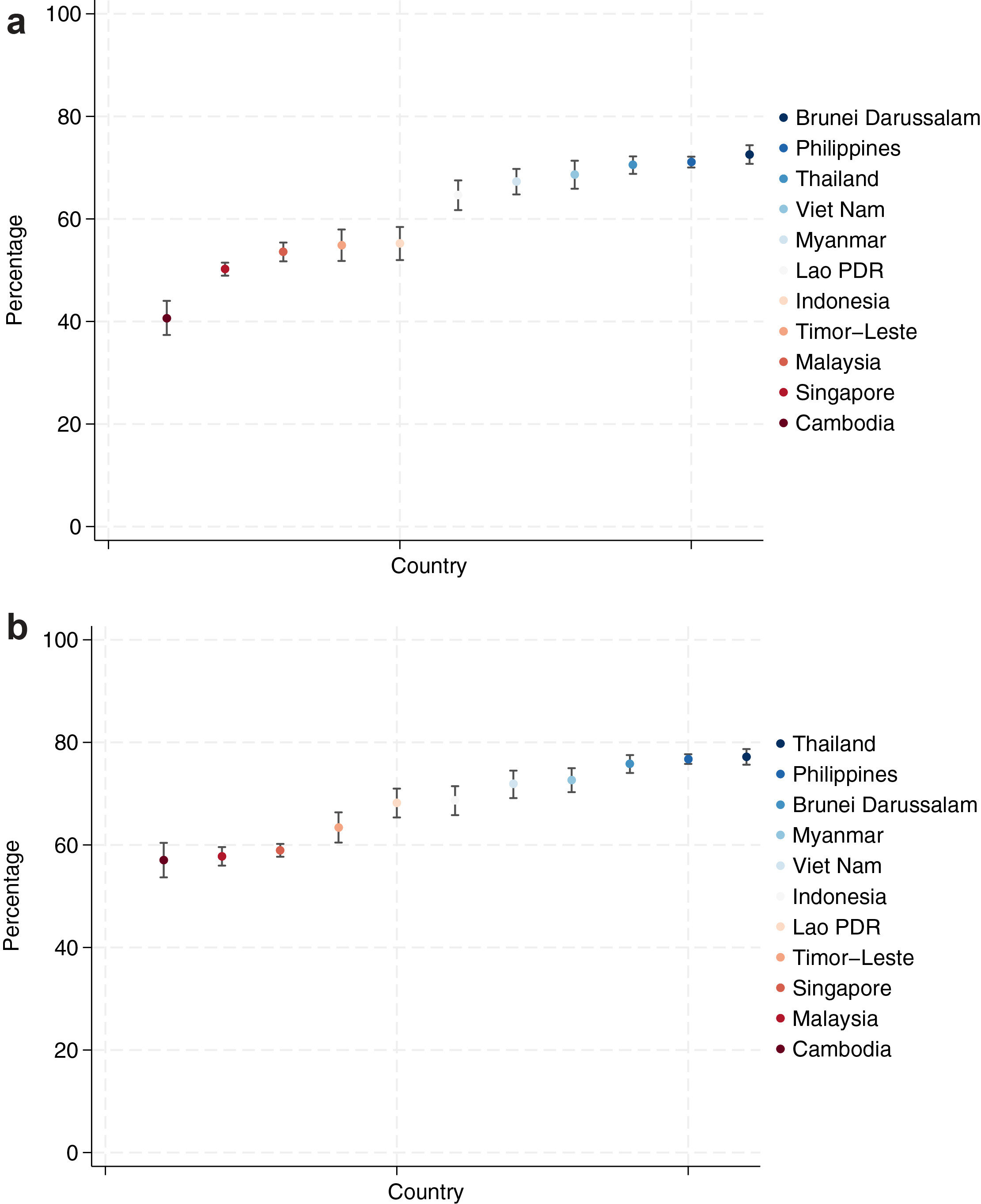
Analyzing breast cancer mortality data and screening policies across 11 Association of Southeast Asian Nations (ASEAN) countries, researchers led by professor Evangelos Kontopantelis of the Department of Medicine at NUS Medicine found that the proportion of breast cancer deaths associated with diagnoses occurring within screening-eligible ages varied considerably, ranging from 40.6% in Cambodia to 72.6% in Brunei Darussalam. In Singapore, the proportion was estimated at 50.2%, the second-lowest among the countries studied.
The findings suggest that screening programs could potentially reach more women who may benefit from earlier cancer detection and treatment if their age eligibility criteria better reflect the ages at which breast cancer occurs in each country.
Published in eClinicalMedicine, the study also projected that even modest improvements in screening attendance could help reduce breast cancer deaths. Under a 5-percentage-point increase in screening attendance, the study estimated that approximately 7,300 cumulative deaths could be averted in Indonesia and 4,400 in the Philippines between 2026 and 2050.
These reductions reflect Indonesia's large population and breast cancer mortality burden, as well as the Philippines' relatively high breast cancer mortality rates and proportion of deaths associated with diagnoses within screening-eligible ages.
Source link





