
This article has been reviewed according to Science X's editorial process and policies. Editors have highlighted the following attributes while ensuring the content's credibility:
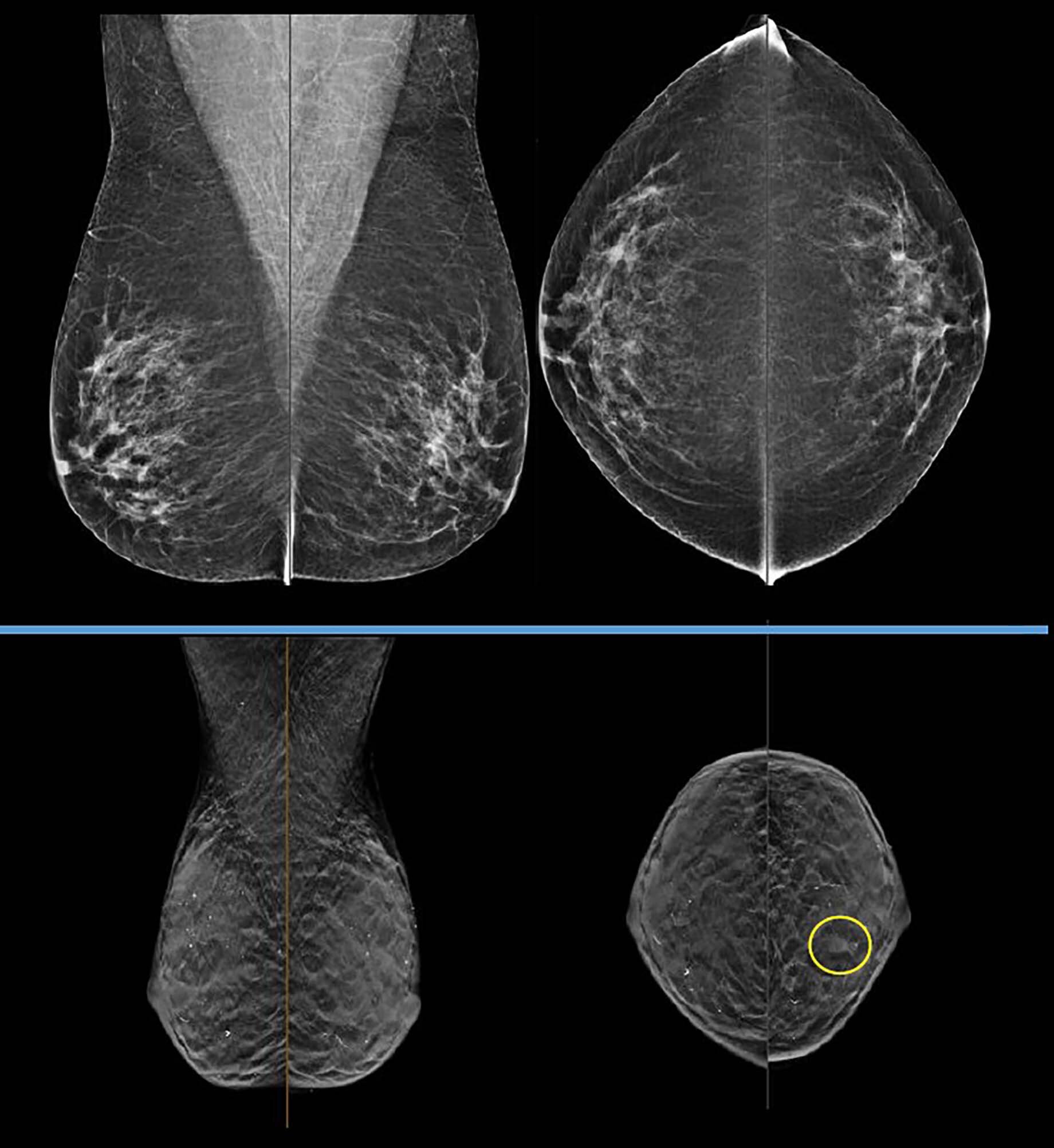
GLP-1 receptor agonist–associated weight loss may alter mammographic appearance through increased breast density, potentially influencing screening recall, according to a new study presented at the annual meeting of the Radiological Society of North America (RSNA).
The use of GLP-1 receptor agonists, such as Ozempic and Wegovy, for weight loss has dramatically increased over the past few years. According to Gallup, the percentage of U.S. adults currently taking GLP-1 medications for weight loss in 2026 is 11%, climbing sharply from 3% in 2024.
While these drugs are generally considered safe, they are not without side effects, and their effect on body composition extends beyond the scale.
Researchers set out to evaluate changes in mammographic breast density and screening recall following GLP-1 receptor agonist therapy. Increased breast density is an independent risk factor for breast cancer.
"To our knowledge, this is among the first studies to directly evaluate longitudinal changes in mammographic breast density using paired mammograms before and after GLP-1-associated weight loss," said the study's lead author, Eva C. Gombos, M.D., a diagnostic radiologist at Brigham and Women's Hospital in Boston, Massachusetts.
5), who underwent GLP-1 receptor agonist therapy for weight loss for at least one year. 1 kilograms). Each participant underwent two screening mammograms, one prior to GLP-1 therapy initiation and one after at least one year of GLP-1 therapy, for a total of 214 examinations.
Source link





