
This article has been reviewed according to Science X's editorial process and policies . Editors have highlighted the following attributes while ensuring the content's credibility:
Following a rare dust storm in Chicago, allergy-related pediatric primary care visits increased significantly. Dust storms carry fine particles, pollen, fungal spores, bacteria and chemical pollutants, such as pesticides, which can contribute to asthma and allergies.
Researchers at the University of Illinois College of Medicine reviewed visits to a Chicago pediatric ambulatory clinic during seven clinic days before and after a rare dust storm that covered more than 12,000 square miles (31,000 square kilometers) across northeastern Illinois on May 16, 2025. The work is published in The Annals of Family Medicine journal.
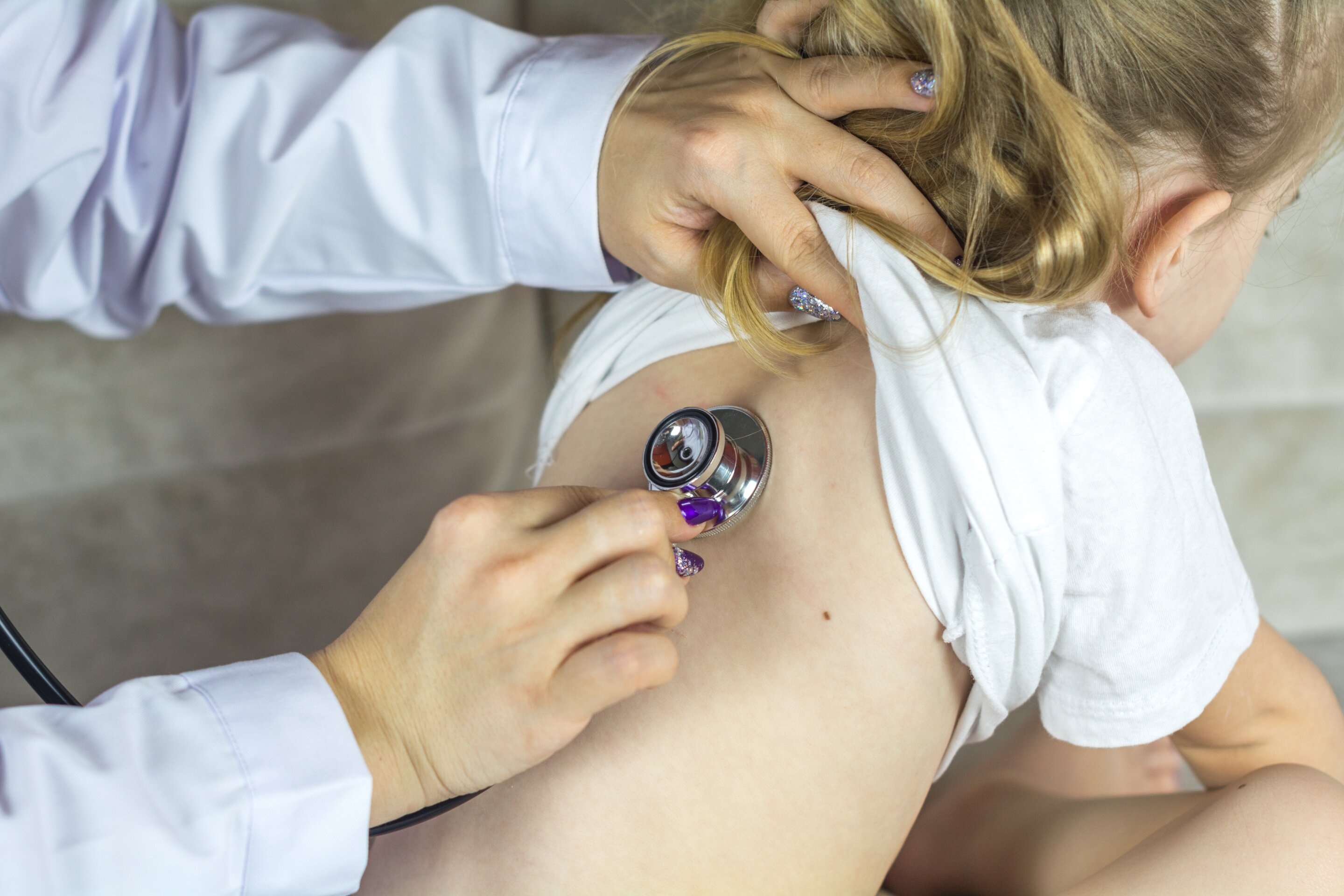
Allergy-related visits rose in the days after the storm. In the first three days the clinic was open after the storm, 20% of visits were for allergy-related problems, up from 13% in the three clinic days before it.
Visit diagnoses included eczema, asthma/reactive airway disease, hay fever, allergic conjunctivitis, allergic dermatitis and seasonal allergies.
Why it matters: Most of the existing research on dust storms has focused on emergency department visits. This analysis highlights the broader burden on primary care and the impact of an extreme weather event in a region typically unaffected by dust storms.
Allison Raymundo et al., Dust Storm–Associated Pediatric Allergic Morbidity in Primary Care in Chicago, Illinois, The Annals of Family Medicine (2026). DOI: 10.1370/afm.250902
Citation : Percentage of children's allergy-related visits increased after rare Chicago dust storm (2026, November 24) retrieved 24 November 2026 from https://medicalxpress.com/news/2026-11-percentage-children-allergy-rare-chicago.html
Source link





