
This article has been reviewed according to Science X's editorial process and policies. Editors have highlighted the following attributes while ensuring the content's credibility:
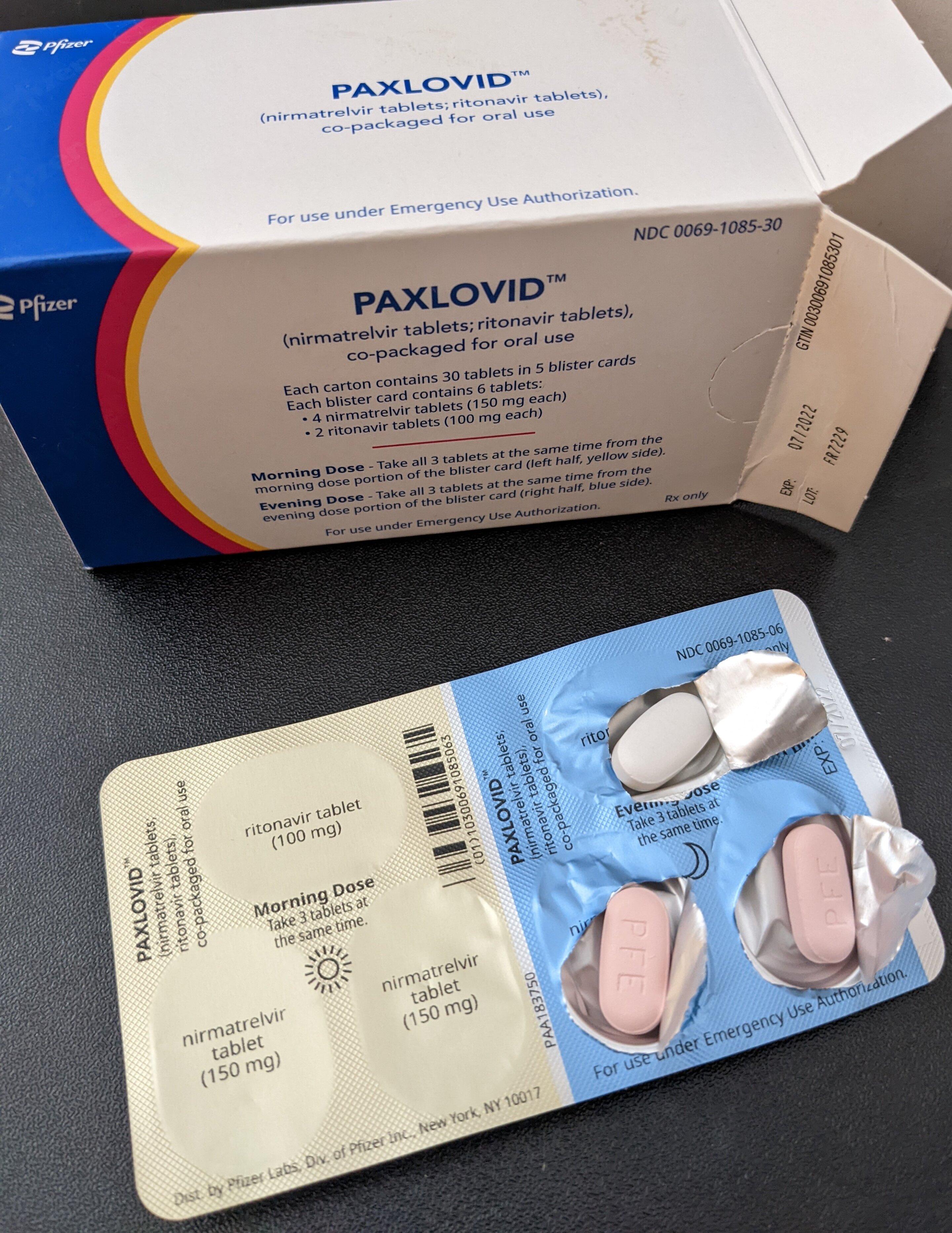
Adults at high risk for severe COVID-19 who were prescribed nirmatrelvir-ritonavir (Paxlovid) within five days of infection were less likely to be hospitalized or die in the next six months than those who weren't given the antiviral drug, according to a large study published in PLOS Global Public Health. For patients at low risk for severe outcomes, the results were inconclusive.
Some patients who recover from acute COVID develop new symptoms that persist after the initial infection, a condition called post-acute sequelae of COVID-19 (PASC), or long COVID.
Paxlovid is approved to treat acute COVID infection within five days of symptom onset. It has been shown to reduce the risk of severe COVID in the short term, but research on whether Paxlovid could help prevent long COVID is limited.
For the study, researchers led by a team from Weill Cornell Medicine analyzed data from 497,499 people who tested positive for COVID from March 1, 2022, to Feb. 28, 2023. Of those who had at least one risk factor for severe COVID, 159,659 received at least one dose of Paxlovid during the acute infection period, and 272,048 did not.
Compared with no treatment, Paxlovid was associated with a 12% lower risk of long COVID, which translates to an absolute risk reduction of 30 fewer cases per 1,000 people. Those who took Paxlovid also had a 30% lower rate of hospitalization and a 47% lower rate of death from any cause than those who didn't receive treatment.
Source link





