
This article has been reviewed according to Science X's editorial process and policies. Editors have highlighted the following attributes while ensuring the content's credibility:
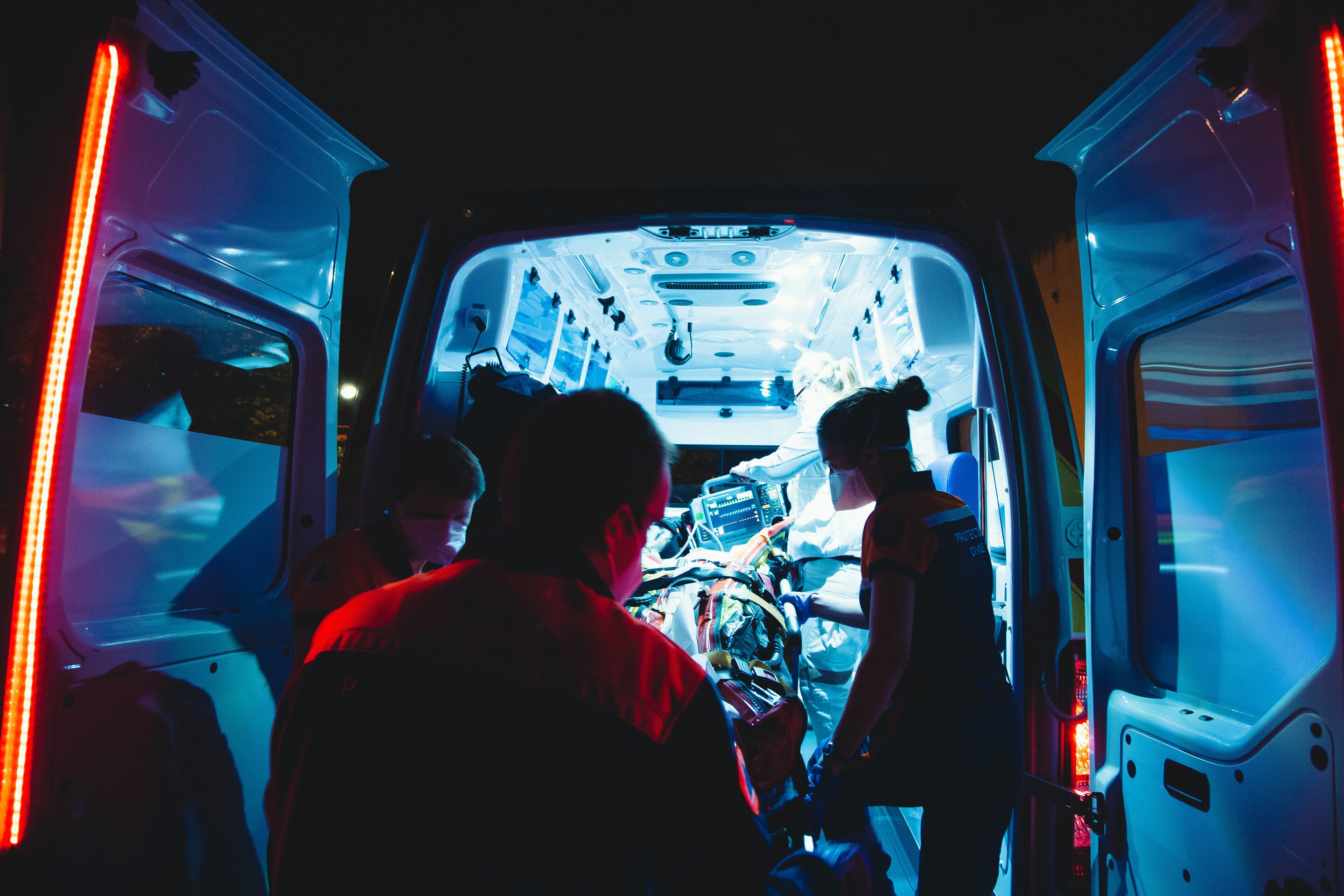
When a paramedic arrives at your door, they may have come straight from someone else's emergency. "I don't know how you do your job," people often tell me. I think about how little time there can be to take in what's happened on one call before the next one comes in.
I'm a paramedic and an academic specializing in paramedic science. Ambulance staff deal with death and serious injury, and they can encounter violence on the job. There are pressures between calls, too. A review of research on ambulance work describes how long shifts, unpredictable work and limited time to recover can add to the strain.
In a separate U.K. study carried out during the COVID-19 pandemic, ambulance staff reported worsening shortages and raised concerns about having too little time to do the job. In ambulance work, there's an expectation that we'll be resilient and raise a hand if we're struggling. I find that second part difficult, and I doubt I'm the only one.
Researchers describe resilience as a process of adapting in the face of serious adversity. When I hear that we're expected to be resilient, I think of something springing back into shape. I'm uneasy about applying that image to people. I can be ready to help the next patient and find, at the end of my shift, that I'm still thinking about the previous call.
Source link





