This article has been reviewed according to Science X's editorial process and policies. Editors have highlighted the following attributes while ensuring the content's credibility:
In a study conducted by the World Bank and Georgetown University, scientists, including lead author Syed Shabab Wahid, DrPH, are investigating how climate change–induced heat exposure is an emerging public health concern with potential mental health consequences.
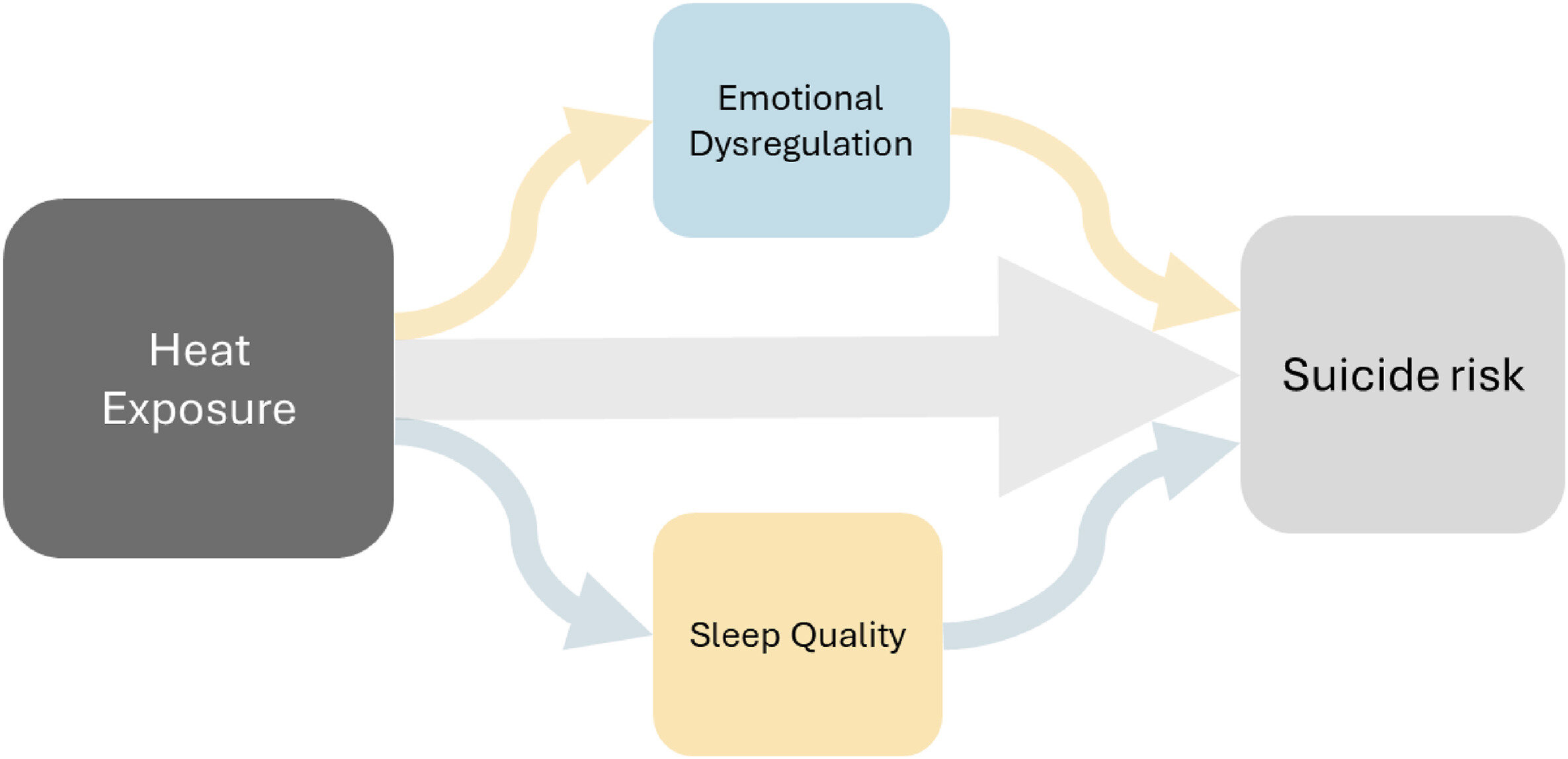
The finding, published Oct. 24, 2026, in Environmental Research, identifies how poor sleep quality and emotional dysregulation mediate the relationship between exposure to extreme heat and suicide risk.
We asked Wahid, an assistant professor in the Department of Global Health at Georgetown's School of Health, who also leads Georgetown's Global Mental Health & Well-Being Initiative, to share more about his research and its potential implications.
"Rising global temperatures threaten human mental health on a massive scale. Extreme heat events are becoming more frequent, longer, and more intense due to climate change. In climate-vulnerable nations such as Bangladesh, this heat stress can translate into severe psychological strain and elevated suicide risk. Understanding how environmental shifts degrade human well-being could help protect vulnerable populations, safeguard mental health, and guide climate adaptation strategies worldwide."
"Earlier public health efforts recognized broad statistical correlations between elevated temperatures and self-harm, yet two problems remained underaddressed. First, limited evidence on specific temperature thresholds at which suicide risk is first manifested and then ultimately reaches maximum levels makes it difficult to formulate public health prevention strategies; this is especially true in Bangladesh.
"Second, the underlying biological and psychological pathways that connect heat exposure and adverse mental health remain unclear.
Source link