This article has been reviewed according to Science X's editorial process and policies. Editors have highlighted the following attributes while ensuring the content's credibility:
An overlooked mechanism in lung cancer tumors may help explain why most patients don't respond to immunotherapy, according to new research led by Olga Anczuków, professor at The Jackson Laboratory for Genomic Medicine in Farmington, Connecticut, and deputy director of the NCI-designated Jackson Laboratory Cancer Center.
The JAX team includes co-senior author Karolina Palucka, professor and director of the NCI-designated Jackson Laboratory Cancer Center, and Ryan P. Englander, the study's first author and a graduate student at The Jackson Laboratory enrolled in the UConn Health MD-Ph.D. graduate program.
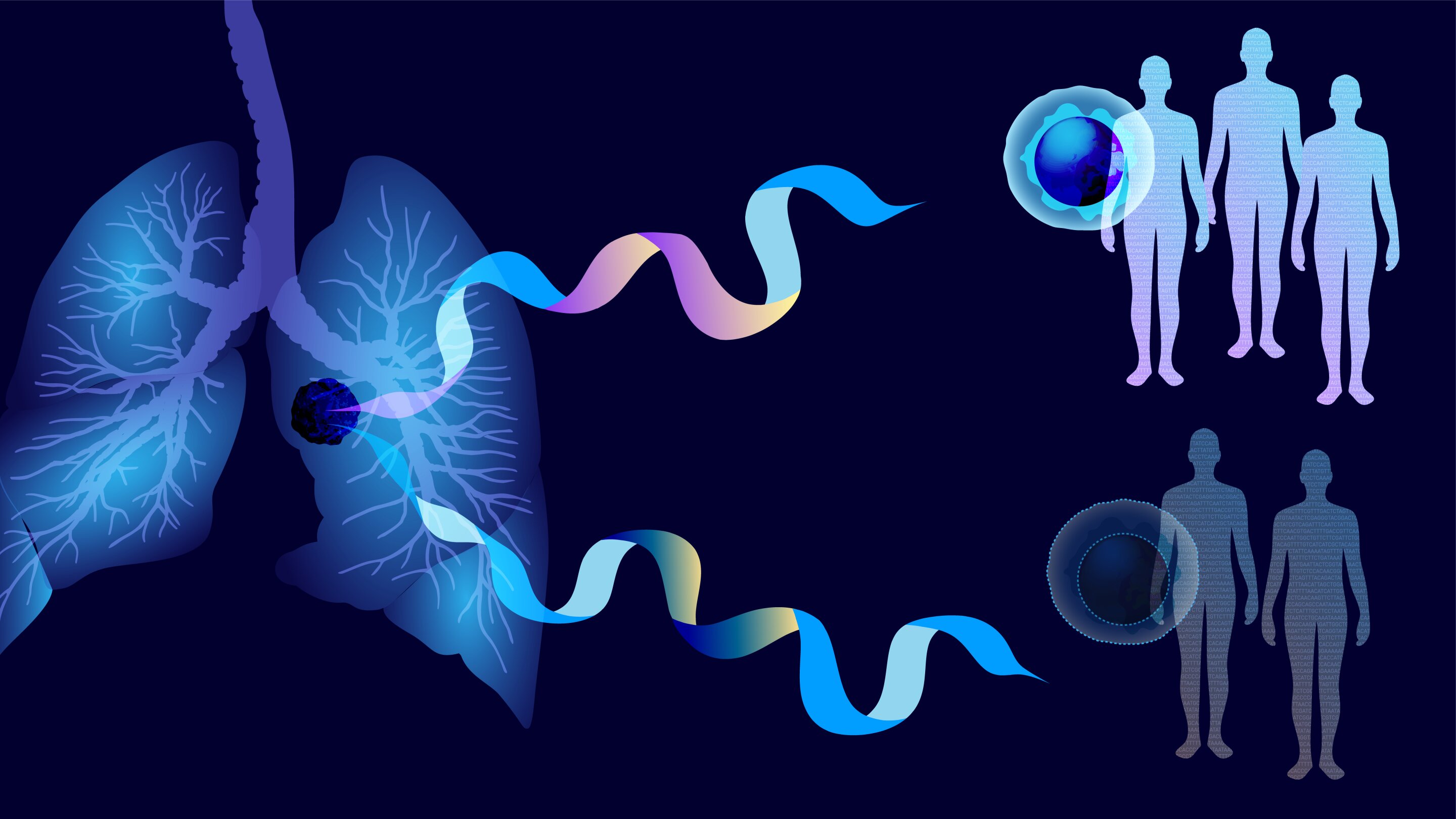
Published in Science, the study shows that lung tumors can disable a key gene called STAT2, not through mutations, but instead by altering how its RNA instructions are processed through a mechanism known as RNA splicing. Using long-read RNA sequencing, the team discovered thousands of previously unrecognized RNA variants in lung tumors.
Based on an analysis of two large clinical trials of the immunotherapy drug atezolizumab, specific STAT2 RNA splicing patterns were associated with longer survival after immunotherapy. Most reference databases used in cancer research and testing do not include these newly discovered splicing patterns.
The researchers have filed a provisional patent application for correcting this splicing mistake with RNA-based drugs, as well as for predicting immunotherapy response.
Ryan P. , Intron retention regulates STAT2 function and associates with immunotherapy response in lung cancer, Science (2026).
Source link