This article has been reviewed according to Science X's editorial process and policies. Editors have highlighted the following attributes while ensuring the content's credibility:
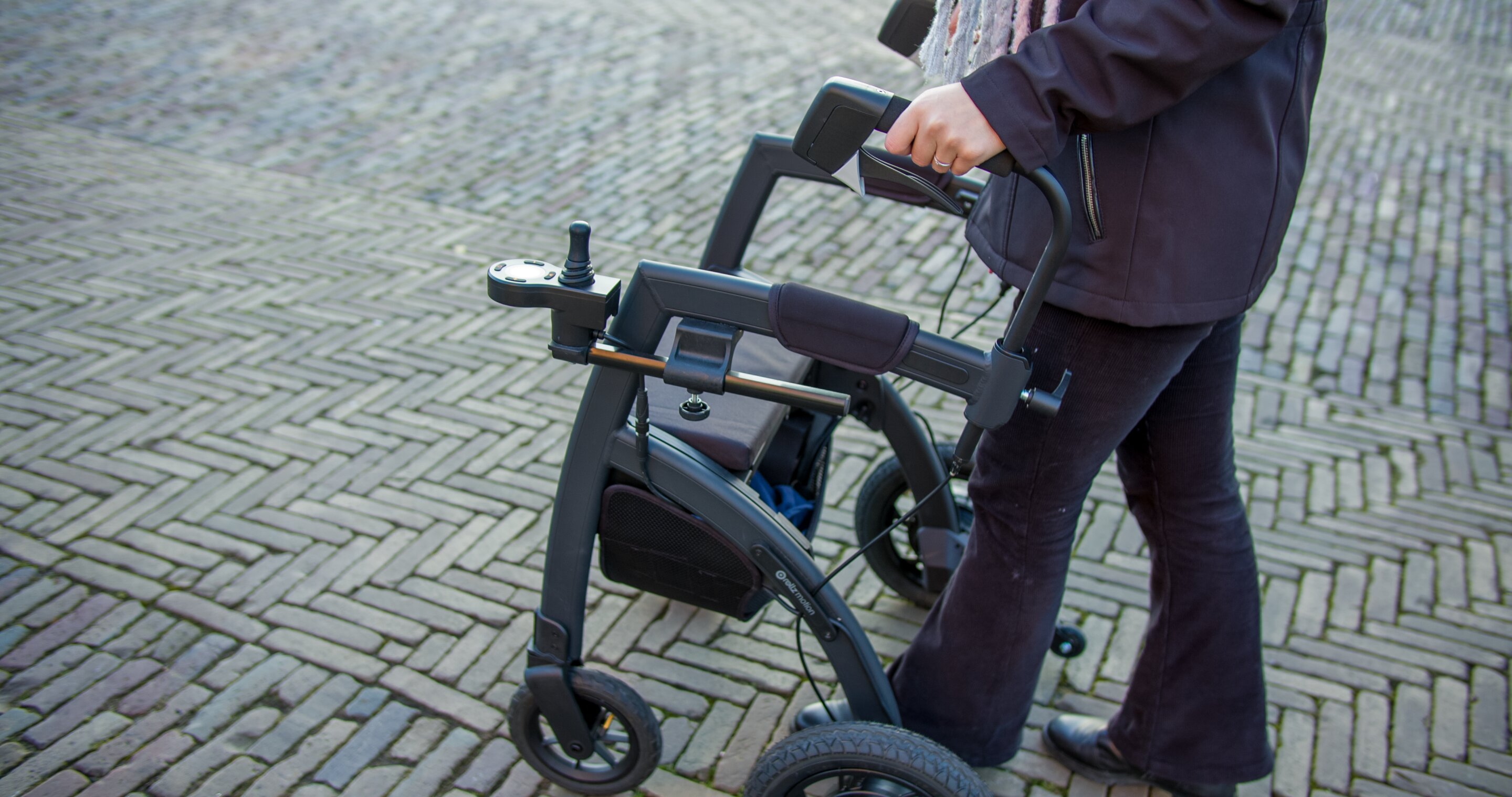
Nearly half of the oldest adults died within one year of sustaining a hip fracture. A new doctoral thesis from Umeå University shows that not only the risk of sustaining a hip fracture, but also mortality following the injury and the prospects for recovery, are influenced by physical health, medical conditions and psychological well-being rather than age alone, highlighting the need for more person-centered care.
"An important and striking finding was the high mortality rate among the oldest old adults following a hip fracture. I also found that dementia in combination with depressive symptoms was associated with increased mortality," says Erika Olofsson, a doctoral student at the Department of Nursing at Umeå University.
Hip fracture is a serious injury that affects approximately 17,000 people each year in Sweden, primarily older adults. The injury can result in long-term functional impairment, loss of independence and an increased risk of death. At the same time, older adults are a heterogeneous group with substantial differences in health, life circumstances and recovery potential. Chronological age alone therefore does not determine how vulnerable a person is or how life after a hip fracture may develop.
In her thesis, Olofsson investigated factors associated with hip fracture and mortality among people aged 85 years and older. She also examined how older adults themselves experience recovery after a hip fracture.
The results showed that the risk of sustaining a hip fracture at very advanced age was roughly the same for women and men, but that the associated risk factors differed between the sexes.
Source link