
This article has been reviewed according to Science X's editorial process and policies. Editors have highlighted the following attributes while ensuring the content's credibility:
Leishmania parasites cause leishmaniasis. The disease is spread through the bite of an infected sand fly. While in the bloodstream, parasites invade host cells where they live and multiply.
According to the Pan American Health Organization, leishmaniasis is among the top 10 neglected tropical diseases, affecting an estimated 12 million people worldwide. There are three main types of leishmaniases: visceral (affecting internal organs and almost always lethal without treatment), cutaneous (causing skin ulcers) and mucocutaneous (affecting the mouth, nose and throat). Cutaneous leishmaniasis is the most common form of the disease. Visceral leishmaniasis is the most life-threatening, ranking second only to malaria as the most fatal of parasitic infections.
In the United States, the number of new leishmaniasis cases is rising. The Centers for Disease Control and Prevention reported that most human cases occur in Texas. Driving factors behind the increase include climate changes, which expand the sand fly's habitat, plus population growth and more international travel, which increase the chance of people encountering the fly.
There are currently no licensed or approved vaccines to prevent human leishmaniasis. Treatment is limited, and the drugs used carry a high risk of toxicity. Medication also fails frequently due to drug resistance and persistence. The National Institutes of Health (NIH) reported that finding new ways to treat leishmaniasis has been difficult.
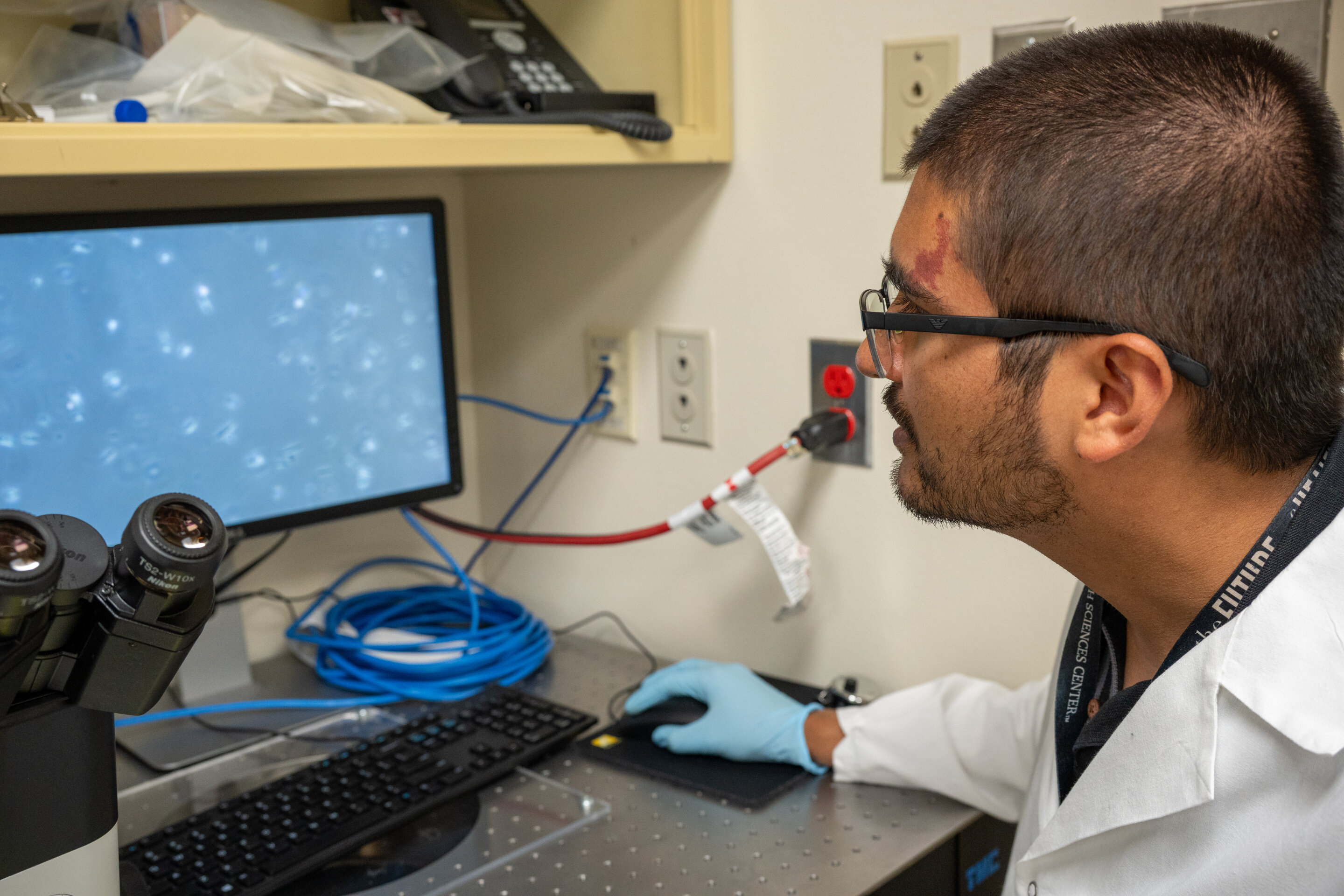
, an associate professor at the Texas Tech University Health Sciences Center (TTUHSC) School of Medicine Department of Cell Biology and Biochemistry and a faculty member in the Graduate School of Biomedical Sciences, has been researching the Leishmania parasite for years.
Source link





