
This article has been reviewed according to Science X's editorial process and policies. Editors have highlighted the following attributes while ensuring the content's credibility:
Lipodystrophy is a serious metabolic disease characterized by abnormal lipid storage in the body. In people with this condition, ingested fats are not stored in adipose tissue as they are in healthy individuals, but are instead deposited in the liver, muscle tissue or the heart muscle, among other places, with far-reaching metabolic consequences such as fatty liver or type 2 diabetes. The visible redistribution of fat in the body and the other symptoms are very distressing for patients. The causes of the disease may include a congenital gene mutation, an immune disorder or an infection.
It has previously been demonstrated that caveolae—small plasma membrane invaginations—may play a role in the development of lipodystrophy. Researchers have identified mutations in certain genes (Caveolin1 and Cavin1) in patients diagnosed with lipodystrophy. However, the exact mechanisms at work within the cells remain largely unknown.
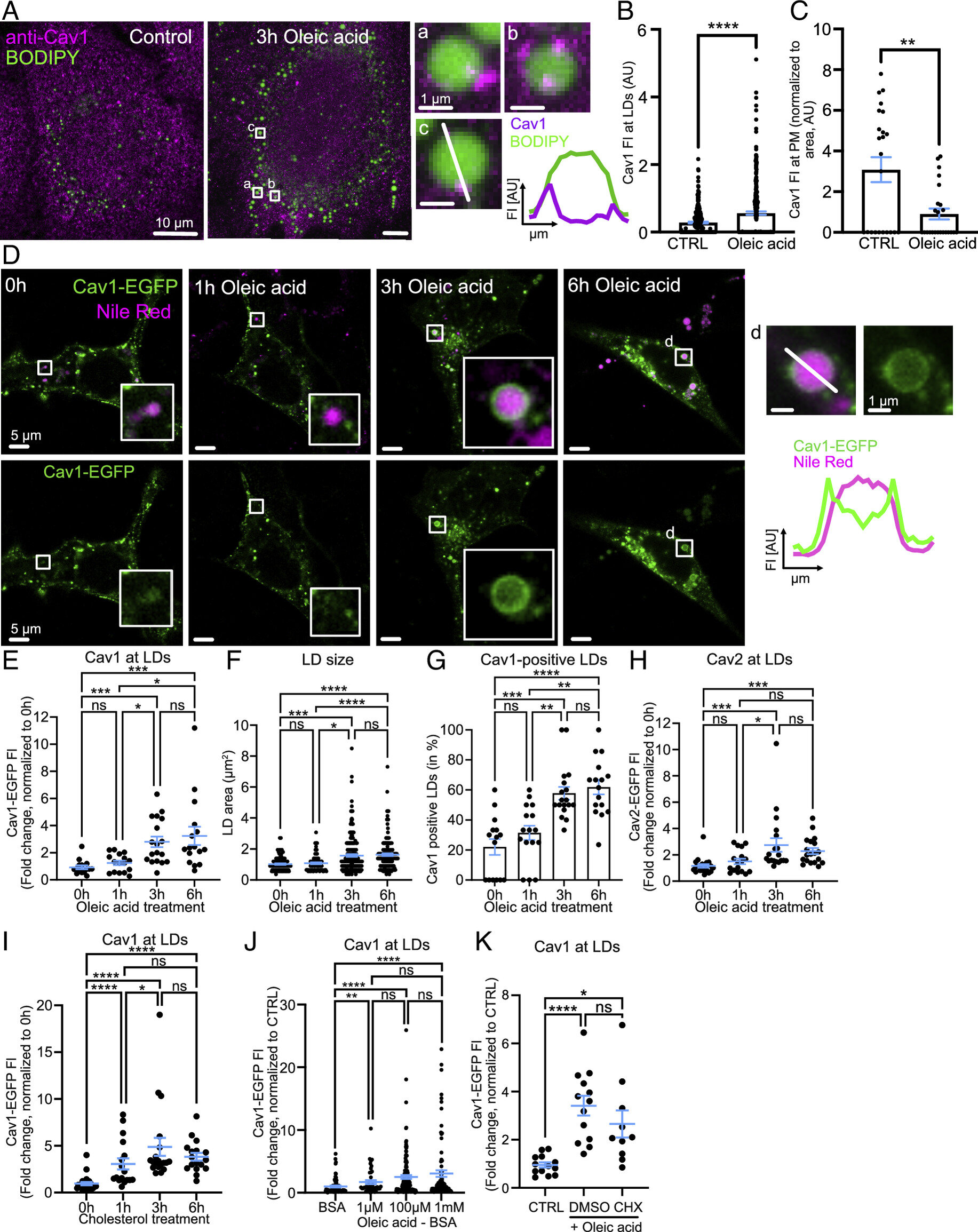
A research team from the University of Potsdam and the Leibniz-Forschungsinstitut für Molekulare Pharmakologie has now shown that caveolin-1 plays a key role in the growth of cellular lipid droplets and, consequently, in cellular lipid storage. The study is published in the journal Proceedings of the National Academy of Sciences.
"We were able to identify a previously unknown transport pathway within the cells that connects caveolae on the plasma membrane to lipid droplets via an intracellular sorting station," says Claudia Matthäus from the Institute of Nutritional Science of the University of Potsdam, corresponding author of the study.
Source link





