
This article has been reviewed according to Science X's editorial process and policies. Editors have highlighted the following attributes while ensuring the content's credibility:
Australian researchers and clinicians have developed an AI-powered thermal imaging tool to predict if diabetes-related foot ulcers are likely to heal, potentially reducing hospitalizations and amputations.
Diabetes affects over 500 million people globally and about a third will develop a foot ulcer during their life, which can lead to infection, hospitalization and amputation if not managed appropriately.
Clinical guidelines assess progress over the first four weeks of treatment to determine whether an ulcer is healing.
Now a study in the Journal of Diabetes Science and Technology introduces a new smartphone-based AI tool, called THERMUL, that provides clinicians with an indication of healing risk much earlier, using thermal images captured when a patient first presents for care.
The researchers from RMIT University, the University of Melbourne and aged care health provider Bolton Clarke conducted a clinical study at Austin Health and St Vincent's Hospital Melbourne involving 110 patients with diabetes-related foot ulcers.
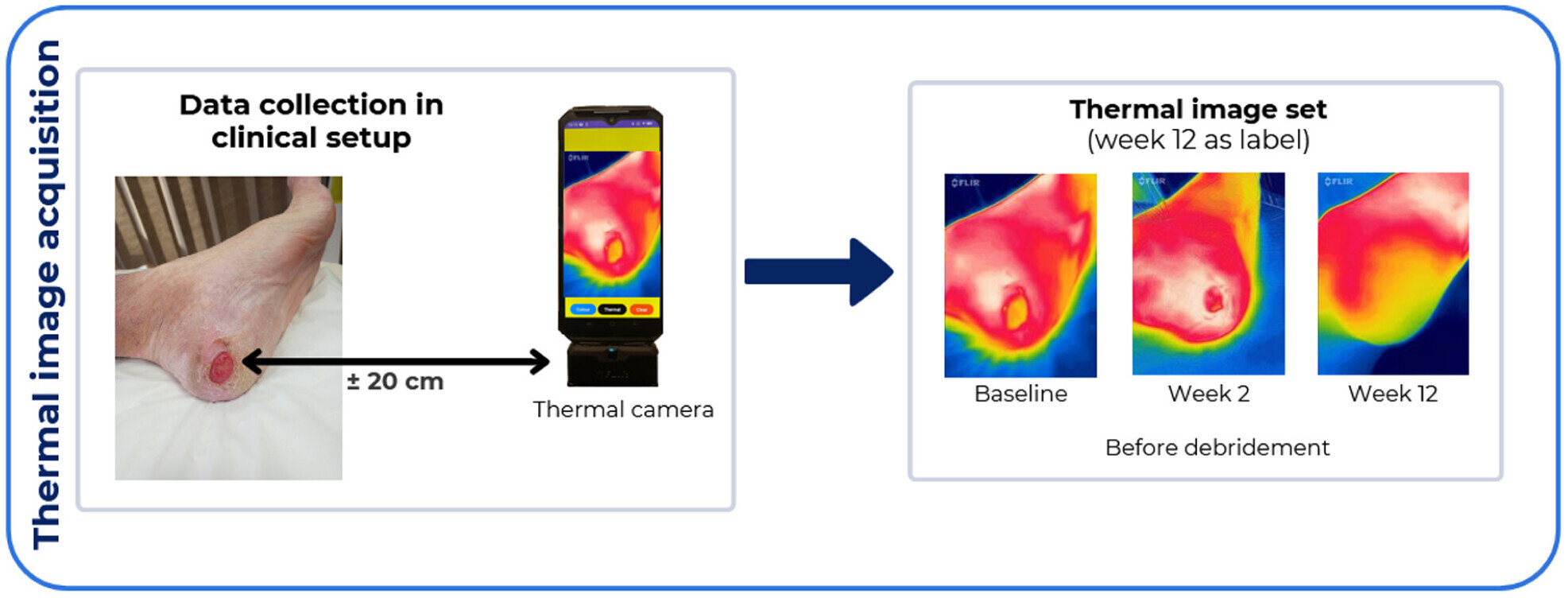
Using a lightweight thermal camera, researchers took images of the patients' ulcers when they initially presented to the clinic, with additional images captured two and four weeks later.
At 12 weeks, clinicians assessed whether each ulcer had healed, allowing the research team to compare healing outcomes with the thermal image data collected earlier.
RMIT's Professor Dinesh Kumar led the development of THERMUL with endocrinologist Professor Elif Ekinci, head of the University of Melbourne's Department of Medicine.
Source link





