This article has been reviewed according to Science X's editorial process and policies. Editors have highlighted the following attributes while ensuring the content's credibility:
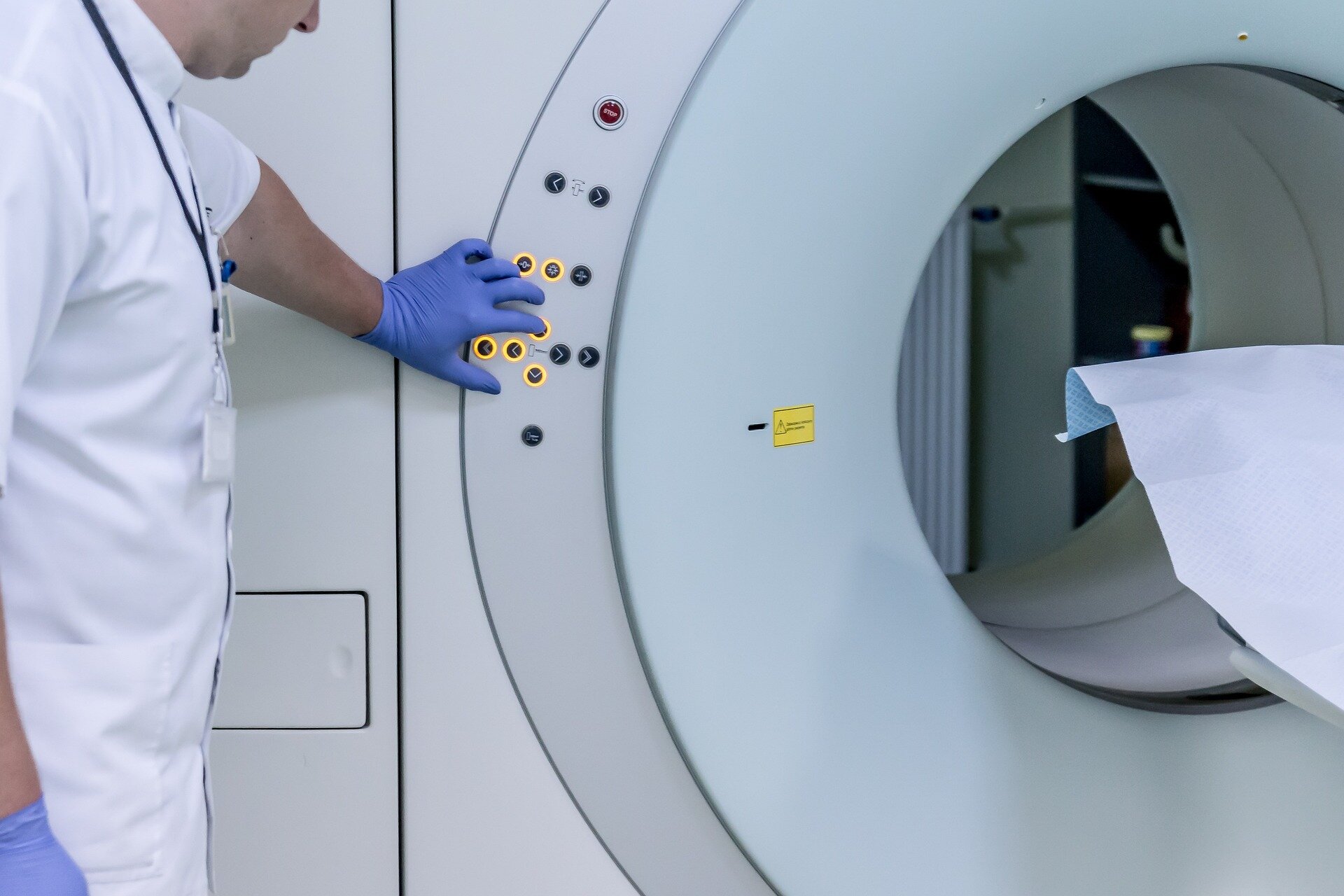
The first study to examine how imaging facilities perform on the new Medicare "ExRad" measure shows that radiation doses used for the same type of CT scan vary widely from one facility to the next.
The study, "Early Implementation Performance of the CMS Electronic Clinical Quality Measure for Excessive Radiation Dose or Inadequate Image Quality in Diagnostic Computed Tomography: An Evaluation of 254 Facilities," published in the Journal of the American College of Radiology (JACR), examines how facilities perform on the ExRad measure, a Medicare quality measure that evaluates whether a CT scan used more radiation than necessary for the patient's indication or produced images too noisy to interpret.
The study covers 254 hospitals and imaging practices and 783,634 adult CT scans over 16 months.
Study findings reveal that nearly one in three scans (30.7%) exceeded the radiation threshold for its exam type, while almost none (0.06%) fell short on image quality—meaning the improvement opportunity is in dose, not picture quality.
Facility scores ranged from less than 1% to more than 90% of scans out of range for using excessive dose. Most facilities performed well on some types of CT and poorly on others, with a typical gap of 74 percentage points between a facility's best and worst exam category.
, professor in residence of epidemiology and biostatistics and obstetrics, gynecology and reproductive medicine at the University of California, San Francisco, while CT scans are essential to modern medicine, exams in excess of the recommended threshold may carry a small radiation-related lifetime cancer risk .
Source link