This article has been reviewed according to Science X's editorial process and policies. Editors have highlighted the following attributes while ensuring the content's credibility:
A new study by researchers at the University of California San Diego School of Medicine sheds light on the role of breast milk in supporting intestinal development and preventing hyperbilirubinemia, a condition in which bilirubin, a waste product from broken-down red blood cells, builds up in the blood and causes yellowing of the skin and eyes known as jaundice.
In an animal model of neonatal hyperbilirubinemia, the scientists discovered that a sugar found in breast milk called 3'-sialyllactose (3'SL) supports intestinal cell maturation and bilirubin processing. The researchers found that losing this sugar disrupts cellular signaling and maturation, highlighting a potential long-term role in gut health.
Neonatal hyperbilirubinemia, commonly known as infant jaundice, affects up to 60% of term infants and 80% of preterm infants. In most cases, the disease is mild and goes away on its own, but when bilirubin rises too high or persists too long, it can cross the blood-brain barrier and lead to long-term neurological consequences.
Breastfed infants can also develop prolonged unconjugated hyperbilirubinemia, often referred to as breast milk jaundice. Breast milk jaundice is thought to be caused by a combination of slower milk intake in the first days of life and factors related to milk composition. However, scientists are still working to understand how bioactive components of breast milk influence bilirubin metabolism.
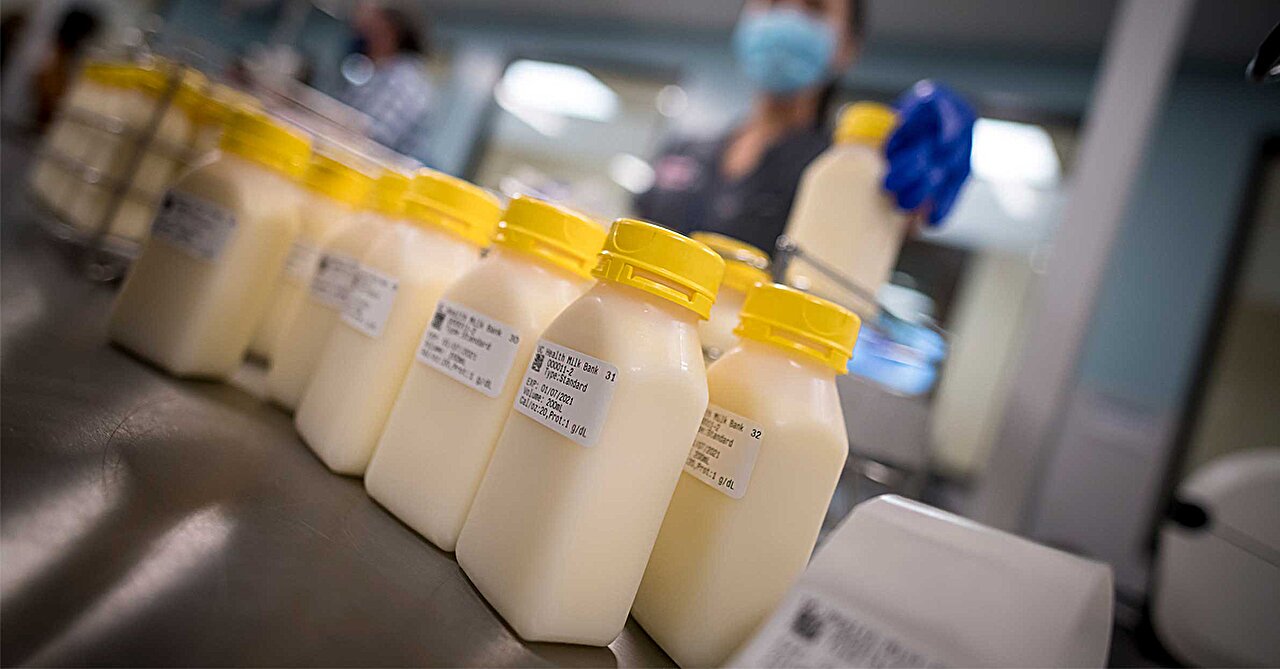
To explore these questions, the researchers worked with scientists at UC San Diego's Human Milk Institute to analyze the gut-health effects of specific sugars found in breast milk.
Source link