This article has been reviewed according to Science X's editorial process and policies. Editors have highlighted the following attributes while ensuring the content's credibility:
Your heart may beat 3 billion times or more over a long lifetime. Across 75 years or longer, it carries on without a thought while you sleep, work and exercise.
Behind this familiar rhythm is an extraordinary feat of electrical coordination. With each beat, a signal travels through the heart muscle in a precisely coordinated sequence, telling the chambers when to contract. If that coordination breaks down severely enough to stop effective pumping, a person can lose consciousness within seconds and die within minutes.
New research published in the Proceedings of the National Academy of Sciences by Virginia Tech researchers suggests that heart muscle cells have another way to pass electrical signals from one cell to the next, beyond the direct connections that have dominated scientific understanding for more than half a century.
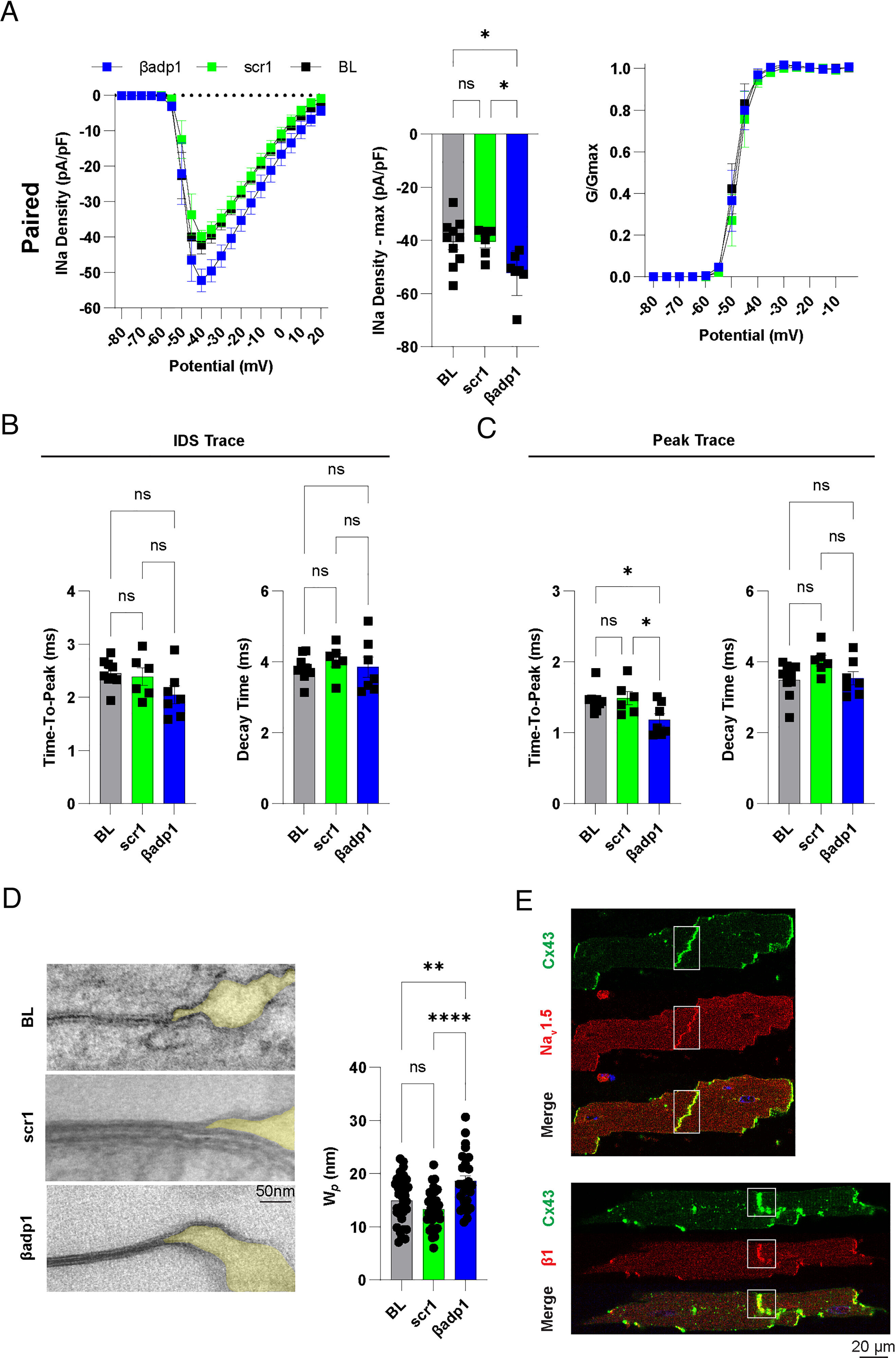
Those direct connections, called gap junctions, are microscopic channels that allow electrical current to pass from one cell's interior into the next. But the new findings support the existence of an additional electrical relay involving sodium channels and the perinexus—a nanoscale space where neighboring heart muscle cells meet.
Xiaobo Wu, a postdoctoral researcher in Robert Gourdie's laboratory at the Fralin Biomedical Research Institute at VTC, led the study, drawing on earlier discoveries by Gourdie's team about the perinexus and how sodium channels are organized within this tiny junction.
Combining experiments on pairs of mouse heart cells at Virginia Tech with computer modeling at The Ohio State University, researchers investigated how direct connections and electrical fields in the narrow space between cells contribute to the transmission of electrical signals.
Source link