
This article has been reviewed according to Science X's editorial process and policies. Editors have highlighted the following attributes while ensuring the content's credibility:
Recent years have brought extraordinary advances in vaccines and treatments that harness our immune systems.
During the COVID-19 pandemic, mRNA vaccines demonstrated how the immune system could be trained to recognize and fight a virus. Meanwhile, in little over a decade, cancer immunotherapy has become a front-line treatment for patients with advanced metastatic disease. Its impact has been profound.
One development has been immune checkpoint inhibitor (ICI) therapy, which helps immune cells recognize and kill cancers. But what if these advances could complement each other?
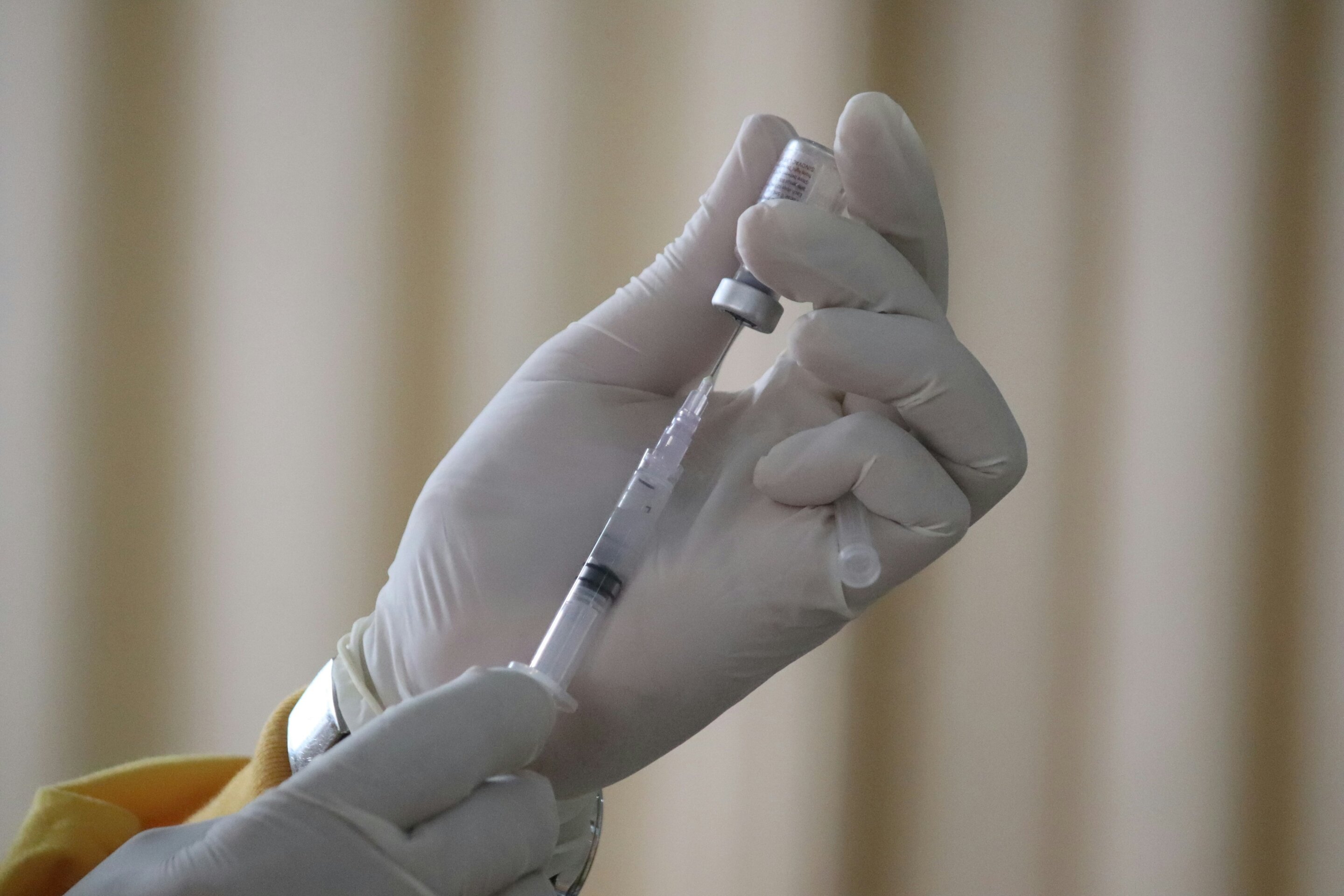
U.S. researchers recently found patients with advanced melanoma or lung cancer who received COVID-19 mRNA vaccines alongside ICI therapy had substantially better survival outcomes than those receiving immunotherapy alone.
The findings suggest vaccination could make existing cancer treatments more effective, although further research is needed.
The origins of cancer immunotherapy date back more than 100 years, to New York surgeon William B. Coley. His treatment involved injecting crude bacterial extracts into patients with massive, inoperable tumors. In some patients, the tumors melted away within weeks.
The mechanism behind Coley's controversial toxins was never understood, largely because little was then known about the immune system itself. But they showed the potential for the immune system to recognize and kill cancers while leaving normal cells intact.
Modern immunotherapy began in 2011 with the approval of the first immune checkpoint inhibitor drug, ipilimumab (Yervoy), followed in 2014 by pembrolizumab (Keytruda) for metastatic melanoma.
Source link





