This article has been reviewed according to Science X's editorial process and policies. Editors have highlighted the following attributes while ensuring the content's credibility:
Cancer isn't the leading cause of death in the United States; heart disease ranks first in that regard. But it's cancer that strikes fear into the hearts of many Americans.
Cancer can take an excruciating toll on its millions of victims and their family members. Cancer treatments are often highly toxic, and the disease is increasingly striking people at younger ages, which is why it accounts for more years of potential life lost than heart disease.
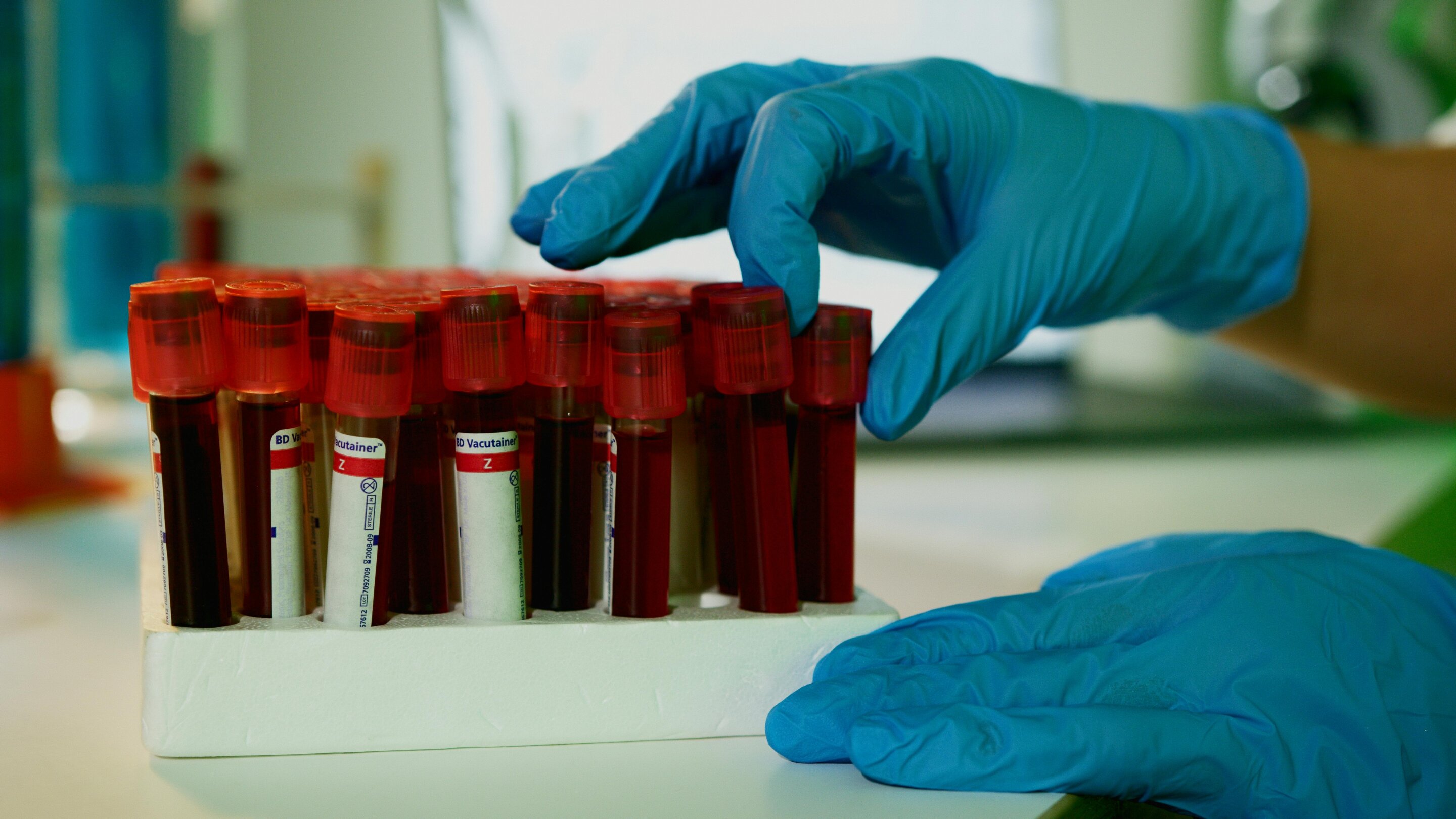
So when a blood test comes along that claims to be able to screen for over 50 cancers at once in a single blood draw before symptoms appear—as is the case for the Galleri test, by the biotech company GRAIL—it might seem like society has a holy grail of modern medicine at its fingertips.
But a closer look at the evidence suggests that the Galleri test is not yet the universal screening breakthrough patients and doctors hope for.
As a physician who studies early cancer detection, and as chair of the American Cancer Society's screening guideline development group, I have been following this test's development with interest.
While the Galleri test certainly shows great promise, clinical trial data indicate that it struggles with early-stage cancer detection and has not yet been shown to lower the risk of death from cancer or prevent advanced cancer. Across all cancer stages, the test missed over two-thirds of cancer cases.
Source link