
This article has been reviewed according to Science X's editorial process and policies. Editors have highlighted the following attributes while ensuring the content's credibility:
Newly developed biomarkers may enhance clinicians' ability to detect and treat disorders of the nervous system, including Alzheimer's disease, mood disorders and neurodevelopmental conditions. The findings were presented at Neuroscience 2026, the annual meeting of the Society for Neuroscience.
Neurological and psychiatric conditions affect billions of people worldwide and are a leading cause of disability. Biological markers, or biomarkers, could help doctors better diagnose and treat these diseases. The use of biomarkers is now commonplace in fields such as cancer biology, cardiovascular disease and genetic disorders.
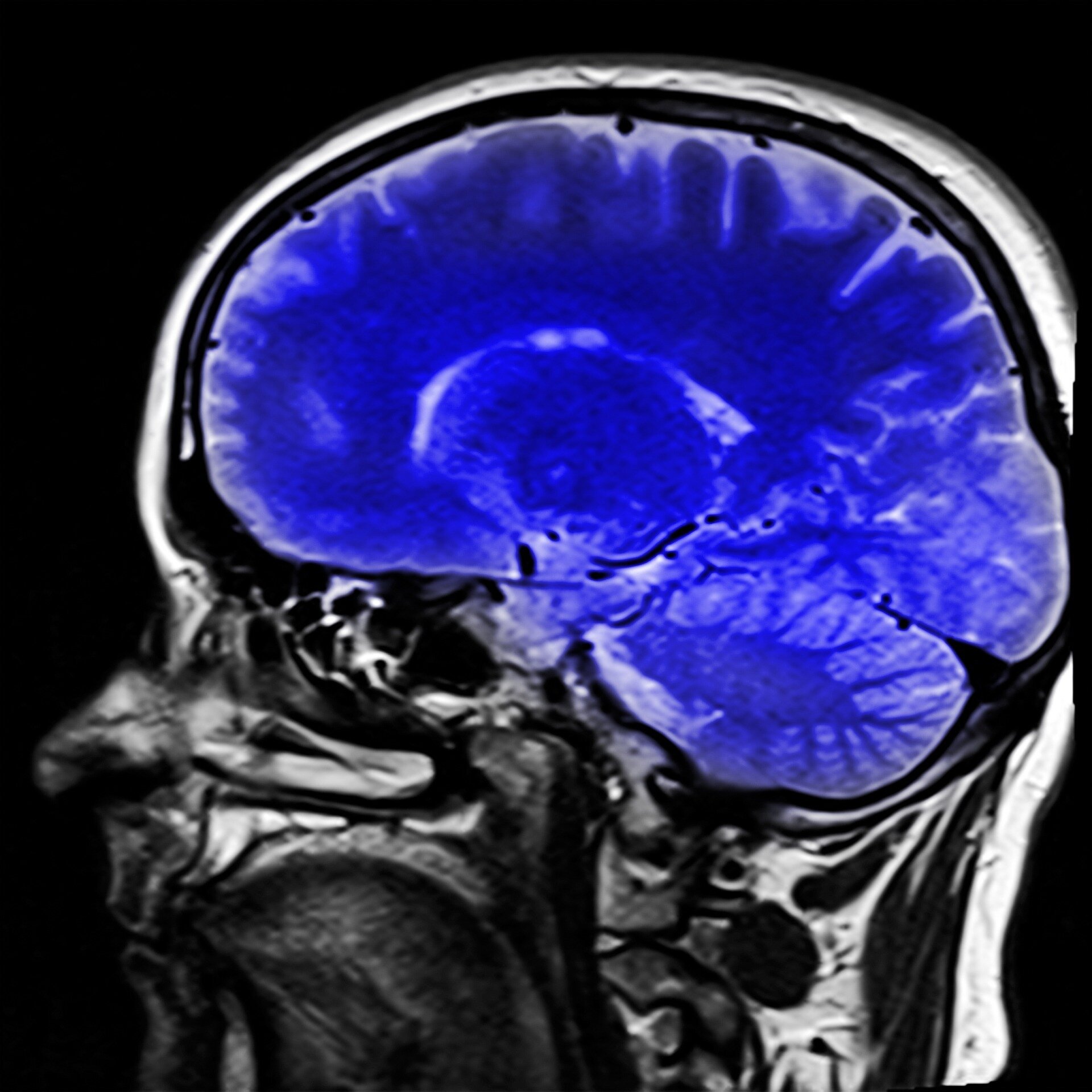
However, the complex biology of the nervous system has been a challenge in the development of biomarkers for brain disorders. New research is advancing efforts to understand, detect and treat neurological and psychiatric disorders with biomarkers such as brain imaging measures, substances in the blood, genetic changes and subtle motor signs that may escape visual observation.
"Biomarkers and outcome assessments are essential tools for improving diagnosis, prognosis and monitoring disease progression and treatment response," says Carol Taylor-Burds, Ph.D., a program director in the National Institute of Neurological Disorders and Stroke (NINDS) Division of Translational Research for the NINDS Translational Biomarker Program.
"Today's abstracts illustrate how research to identify and develop biomarkers and outcome assessments advances our understanding of the causes and progression of mood disorders, neurodevelopmental conditions, neurodegenerative diseases and healthy cognitive aging."
Source link





