This article has been reviewed according to Science X's editorial process and policies. Editors have highlighted the following attributes while ensuring the content's credibility:
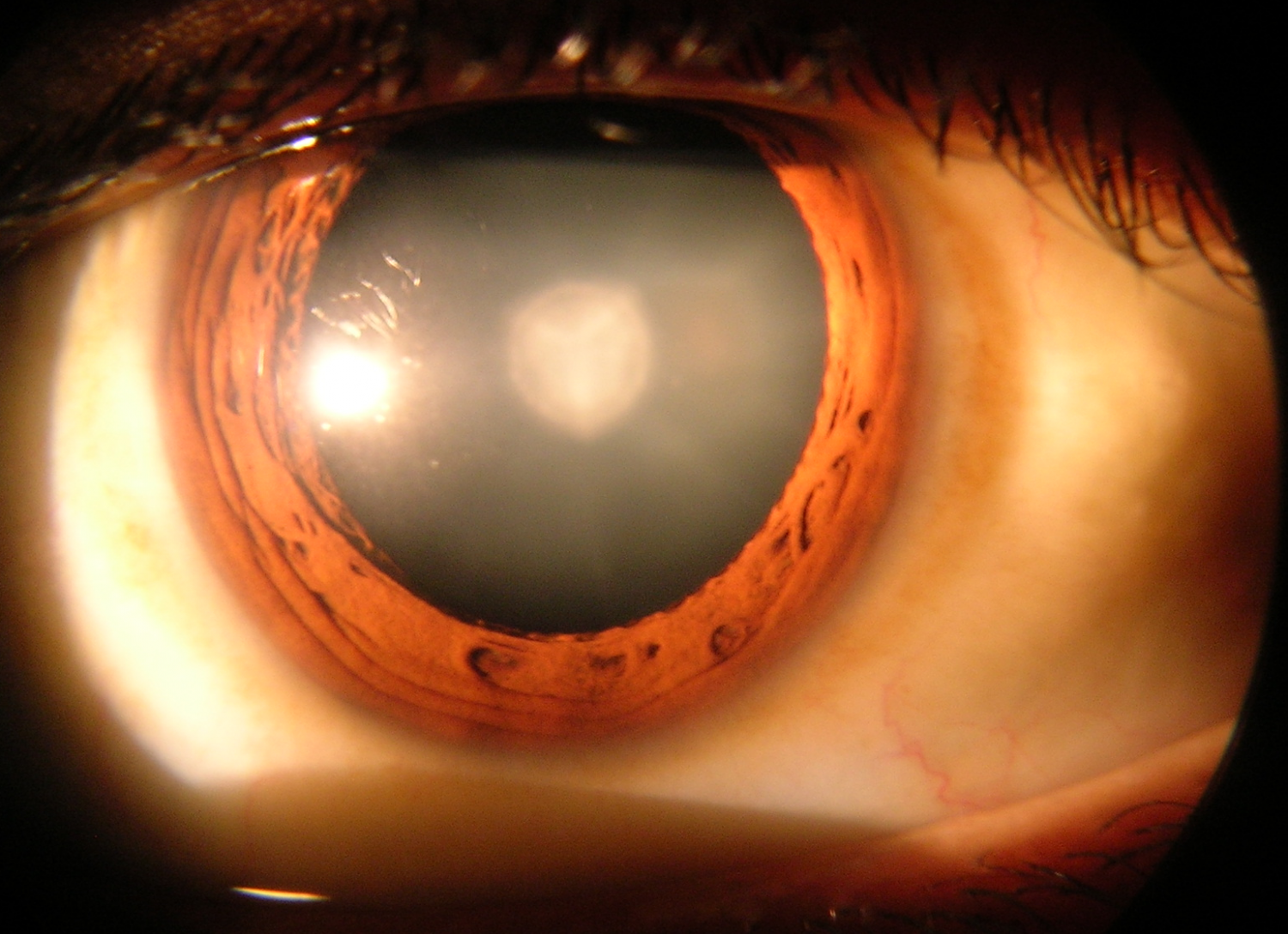
Millions of people in the U.S. are affected by diabetic retinopathy, a complication of diabetes that affects the eyes. The condition is caused by damage to the blood vessels in the retina, the light-sensitive tissue at the back of the eye. At first, diabetic retinopathy might not cause any symptoms, or the problems might be mild. However, if the underlying diabetes remains poorly managed, it can lead to blindness.
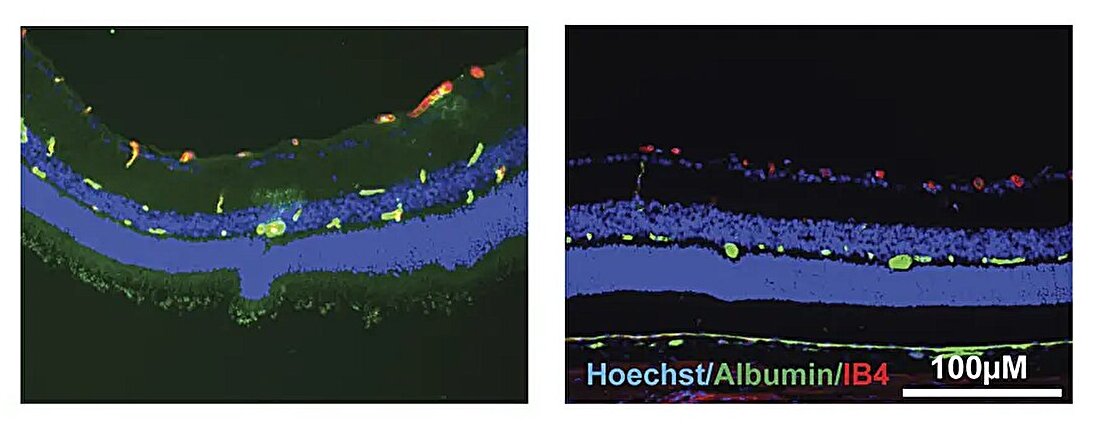
In a new study, University of Michigan researchers showed that treatment with the molecule norrin can prevent vision loss in diabetic rats. The study is published in the journal Diabetes.
Current therapies for diabetic retinopathy target vascular endothelial growth factor, or VEGF, a protein that causes new blood vessels to form.
VEGF also increases blood vessel permeability, or the capacity to allow water and nutrients to move in and out of the bloodstream into tissues.
In patients with diabetic retinopathy, excess VEGF causes abnormal blood vessel growth and leakage, both of which lead to vision loss.
Although anti-VEGF agents are commonly used to treat diabetic retinopathy, treatment requires several injections and fails to fully manage the condition in half the treated patients.
, Roger W. Kittendorf research professor of ophthalmology and visual sciences at Kellogg Eye Center.
Source link