This article has been reviewed according to Science X's editorial process and policies. Editors have highlighted the following attributes while ensuring the content's credibility:
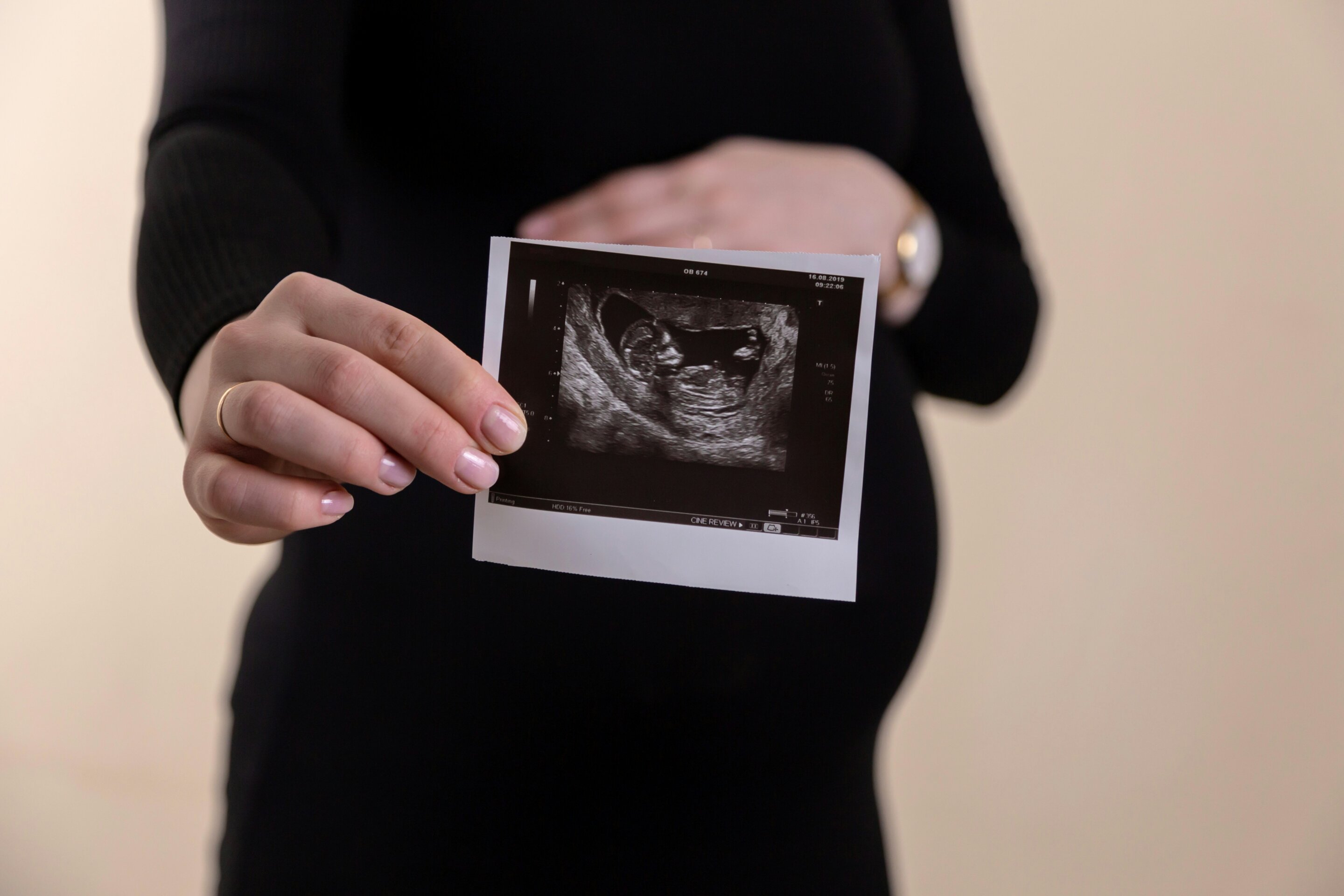
Pregnancy is a period of change and adaptation, characterized by psychological and neurobiological changes associated with the transition to motherhood and the development of caregiving behaviors. One of the central aspects of this process is maternal-fetal attachment (MFA), the emotional bond between a pregnant woman and her unborn baby, reflected in her thoughts, feelings and behaviors toward the fetus.
MFA is a multidimensional phenomenon, ranging from the pregnant woman's attention to changes in her body and fetal movements to interactions with the fetus, the ability to imagine the baby and anticipate life together, and the motivation to adopt behaviors that promote the baby's health and well-being.
Previous research suggests that higher levels of maternal-fetal attachment during pregnancy are associated with stronger postnatal bonding, more sensitive maternal behavior and more responsive mother-infant interactions after birth. However, despite decades of research on MFA, its neurobiological basis remains poorly understood.
Against this backdrop, Kathy Ayala and Helena Rutherford from Yale University in the United States, along with their colleagues, conducted a study, involving 35 women in their third trimester of pregnancy (mean gestational age: 36.8 weeks). Participants underwent a resting-state electroencephalogram (EEG). From these recordings, the researchers analyzed brain signal coherence, a well-established measure of connectivity between regions of the cortex that has been associated with cognitive, attentional and emotional processes relevant to parenting.
Using the EEG data, the researchers calculated alpha-band coherence across intra-frontal, intra-parietal and frontoparietal regions.
Source link