
This article has been reviewed according to Science X's editorial process and policies. Editors have highlighted the following attributes while ensuring the content's credibility:
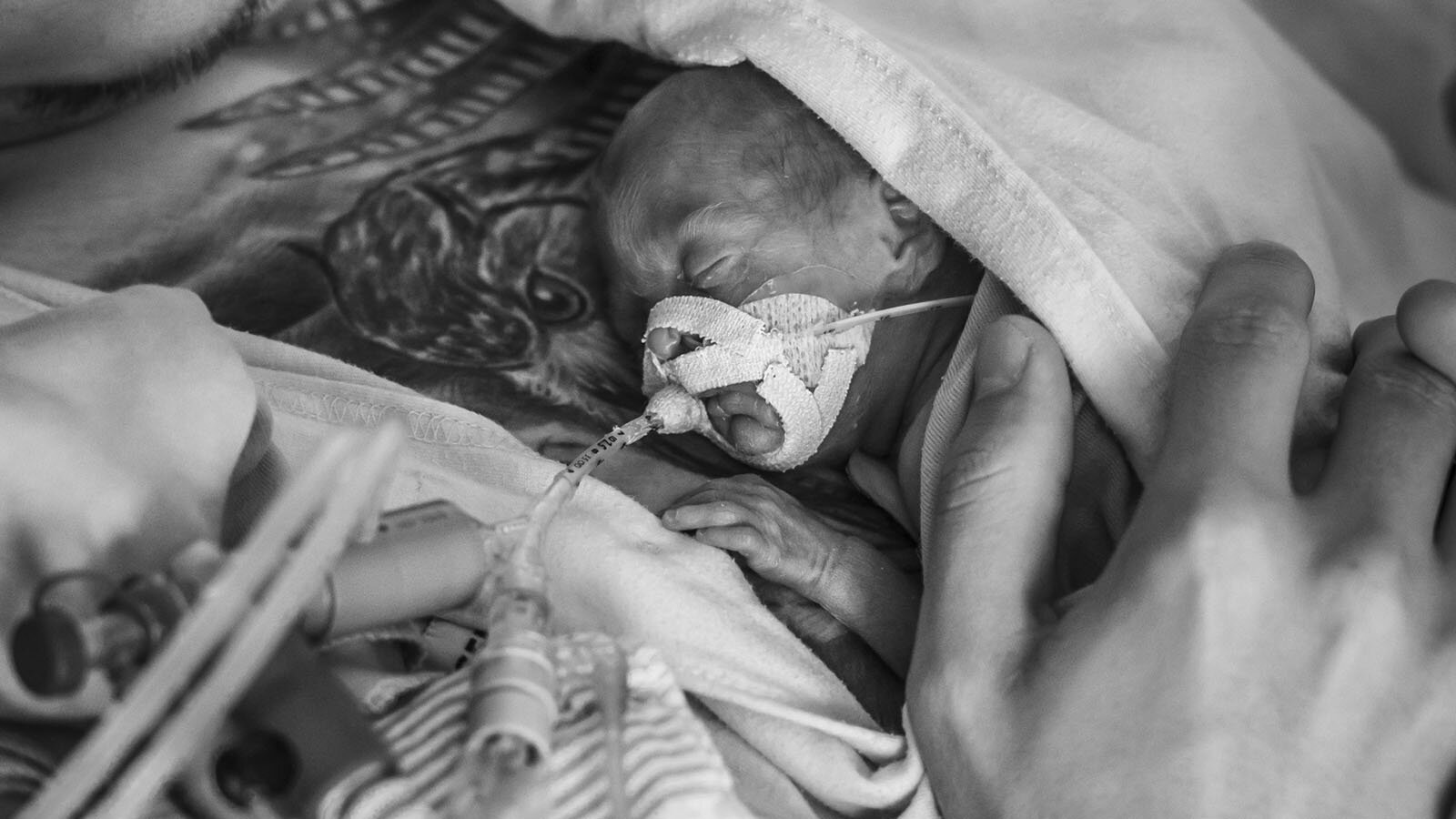
How do things go for people born with extremely low birth weight? A new Swedish study shows that most of them are leading independent lives, participate in work or education, and have established relationships by the time they reach their late 20s. At the same time, slightly fewer have moved out of their parents' home, entered the labor market or ever been in a romantic relationship compared with people born following a full-term pregnancy.
Advances in neonatal care mean that today significantly more babies born with an extremely low birth weight survive. At the same time, premature birth carries an increased risk of health problems that can affect the individual well into adulthood.
In a new Swedish national study, researchers have investigated how well people born prematurely transition into adult life. They assessed the journey into adulthood on the basis of six key markers: independent living, employment and education, romantic relationships, friendships and parenthood.
"We can see that the vast majority of young adults born with an extremely low birth weight lead independent lives, participate in work or education, and have established relationships. At the same time, the transition to adulthood can present greater challenges, particularly for those with disabilities and for those born at the earliest gestational ages," says Maria Heyman, a pediatrician and doctoral student at the Department of Women's and Children's Health.
Source link





