This article has been reviewed according to Science X's editorial process and policies. Editors have highlighted the following attributes while ensuring the content's credibility:
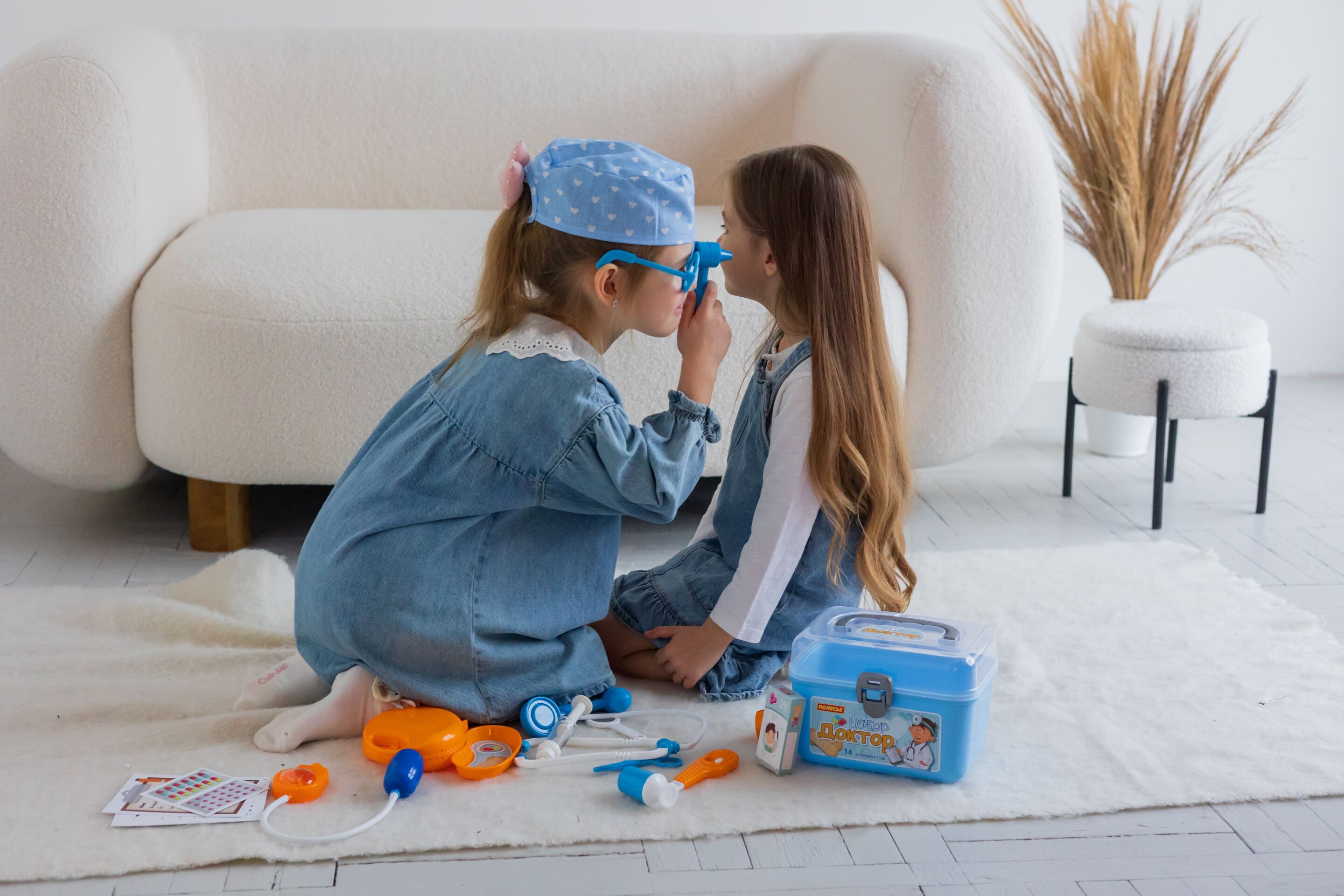
It's 7 p.m. on a Saturday in an urgent care center. A 10-year-old boy is "really sick" with severe tonsillitis and clearly needs antibiotics. Just before I (Rebecca Payne) head out to find a suitable medicine, I ask his mother: "Does he have any allergies?"
"Yes," she says. "He can't have penicillin or anything ending in -mycin."
Finding the right treatment is going to be difficult. Penicillin and clarithromycin are the first-choice antibiotics for tonsillitis, and the alternatives are not recommended as first-line treatments. With an unwell child and a worried mother, this is not the ideal moment to investigate an allergy history that goes back years.
This scenario is a surprisingly common problem. Around one in 20 children in the U.S. has a penicillin allergy recorded in their medical notes. Yet research suggests most children labeled as allergic to penicillin are not truly allergic.
In our recent article in the British Journal of General Practice, we explain how general practitioners can identify children who may have been wrongly labeled as allergic and remove inaccurate entries from their medical records. A structured conversation with families about what happened when the allergy was first recorded can help establish whether the child really had an allergic reaction.
Many childhood antibiotic allergy labels begin during viral infections. Viruses can cause rashes that appear while a child is taking antibiotics.
Source link