
This article has been reviewed according to Science X's editorial process and policies. Editors have highlighted the following attributes while ensuring the content's credibility:
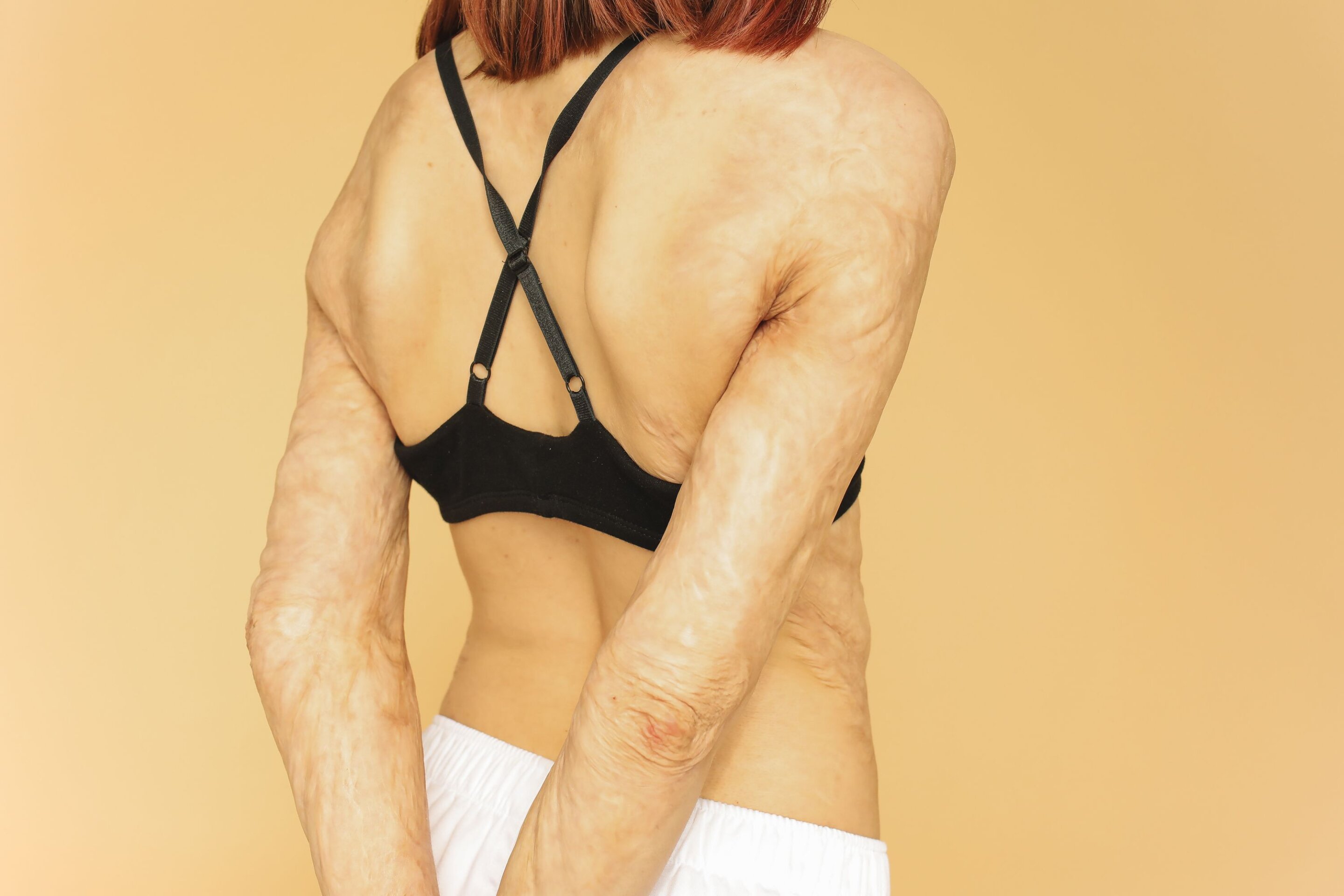
Morphea is associated with excess cancer incidence, according to a study published online Nov. 11 in JAMA Dermatology.
Jessica Muha, from McGill University in Montreal, and colleagues examined whether patients with morphea have an increased risk of cancer compared to the general population and patients with systemic sclerosis (SSc). The analysis included 6,181 patients with morphea and 8,133 patients with SSc identified from Canadian administrative health databases (1996 to 2019 with follow-up through 2020).
The researchers found that during the study period, 12.65% of patients with morphea and 13.57% with SSc developed cancer, yielding an increased overall cancer incidence (morphea: standardized incidence ratio [SIR], 1.24; SSc: SIR, 1.37). In both cohorts, solid tumor risk was elevated (morphea SIR, 1.17; SSc SIR, 1.21). Hematologic cancer risk was only significantly elevated in patients with SSc (SIR, 2.40; 95% confidence interval [CI], 1.92 to 2.96) but not those with morphea (SIR, 1.34; 95% CI, 0.97 to 1.81).
In the morphea group, female reproductive and breast cancers predominated, while lung cancer was most frequent among patients with SSc. The highest relative risk was seen in younger patients. Immunosuppressant use was associated with lower cancer risk in both cohorts (morphea: hazard ratio [HR], 0.56; SSc: HR, 0.63).
"These findings suggest that morphea, like SSc, is associated with excess cancer incidence and merits oncologic attention, despite historically receiving little investigation," the authors write.
Source link





