This article has been reviewed according to Science X's editorial process and policies. Editors have highlighted the following attributes while ensuring the content's credibility:
Mobile app-based monitoring may help address the vulnerable days and weeks after surgery when recovery shifts from the hospital to home with little direct supervision. Patients using mobile apps had a lower risk of serious complications, emergency room visits and readmissions after surgery, but the benefits depended on physician or other clinician involvement, rather than the technology alone, according to research presented at the Anesthesiology 2026 annual meeting.
"Just using an app may not make recovery safer," said Mouad Elganga, B.S., lead author of the study and a medical student at the Temerty Faculty of Medicine, University of Toronto.
"The biggest benefit occurs when a clinician is actually reviewing what patients send and can act on it. Patients should ask: 'Who is looking at this information, how quickly will they respond and what happens if something looks wrong?'"
The study authors analyzed 38 studies involving 7,507 patients to determine whether mobile app-based home monitoring improved recovery after surgery.
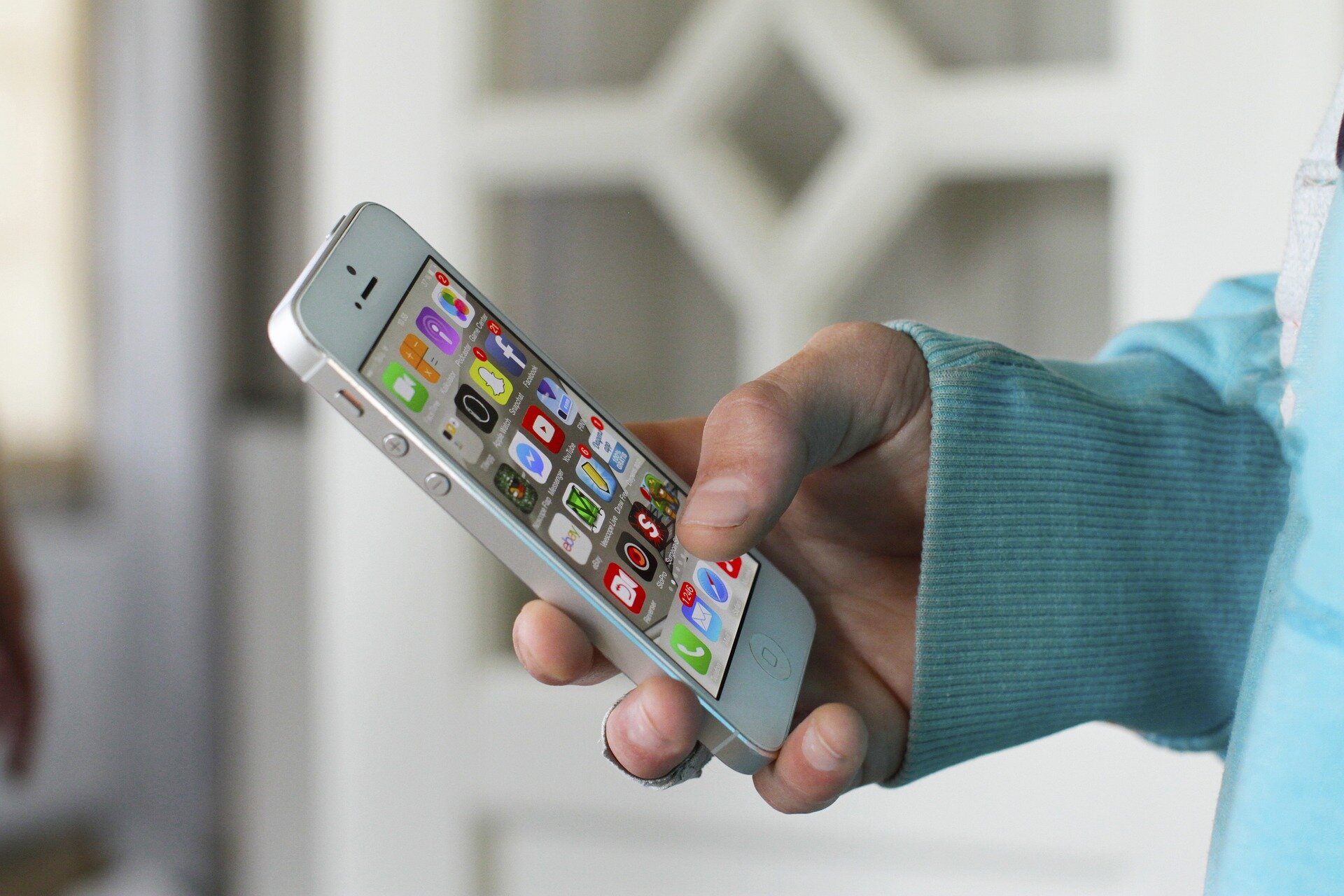
The programs varied, but most asked patients to complete daily check-ins on a smartphone or web portal, reporting symptoms such as pain, fever, nausea and wound appearance. Some programs also used wearable fitness trackers or Bluetooth-enabled devices such as blood pressure cuffs, thermometers or pulse oximeters, which measure blood oxygen levels.
Patients also reported less pain and anxiety, better physical function, improved quality of life and greater satisfaction.
Source link