This article has been reviewed according to Science X's editorial process and policies. Editors have highlighted the following attributes while ensuring the content's credibility:
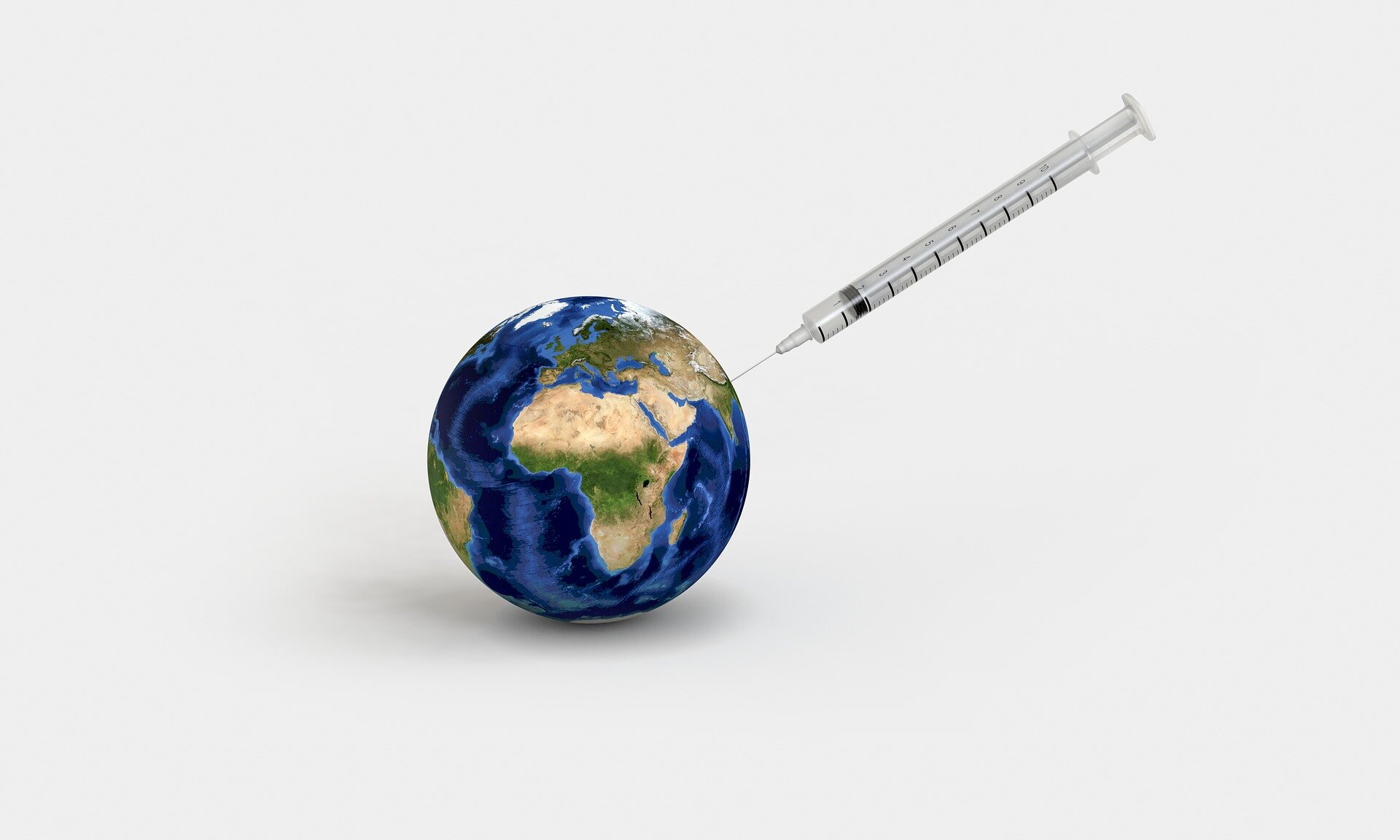
Worldwide about 13.5 million children have never received a vaccine at all. These are known as zero-dose children. Reaching them is central to the Immunization Agenda 2030, a global drive to ensure that everyone has access to the vaccines they need. Gavi, the vaccine alliance, has built its strategy around finding and reaching them.
Reaching zero-dose children starts with knowing where they are: putting them on a map.
Geographers offer a starting point—the first law of geography is that objects closer to another are more alike than those further apart. This principle underpins geospatial health, the study of how where people live shapes their health. If we know something about one place, we can often infer the same thing about its neighbors. This includes how many unvaccinated children live in areas surveys haven't reached.
We are part of the REACH-OUT team, a project which aims to develop cost-effective strategies to deliver vaccines to zero-dose children. Our expertise includes spatial epidemiology, health economics and implementation science.
In a recent study in Vaccine , we assessed how geospatial data and methods are being used to find zero-dose children, and where the gaps are. We reviewed 102 studies across 68 low- and lower-middle-income countries where, according to WHO and UNICEF estimates of immunization coverage , more than 80% of the world's zero-dose children are.
Source link