
This article has been reviewed according to Science X's editorial process and policies. Editors have highlighted the following attributes while ensuring the content's credibility:
Researchers at the Leibniz Research Center for Working Environments and Human Factors Dortmund (IfADo) have investigated whether viral infections, such as the common cold or COVID-19, affect what is known as immune age, which describes how old a person's immune system is compared to their actual chronological age. In a recent study published in Immunity & Ageing, they found that, following full recovery, the immune age had not increased. Any changes observed are only temporary and form part of the natural immune response.
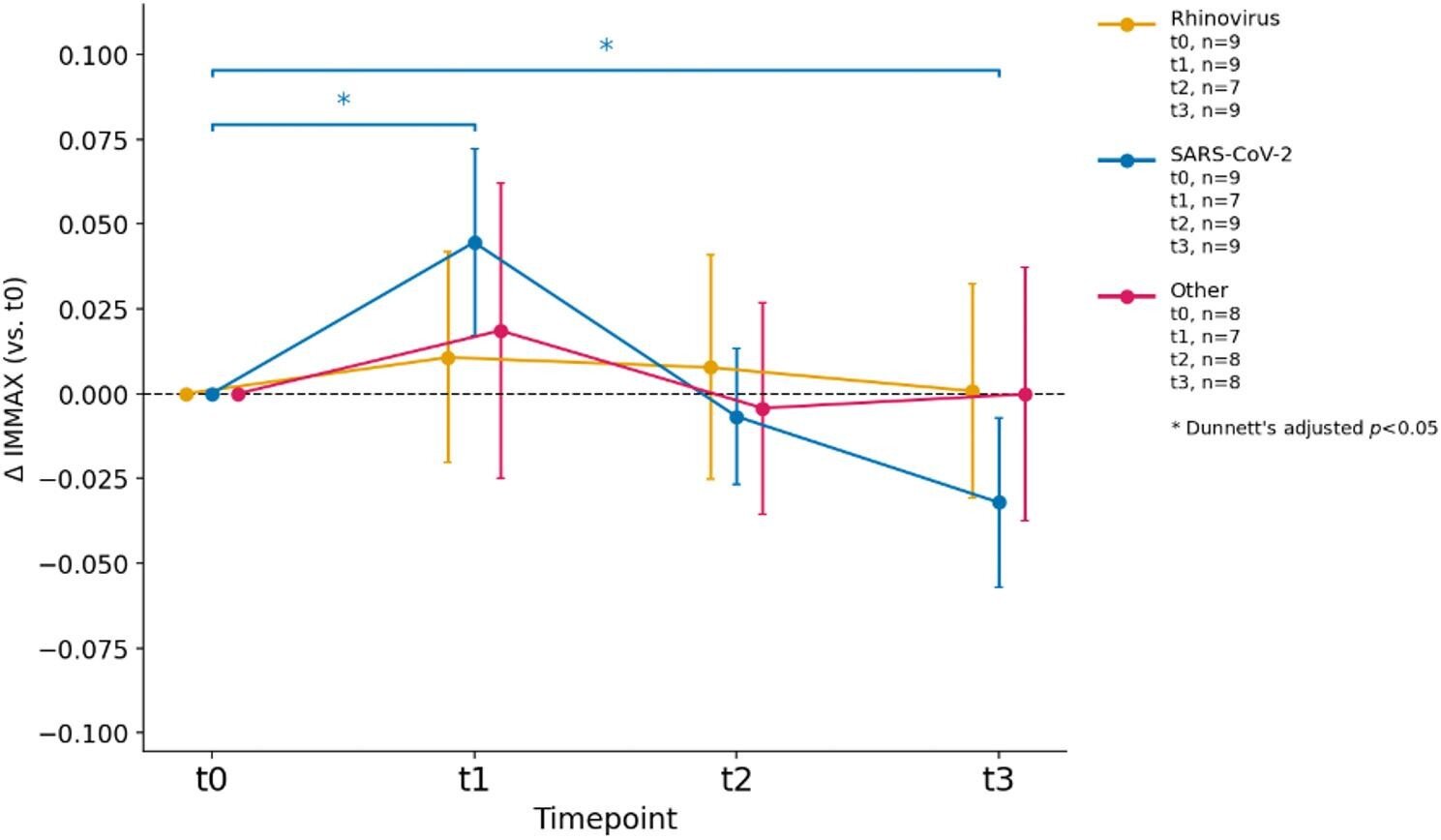
For the study, the researchers used the IMMune Age indeX (IMMAX), a scientific measure that can be determined from a blood sample, to assess the immune age of 77 adults ages 21 to 65. If a respiratory infection occurred within the following six months, blood samples were taken at three different time points: immediately after the onset of symptoms, after one week and four weeks later. The focus was on the immune system's response to acute viral infections, particularly the common cold, flu and COVID-19.
The results show that, four weeks after a mild to moderate viral infection, the immune age returns to its original level following an initial rise. During the acute phase of the illness, the measured value changes only temporarily, as a sign of the immune system's normal activation.
This temporary rise was particularly pronounced in people with a SARS-CoV-2 infection.
Source link





