
This article has been reviewed according to Science X's editorial process and policies. Editors have highlighted the following attributes while ensuring the content's credibility:
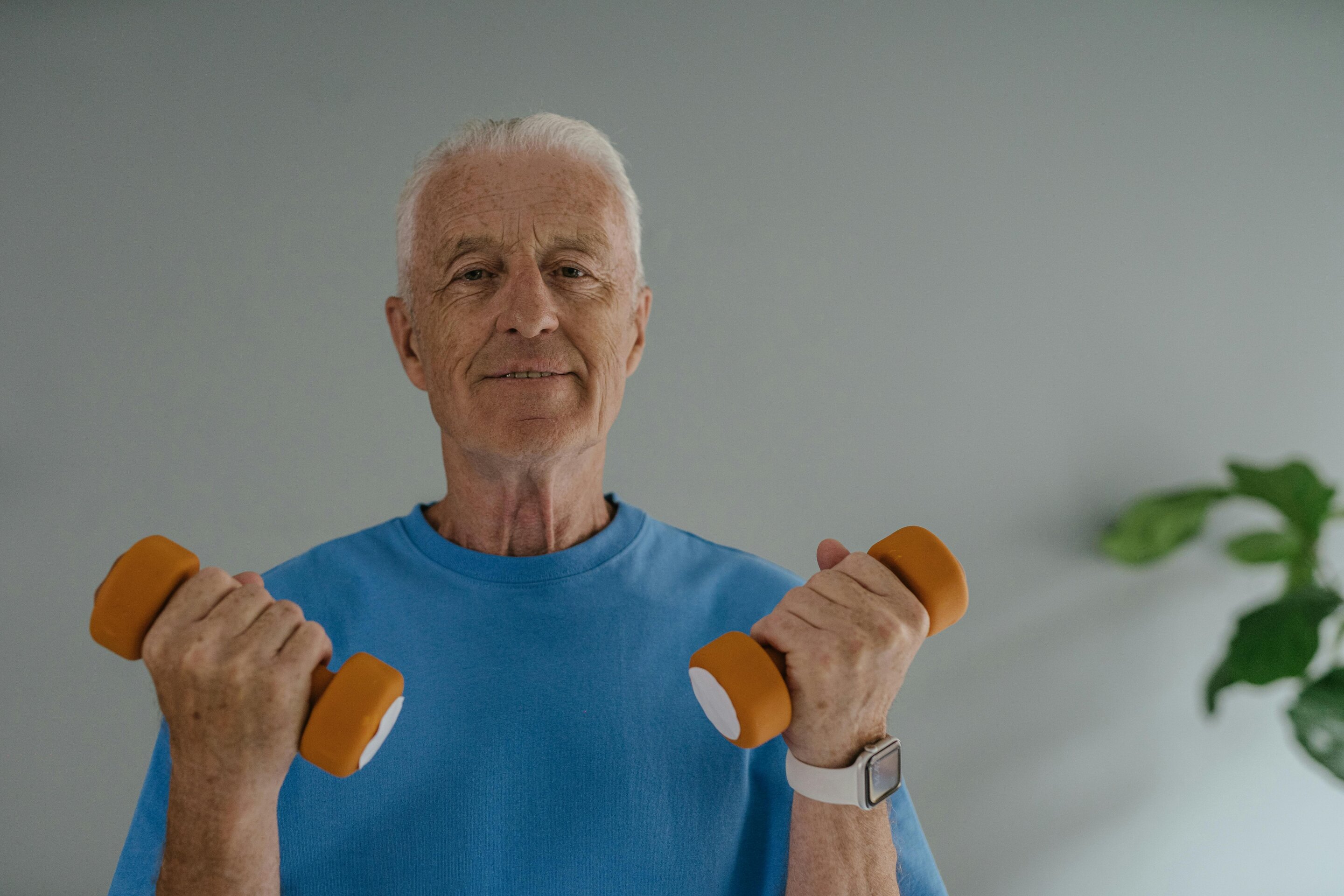
As populations continue to age, creating environments that enable individuals to incorporate regular physical activity into their daily lives is essential for maintaining health and functional independence. Smartphone applications and video-based programs are increasingly being used to support home-based exercise. However, relatively little is known about the types of exercise support and digital media that people prefer to use or whether these preferences differ according to age or residential area.
To investigate these preferences, researchers conducted an online survey of 2,400 individuals across Japan. The survey assessed participants' resistance to using health-related smartphone applications, preferred settings for home-based exercise, preferred types of video content and desired frequency of content updates. The researchers also compared these preferences between highly populated regions (HPRs) and less populated regions (LPRs).
Resistance to using health-related smartphone applications was not significantly associated with participants' age or residential area but was associated with occupation. This finding suggests that demographic characteristics such as age and residential area may not fully explain participants' reluctance to use such applications. Instead, occupational characteristics may be relevant to their attitudes toward health-related smartphone technology.
The survey also showed that independent exercise at home was the most frequently selected exercise option among middle-aged and older adults. Among the available media options, television programs and YouTube were the most frequently preferred sources of exercise content.
Participants also preferred selecting exercise content themselves rather than receiving newly updated videos according to a fixed schedule.
Source link





