
This article has been reviewed according to Science X's editorial process and policies. Editors have highlighted the following attributes while ensuring the content's credibility:
A study led by Aston University's Travé Huarte has shown that a new single six-day treatment for moderate to severe dry eye disease using a modified, windowed amniotic membrane can deliver sustained symptom relief with good treatment compliance.
Dry eye disease affects around a third of adults and is a condition in which the eyes either do not produce enough tears or produce poor-quality tears that do not keep the eye surface properly lubricated. This can lead to symptoms such as gritty, itchy or stinging eyes, watering, redness, sensitivity to light and temporary blurred vision.
Coordinated by Travé Huarte in partnership with tissue therapy company NuVision Biotherapies, the Contralateral Usability Study of Omnigen in Dry Eye (CUSTODY) study involved 33 participants with long-standing, treatment-resistant dry eye disease.
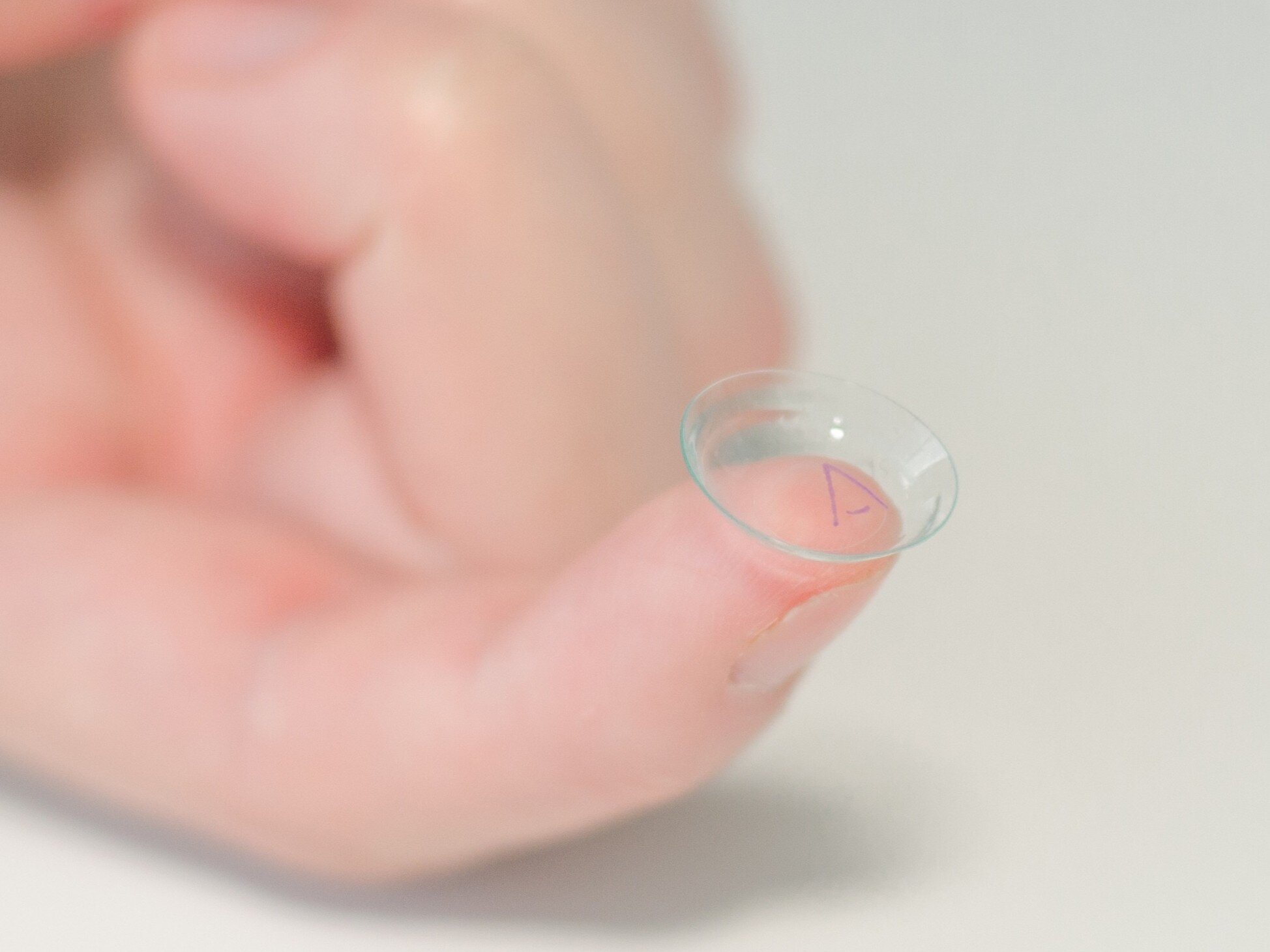
For the treatment, a dehydrated amniotic membrane is placed under a bandage contact lens and acts as a biological patch. The membrane slowly releases natural growth factors and proteins that lower inflammation, aid nerve regeneration and help the surface of the cornea regrow healthy tissue. Meanwhile, the contact lens holds the tissue flat and shields the eye from blinking friction and the environment, and acts as a vehicle to transport the treatment to the eye, preventing it from coming out of the eye.
For this study, the researchers tested a new type of membrane that has a central, clear area uncovered, allowing patients to maintain central vision throughout the treatment period.
Source link





