This article has been reviewed according to Science X's editorial process and policies. Editors have highlighted the following attributes while ensuring the content's credibility:
For the first time, researchers have successfully measured antibodies against specific respiratory viruses in exhaled air. The new study, involving the Karolinska Institutet, was published in eBioMedicine. The method may make it easier to study the immune system in the small airways of the lungs.
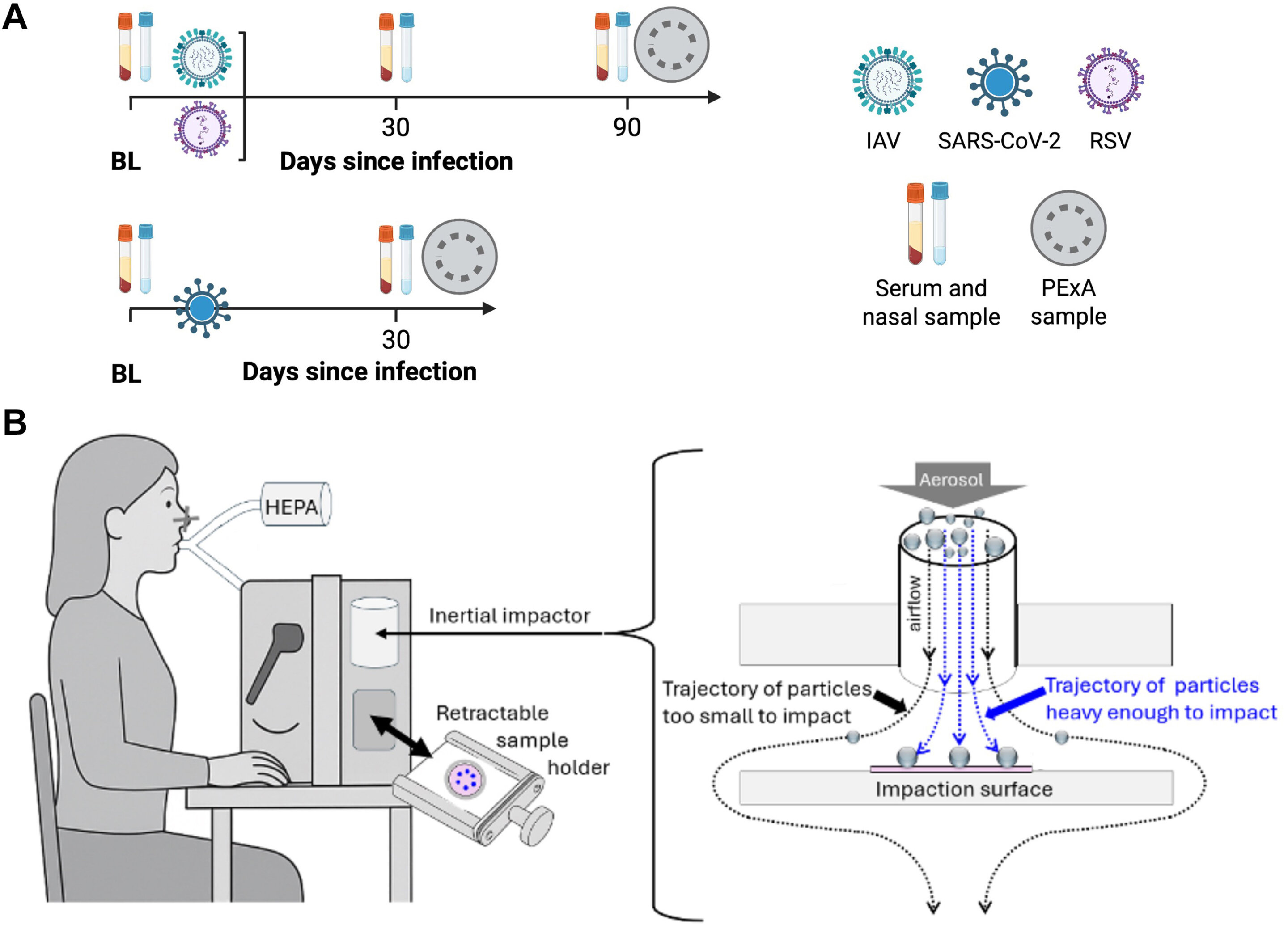
Antibodies in the mucosal lining of the respiratory tract play an important role in protecting against respiratory viruses such as the influenza virus, SARS-CoV-2 and respiratory syncytial virus (RSV). While antibodies in the upper airways are relatively easy to measure, sampling from the lower airways has previously required invasive procedures such as bronchoscopy.
In the new study, researchers used a noninvasive method called PExA (Particles in Exhaled Air). By breathing into a specially designed instrument, participants generated tiny exhaled particles originating from the respiratory tract lining fluid of the small airways. These particles were collected and analyzed for virus-specific antibodies.
"Antibodies in the nasal mucosa are important for protection against respiratory infections, but immune responses further down the lungs are also crucial, particularly for preventing severe disease such as pneumonia. This method opens up new possibilities for understanding how immunity differs between the upper and lower airways," says Charlotte Thålin, adjunct professor at the Department of Clinical Sciences, Danderyd Hospital, Karolinska Institutet, and co-last author of the study.
The study included 28 participants in the COMMUNITY cohort at Danderyd Hospital, 18 of whom had recently experienced a respiratory tract infection.
Source link