
This article has been reviewed according to Science X's editorial process and policies. Editors have highlighted the following attributes while ensuring the content's credibility:
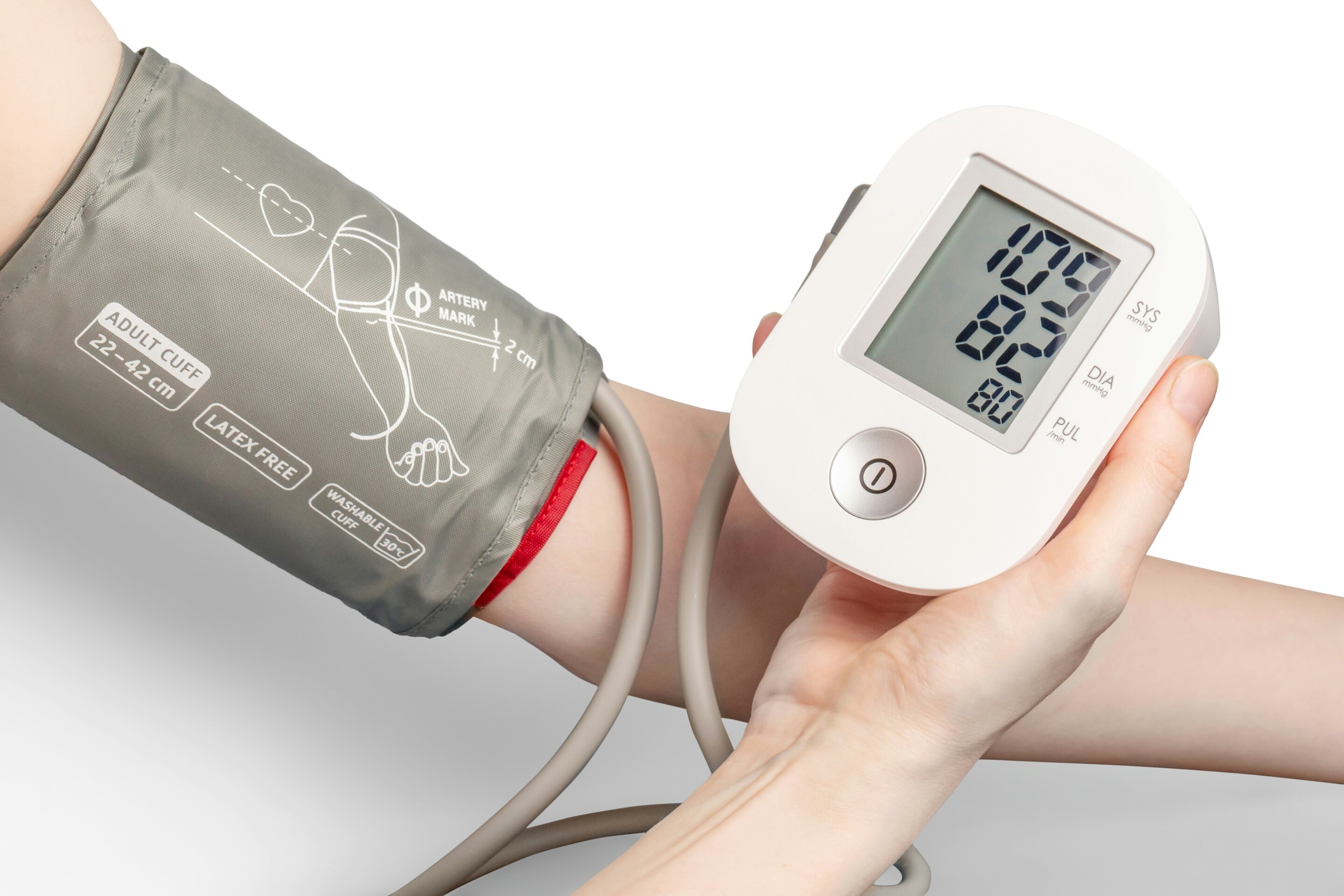
Three of four leading artificial intelligence (AI) search tools accurately identified home blood pressure monitors that met validated clinical standards only 63–83% of the time, according to preliminary research being presented at the American Heart Association's Hypertension Scientific Sessions 2026, held in Arlington, Virginia, Oct. 7–11.
High blood pressure is the No. 1 risk factor for cardiovascular disease, affecting more than 125 million adults in the U.S.—about 47%—according to the American Heart Association's 2026 Heart Disease and Stroke Statistics Update.
Only about 1 in 4 of those adults have their blood pressure within the target range of less than 120 mm Hg/80 mm Hg.
The 2025 American Heart Association Guideline for the Prevention, Detection, Evaluation, and Management of High Blood Pressure in Adults recommends that people use a home blood pressure monitoring device that has been validated for accuracy. People can talk with their clinician and visit a website for more information.
Now that AI-powered search tools are integrated into all online platforms, people are increasingly asking AI tools for quick answers to health questions, including whether home health devices such as blood pressure monitors have been validated and meet clinical standards.
A home blood pressure monitor is considered validated when independent, third-party testing has proven it gives consistently accurate blood pressure readings, and there are three primary registries that list these devices.
Source link





